

Facility managers rarely think about their HVAC system until it stops working. Then it becomes the only thing anyone thinks about. A rooftop unit going down on the hottest week of the year, or a boiler failing the first cold snap of winter, has a way of turning a routine Tuesday into a crisis, complete with unhappy tenants, halted production lines, or spoiled inventory.
The equipment doesn’t fail without warning, though. In almost every case, a breakdown is the end result of small problems that went unaddressed for months: a clogged filter that made a compressor work harder than it should have, a loose electrical connection that slowly degraded, a refrigerant leak nobody caught during a routine walkthrough. Commercial HVAC preventive maintenance exists to catch exactly those problems before they turn into five-figure repair bills or full system replacements.
This guide walks through what commercial HVAC preventative maintenance actually involves, breaks down a full HVAC preventive maintenance checklist by frequency and season, covers what preventative maintenance for HVAC systems typically costs, and explains how facilities teams keep the whole program running without it becoming a full-time job in itself.
Why Commercial HVAC Preventive Maintenance Is Different From Residential
It’s tempting to think of commercial HVAC preventive maintenance as “the same thing homeowners do, just bigger.” That undersells how different the equipment and the stakes actually are.
A home air conditioner might have a handful of major components. A commercial system serving an office tower, hospital, school, or distribution center is a network of dozens to hundreds of interconnected parts: multiple air handlers, banks of compressors, extensive ductwork, building automation controls tied into thermostats and dampers, and in larger buildings, chillers and cooling towers running on their own maintenance cycle entirely. When one part of that network degrades, the effects ripple outward in ways a single-family home never experiences, uneven temperatures across floors, a spike in the whole building’s energy bill, or a health and safety issue if ventilation in a lab or clean room drops out of spec.
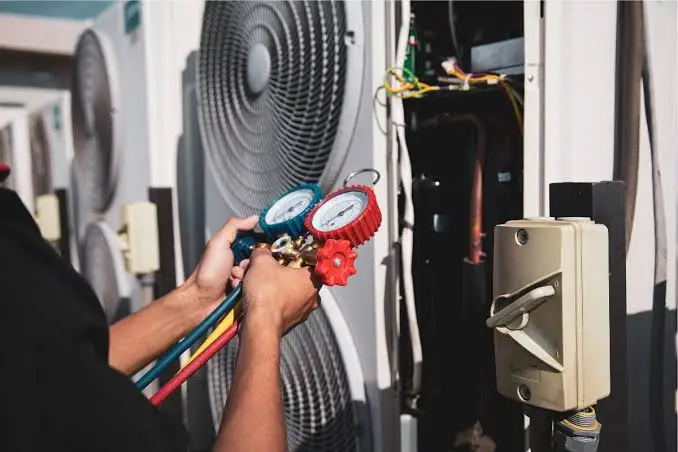
The consequences of skipping maintenance also scale differently. A homeowner without air conditioning for a week is uncomfortable. A manufacturing plant without climate control might have to halt a production line because ambient temperature affects product quality. A restaurant or food processing facility risks spoiled inventory. A data center risks equipment failure from overheating. A hospital risks failing a compliance inspection. Commercial HVAC preventative maintenance isn’t just about comfort, it’s risk management for the business itself.
What Counts as Preventative Maintenance for HVAC Systems
Preventative maintenance for HVAC systems is any inspection, cleaning, adjustment, or minor repair performed on a defined schedule, before something breaks, rather than after. It sits in contrast to reactive maintenance, where a unit only gets attention once it has already failed, and to corrective maintenance, where a known but not yet critical issue gets scheduled for repair.
A typical preventive visit from a qualified technician will usually include some combination of the following, depending on the type of equipment and the season:
- Replacing or cleaning air filters
- Cleaning condenser and evaporator coils
- Testing and recalibrating thermostats and building automation setpoints
- Checking refrigerant charge and inspecting for leaks
- Inspecting and tightening electrical connections
- Testing safety controls, switches, and interlocks
- Lubricating belts, bearings, motors, and other moving parts
- Measuring airflow and static pressure across the system
- Inspecting the heat exchanger for cracks, corrosion, or soot buildup
- Clearing condensate drain lines and checking drain pans
- Verifying gas pressure and checking connections on gas-fired equipment
- Inspecting ductwork for leaks, damage, or obstruction
None of these tasks are complicated in isolation. What makes commercial HVAC preventive maintenance difficult is doing all of them, on the right equipment, on the right schedule, across an entire building or portfolio, without anything slipping through the cracks. That’s the operational challenge this guide is really about.
How Different Commercial HVAC System Types Change the Maintenance Approach
Not every commercial HVAC preventative maintenance checklist looks the same, because not every building runs the same kind of equipment. The maintenance approach should follow the system type.
Rooftop package units. These self-contained units, common on retail buildings, schools, and warehouses, combine heating and cooling in a single outdoor cabinet. Because they sit exposed to the elements, they need more frequent attention to condenser coils, drain pans, and weatherproofing. A quarterly inspection cadence for coils, filters, and refrigerant levels is standard.
Split systems. Common in smaller commercial spaces, split systems separate the indoor air handler from the outdoor condensing unit, connected by refrigerant lines. Maintenance has to cover both ends independently: indoor coil and filter service, and outdoor unit cleaning and refrigerant line inspection. Because the two halves are physically separated, a leak or connection issue in the line set is easy to miss without a dedicated inspection point on the checklist.
Variable refrigerant flow (VRF) systems. VRF systems can heat one zone and cool another simultaneously using a shared refrigerant loop, which makes them efficient but also more complex to service. These systems generally require a specialized technician familiar with the manufacturer’s controls, and maintenance leans heavily on electrical diagnostics, refrigerant monitoring, and verifying that the control system is correctly balancing zones.
Chiller systems. Found in larger commercial and institutional buildings, chillers add an entirely separate maintenance track: water treatment, tube cleaning, and cooling tower upkeep. Neglecting a cooling tower doesn’t just hurt efficiency, it can create conditions for scale buildup and biological growth, which is why chiller-specific preventive maintenance tends to run on its own, more rigorous schedule than the rest of the building’s HVAC equipment.
Understanding which category your equipment falls into matters because it determines how granular your HVAC preventive maintenance checklist needs to be, and which tasks require a specialized vendor versus an in-house technician.
The Full HVAC Preventive Maintenance Checklist
Below is a complete HVAC preventative maintenance checklist broken down by how often each task should happen. Exact frequency should still be adjusted based on equipment age, usage intensity, and manufacturer recommendations, but this is a reliable baseline for most commercial facilities.
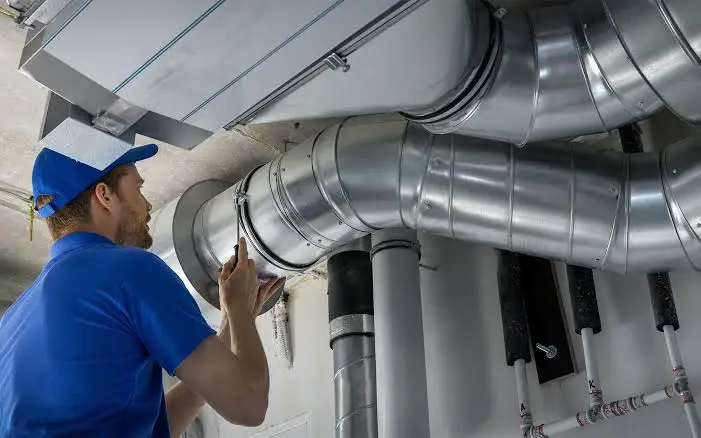
Daily tasks
- Walk the mechanical room and note any unusual sounds, vibration, or smells
- Confirm temperature and airflow are consistent across occupied zones
- Check that vents, returns, and grilles aren’t blocked by furniture, stock, or equipment
Weekly tasks
- Visually inspect filters for visible debris or damage
- Check outdoor units for leaves, debris, or obstructions around the intake and exhaust
- Confirm drain pans are draining properly and not showing signs of standing water
- Verify access panels and covers are secured
Monthly tasks
- Replace or clean air filters based on usage and environment (high-traffic or dusty environments may need more frequent changes than the standard 30 to 90 day interval)
- Inspect belts and pulleys for wear, cracking, or slippage
- Clean condensate drain lines and pans
- Test electrical connections and tighten any that have loosened
- Check refrigerant levels for signs of a slow leak
Quarterly tasks
- Perform a full inspection of both heating and cooling components
- Clean condenser and evaporator coils thoroughly
- Test all safety controls and interlocks
- Inspect the heat exchanger and flue system for cracks, corrosion, or blockage
- Check and calibrate thermostats and building automation setpoints
Annual tasks
- Conduct a full system performance evaluation against manufacturer specifications
- Deep clean all major components, not just the visible ones
- Test heating operation ahead of the cold season and cooling operation ahead of the warm season
- Have ductwork professionally cleaned and inspected for leaks
- Perform a comprehensive gas pressure and electrical safety check
- Run a full refrigerant charge and leak-detection test
This tiered structure is the backbone of most commercial HVAC preventive maintenance checklist templates, but the underlying principle is more important than the exact interval: cheap, frequent checks (daily and weekly) catch obvious problems early, while deeper, less frequent checks (quarterly and annual) catch the slow-developing issues that only show up under close inspection.
Seasonal HVAC Preventive Maintenance
On top of the recurring schedule above, commercial HVAC systems face seasonal stress that deserves its own dedicated preparation.
Spring, ahead of cooling season. This is the point to properly shut down heating equipment for the season, clean condenser and evaporator coils that collected dust over winter, check refrigerant levels, and clear any debris that accumulated around outdoor units. It’s also worth confirming that economizers and fresh air intakes are functioning correctly before cooling demand ramps up.
Summer, during peak cooling. The system is under its heaviest load. This is the season to monitor performance closely, watch temperature differentials across zones, and keep filters on a tighter replacement schedule than the rest of the year, since higher airflow demand pulls more debris through the system.
Fall, ahead of heating season. Before switching over to heat, technicians should test heat exchangers, burners, and ignition systems, clean blower motors and fan blades, verify gas pressure and connections, and inspect flue systems and venting for blockage. A cracked heat exchanger is a safety issue, not just an efficiency one, which is why this inspection carries more weight than a routine coil cleaning.
Winter, during heating season. Focus shifts to protecting exposed components from freeze damage, checking heat pump operation if the building relies on one, and ensuring condensate lines are draining properly rather than freezing and backing up.
Skipping a seasonal transition check is one of the more common gaps in an otherwise solid preventive maintenance program, largely because it’s easy to assume the recurring monthly and quarterly tasks already cover it. They don’t. Seasonal prep addresses failure modes, like a cracked heat exchanger discovered only when the system switches modes, that a general inspection can miss entirely.
What HVAC Preventative Maintenance Cost Actually Looks Like
HVAC preventative maintenance cost is one of the first questions facility managers ask, and the honest answer is: it depends heavily on system size, number of units, service frequency, and region. That said, most commercial facilities land somewhere between $500 and $2,500 or more per unit annually. A single-tenant retail building with one rooftop unit sits at the low end. A multi-building campus with chillers, VRF zoning, and dozens of air handlers sits well above it.
A few factors push that number up or down:
- Climate. Facilities that run cooling or heating near-constantly put more wear on equipment and need more frequent servicing than buildings in milder climates.
- System age. Older equipment generally requires more hands-on maintenance to keep running reliably, and parts availability can add cost as systems approach the end of their expected lifespan.
- Number and type of units. A building with a mix of rooftop units, split systems, and a chiller plant needs technicians qualified across several equipment types, which usually costs more than a single, uniform system.
- In-house vs. contracted service. Facilities with an in-house maintenance team may absorb some preventive tasks internally and only contract out specialized work like refrigerant handling or chiller servicing, which changes the cost structure compared to a fully outsourced service contract.
The number that matters more than the sticker price, though, is the comparison against the cost of not doing it. A single emergency compressor replacement can run into the tens of thousands of dollars, before accounting for the downtime, lost production, or spoiled product that came with the failure. Preventive maintenance HVAC programs are, in effect, a form of insurance: a predictable, budgeted cost that keeps the far larger, unpredictable cost off the table.
Preventive vs. Reactive HVAC Maintenance
The difference between preventive and reactive maintenance isn’t just philosophical, it shows up directly in the maintenance budget and in operational risk.
Preventive maintenance is scheduled. Technicians are booked in advance, parts can be ordered ahead of time if an inspection flags early wear, and the work happens on the facility’s timeline rather than the equipment’s.
Reactive maintenance is unscheduled by definition. A unit fails, and the facility scrambles to get a technician on-site, often at an emergency rate. If a specific part is needed and it’s not something the vendor stocks locally, the facility could be without heating or cooling for days or weeks while it’s sourced. In the meantime, occupants are uncomfortable, operations may be disrupted, and in regulated environments, the facility could be out of compliance until the system is restored.
The math almost always favors prevention. A well-maintained system extends its own lifespan by years, avoids emergency service premiums, and gives facilities managers predictable costs to budget around instead of unplanned line items that show up mid-year.
Choosing the Right Maintenance Plan
Not every building needs the same intensity of preventive maintenance program. A few common approaches:
Basic plans cover filter changes, seasonal tune-ups, and light inspections. These fit newer systems in lower-usage buildings where the equipment isn’t under constant strain.
Comprehensive plans add full diagnostics, deep coil and duct cleaning, detailed refrigerant checks, and formal reporting after every visit. These make more sense for high-usage commercial buildings, older equipment, or facilities where downtime has a direct financial cost.
Customized plans combine the essential recurring tasks with facility-specific add-ons, indoor air quality testing for a healthcare setting, or energy efficiency optimization for a facility trying to hit sustainability targets.
The right plan is less about picking a tier and more about matching the maintenance intensity to how much the equipment is relied on, and how expensive downtime would be if it failed.
Common Mistakes That Undermine an HVAC Preventive Maintenance Program
Even facilities with a documented preventive maintenance HVAC schedule run into the same handful of problems:
- Treating the checklist as a formality. A technician who rushes through a monthly inspection to hit a quota isn’t really performing preventive maintenance, they’re closing a work order. The value of the program lives in the quality of each task, not just whether it got marked complete.
- Letting seasonal tasks fall through the cracks. As noted above, seasonal transition checks catch different failure modes than the recurring schedule and are easy to overlook if they aren’t explicitly built into the plan.
- No documentation. Without a record of what was serviced and when, it’s nearly impossible to spot patterns, like a specific unit that needs refrigerant added every few months, which usually signals a slow leak that a one-off inspection would miss.
- Ignoring smaller or less visible equipment. It’s easy to prioritize the units serving high-traffic areas and let smaller or out-of-the-way equipment slide, even though a failure there can be just as disruptive.
- No clear ownership. When preventive maintenance is “everyone’s job,” it tends to become no one’s job. A program needs a clear owner responsible for confirming tasks were actually completed, not just scheduled.
Managing HVAC Preventive Maintenance with a CMMS
Paper checklists and spreadsheets can work for a single building with a handful of units. They break down fast once a facility scales to multiple buildings, dozens of assets, or a mix of in-house technicians and outside vendors.
A computerized maintenance management system (CMMS) solves this by turning the entire HVAC preventive maintenance checklist into a structured, trackable workflow. Checklist templates get attached to recurring work orders so nothing has to be recreated from scratch each cycle. Technicians complete tasks from a phone or tablet in the field, and each completed task is logged against that specific asset’s service history, not buried in a filing cabinet or a shared drive.
That service history is where the real value shows up over time. A facilities team can look back and see exactly when a unit’s refrigerant was last topped off, how often a specific filter has needed replacing, or whether a piece of equipment has a pattern of recurring issues that points to something more serious than routine wear. That kind of visibility is very difficult to maintain with paper records, and it’s the difference between a preventive maintenance program that exists on paper and one that’s actually driving better equipment reliability.
Frequently Asked Questions
How often should commercial HVAC preventive maintenance be performed? Most commercial systems benefit from daily visual checks, weekly and monthly inspection of key components like filters and drain lines, and quarterly deep inspections by a qualified technician. At a minimum, most manufacturers require two professional visits per year, one ahead of cooling season and one ahead of heating season, to keep warranties valid.
What’s the difference between preventative maintenance and a full HVAC inspection? Preventive maintenance is ongoing and interval-based, covering daily, monthly, and seasonal tasks. A full inspection is typically a single, comprehensive evaluation, often performed annually, that assesses the entire system’s condition and performance against manufacturer specifications.
Does HVAC preventative maintenance cost really pay for itself? In most cases, yes. Annual maintenance spend, even on the higher end of the typical range, is usually a fraction of what a single emergency repair or early system replacement would cost, and it protects manufacturer warranties that often require documented service.
Can smaller facilities skip a formal preventive maintenance program? Even a single-unit facility benefits from a basic schedule of filter changes, seasonal tune-ups, and an annual inspection. The scale of the program should match the size of the facility, but skipping preventive maintenance entirely almost always costs more in the long run than a lightweight, consistently followed schedule would.
Managing Commercial HVAC Maintenance with FacilityBot
Running a commercial HVAC preventive maintenance program well means juggling dozens of recurring tasks, seasonal transitions, and service records across every unit in a building or portfolio, which is exactly the kind of work that outgrows a spreadsheet fast. FacilityBot is a cloud based CMMS software platform built to keep that entire process organized in one place. As preventive maintenance software, FacilityBot lets facilities teams build reusable HVAC checklist templates, automatically generate work orders on daily, monthly, quarterly, and seasonal schedules, and give technicians mobile access to complete tasks and log service history against each specific asset. Paired with FacilityBot’s broader facilities management software suite, teams get full visibility into overdue tasks, recurring issues, and asset-level maintenance history, so HVAC systems get the consistent care that actually extends their lifespan instead of running on a reactive, break-fix cycle.
