
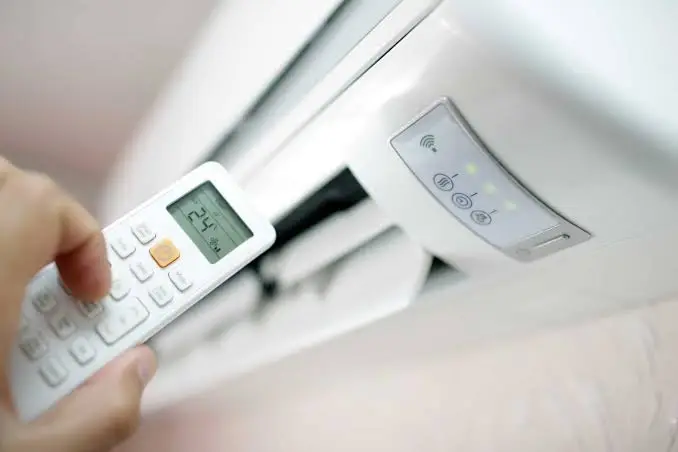
A blinking two-character code on a wall-mounted controller rarely tells the whole story. To the technician standing in front of it, “E7” or “L5” is a starting point, not an answer. Behind every one of these HVAC controller fault codes sits a specific fault condition, a probable cause, and a decision: reset it, monitor it, or escalate it to a licensed technician before it turns into a compressor replacement.
For building engineers and facilities teams managing mixed HVAC fleets, this is where things get complicated. HVAC error codes are not standardized across manufacturers, and even within one brand, a rooftop unit and a VRF system may use entirely different numbering logic. This guide walks through how controller fault codes are structured, what the most common categories mean, how they differ across major commercial brands, and how facilities teams can turn a wall of blinking codes into a manageable, trackable maintenance workflow.
Why HVAC Controller Fault Codes Exist
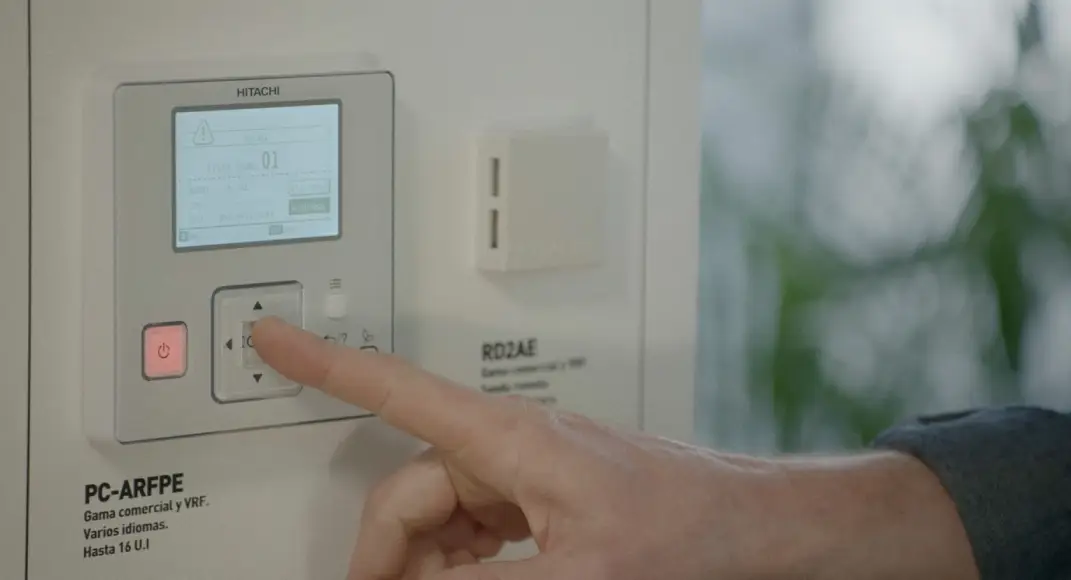
Every HVAC controller, whether it’s a simple wired thermostat or a full building automation system (BAS) interface, is constantly comparing live sensor readings, current draw, and pressure data against expected operating ranges. When something falls outside that range, the controller doesn’t just shut the unit down silently. It logs a fault code that points to the subsystem responsible: a sensor, a compressor, a communication line, or a protection circuit.
This matters for three practical reasons:
- Faster diagnosis. A code narrows the search from “the AC isn’t working” to “the outdoor temperature sensor is reading incorrectly,” cutting inspection time significantly.
- Damage prevention. Many codes represent the system protecting itself. A high discharge temperature or low-pressure fault will often shut a compressor down automatically rather than let it run in a damaging condition.
- Maintenance history. Recurring codes on the same asset are an early warning sign of a developing problem, long before it causes a full breakdown.
The challenge is that reading a code correctly requires knowing what family it belongs to and which brand’s numbering convention is in play.
How HVAC Error Codes Are Typically Structured
Most commercial systems group their fault codes into a handful of recurring categories, even though the exact characters used vary by manufacturer. Understanding these categories makes it much easier to interpret an unfamiliar code on sight.
Communication faults
These indicate that the indoor unit, outdoor unit, and controller aren’t exchanging data correctly. They’re usually caused by loose wiring, damaged connectors, incorrect unit addressing, or interference on the communication line. Codes in this family are frequently the first thing to check because a communication fault can sometimes mask what’s really going on with the unit underneath it.
Sensor faults
Temperature and pressure sensors monitor conditions at the indoor coil, outdoor coil, discharge line, and suction line. A sensor fault code means one of these readings has gone out of range, either because the sensor itself has failed, its wiring is damaged, or it has been affected by dirt, moisture, or physical damage. These are often, though not always, resolvable in-house.
Pressure and protection faults
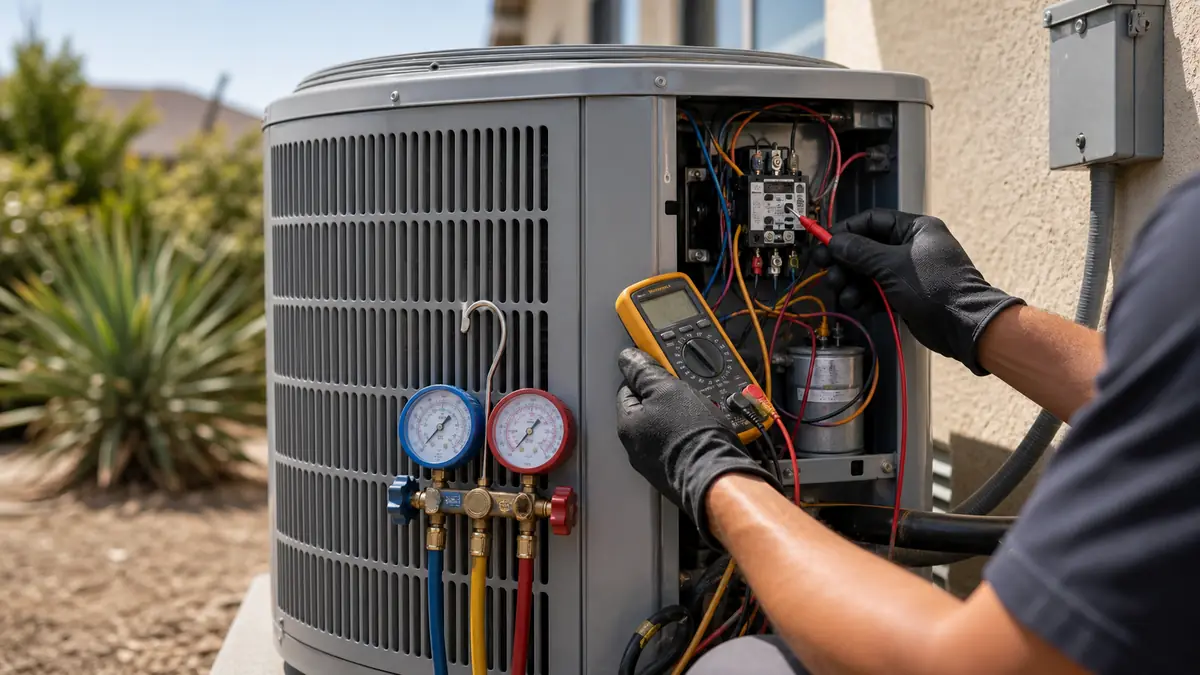
High-pressure and low-pressure protection codes exist to stop a compressor from running under conditions that would damage it. Low pressure often traces back to a refrigerant leak or a restricted filter; high pressure is commonly linked to a dirty condenser coil, blocked airflow, or a fan issue. Because refrigerant work requires EPA-certified handling, most codes in this category need a licensed technician.
Compressor and inverter faults
Modern VRF and inverter-driven systems add another layer of codes specific to the compressor drive itself: DC bus voltage errors, inverter module protection, frequency mismatch between target and actual compressor speed, and module overheating. These codes point to problems in the compressor’s electronic drive rather than the compressor motor alone, and they almost always require a technician with inverter diagnostic experience.
Control board and module faults
When the printed circuit board (PCB), EEPROM, or a communication module between the main board and compressor drive fails, the controller will usually flag a distinct board-level code. These are rarely something an in-house team can resolve without board replacement.
Common Fault Codes by Category
The table below groups typical fault types you’ll encounter across commercial split, VRF, and rooftop systems, along with what they generally mean and who should handle them.
| Fault Category | Typical Cause | Who Should Handle It |
|---|---|---|
| Indoor/outdoor communication error | Loose wiring, damaged connector, incorrect unit address | In-house reset first; escalate if it returns |
| Temperature sensor fault (indoor, outdoor, discharge) | Faulty sensor, wiring damage, dirt or moisture ingress | In-house inspection; replace sensor if needed |
| Low pressure protection | Refrigerant leak, blocked filter, faulty pressure sensor | Licensed technician (EPA refrigerant handling) |
| High pressure / high discharge temperature | Dirty condenser coil, blocked airflow, fan fault | In-house coil cleaning first; technician if unresolved |
| Compressor overcurrent or lockout | Electrical fault, blocked refrigerant flow, mechanical failure | Licensed technician |
| Inverter module or DC bus voltage error | Compressor drive electronics fault | Licensed technician |
| EEPROM or control board failure | Memory or PCB failure | Licensed technician (board replacement) |
| Outdoor unit count mismatch | Configuration or wiring error on multi-unit systems | Licensed technician |
HVAC Controller Fault Codes by Brand
Because HVAC error codes aren’t standardized, the same two characters can mean different things depending on the manufacturer. Here’s a quick reference for how five major commercial brands structure their codes.
Trane systems, particularly Voyager rooftop units and Tracer-integrated controllers, use short alphanumeric codes. Airflow and sensor-related codes (low airflow, return air sensor faults, humidity alerts) are typically safe for in-house teams to investigate first. Compressor lockouts, low suction pressure, and control board failures should go straight to a licensed technician.
Daikin VRV and VRF systems display two-character codes like U4, C4, or L5 on wired controllers or through Intelligent Touch Manager software. Communication resets and thermistor cleaning are reasonable in-house first steps, but lost communication between indoor and outdoor units, compressor lockouts, and locked fan motors call for professional diagnosis.
Mitsubishi Electric City Multi and Mr. Slim systems use codes such as E6, P8, or U0 on PAR/PAC wired controllers. Communication faults and outdoor sensor errors can often be power-cycled and monitored, while low refrigerant charge, EEPROM failures, and compressor temperature faults require certified service.
LG Multi V systems use “CH” prefixed codes (CH01, CH38, CH67, and similar) visible on AC Smart controllers. Sensor and communication-related CH codes are generally manageable in-house; low refrigerant detection and inverter compressor faults are not.
Fujitsu Airstage systems favor two-digit numeric codes shown through UTY controllers or a diagnostic tool. Thermistor and outdoor sensor codes are usually a filter-clean-and-reset situation, while outdoor fan motor failure, high-pressure protection, and compressor overcurrent codes need a technician.
Inverter and VRF System Codes: A Closer Look
Larger VRF installations generate a broader, more technical set of fault codes tied to the compressor drive, module protection, and multi-unit communication. These typically fall into a few recognizable letter groups:
- E-series codes (e.g., phase sequence error, communication error between indoor and master unit, temperature sensor error, outdoor unit address error) generally point to wiring, sensor, or addressing issues that a facilities team can start investigating before calling for backup.
- F-series and H-series codes cover temperature sensor faults, expansion valve connection errors, and more serious conditions like inverter module protection or a mismatch in the number of connected indoor/outdoor units. Several of these are diagnostic in nature but resolve into technician-level repairs.
- P-series codes are almost always protection triggers: high or low pressure protection, compressor current protection, discharge temperature protection, or fan module protection. These exist specifically to shut the system down before damage occurs and should be treated as a signal to stop and investigate rather than simply reset.
- L-series codes are compressor and drive-specific: DC bus voltage protection, zero speed protection, phase sequence protection, and frequency deviation between target and actual compressor speed. These sit squarely in licensed-technician territory, since they concern the compressor’s electronic drive system.
The pattern across all of these families is consistent: sensor and communication codes are the ones worth a first look in-house, while anything involving pressure protection, compressor drive electronics, or control board memory should go to a certified technician before the unit is restarted repeatedly.
Turning Fault Codes Into a Manageable Workflow
Knowing what a code means is only half the problem. The bigger operational challenge for facilities teams managing dozens or hundreds of HVAC assets is making sure a fault code actually turns into a logged, assigned, and resolved task, instead of a note on a whiteboard that gets forgotten by the next shift.
A few practices make this much more manageable:
- Log every code, not just the ones that shut a unit down. Recurring minor codes on the same asset are often the earliest indicator of a bigger failure coming.
- Tag codes to the specific asset and unit, not just the building. On multi-unit VRF systems in particular, knowing which indoor or outdoor unit threw the fault saves significant diagnostic time.
- Route codes by severity automatically. Sensor and communication faults can go to an in-house team’s queue, while pressure, compressor, or board-level codes should route straight to a licensed vendor.
- Track resolution time and recurrence. If the same fault code keeps reappearing on the same rooftop unit, that’s a maintenance pattern worth investigating rather than resetting again.
Frequently Asked Questions
Are HVAC controller fault codes standardized across manufacturers? No. While many brands use similar categories, such as communication, sensor, and pressure faults, the specific characters and numbering are brand- and often model-specific. Always confirm against the manufacturer’s service documentation.
Can facilities staff safely reset a fault code themselves? Often, yes, for communication and sensor-related faults, especially as a first troubleshooting step. Codes tied to refrigerant pressure, compressor drive electronics, or control board memory generally require a licensed technician, both for safety and because EPA regulations govern refrigerant handling.
Why does the same fault code keep coming back after a reset? A recurring code means the underlying condition hasn’t actually been fixed, only cleared. Repeated resets without addressing the root cause can allow a compressor or component to keep operating in a damaging condition.
What’s the fastest way to know if a code needs a technician? As a general rule, sensor and communication faults are worth an in-house look first. Anything involving pressure protection, compressor overcurrent, inverter modules, or control board failure should be treated as a technician-level issue from the start.
Managing Fault Codes Across a Facility With FacilityBot
Reading a single fault code is straightforward once you know the category it belongs to. Managing HVAC controller fault codes across an entire portfolio of buildings, each with a different brand, controller type, and technician on call, is a different problem entirely. This is where a structured system matters more than a laminated code chart taped to a wall.
FacilityBot is a cloud-based facilities management system in Singapore built to close the gap between a fault appearing on an HVAC controller and a technician actually resolving it. As cmms software, it lets facilities teams log every fault code against the specific asset it came from, automatically route it based on severity, and keep a complete maintenance history so recurring codes get flagged before they become breakdowns. Its preventive maintenance software capabilities schedule the filter cleaning, coil checks, and sensor inspections that prevent many of these common codes from appearing in the first place, while its fault reporting software gives building occupants and in-house staff a simple way to report an issue the moment they notice it, with the fault tracked from report through to resolution. For teams juggling multiple HVAC brands across multiple sites, that kind of centralized visibility is what turns fault codes from a daily fire drill into a predictable, trackable part of building operations.
