

Change is inevitable in today’s fast-evolving procurement landscape. Yet, without a proper strategy, change can lead to confusion, resistance, and costly failure. This is why change management in procurement is no longer a luxury—it’s a necessity. Procurement change management involves more than just implementing new systems or switching suppliers. It requires a structured and empathetic
Category Archives: Procurement Management
Facilities Management, Procurement Management
What is Contract Management in Procurement in Facilities Management?
Contract management in procurement plays a vital role in ensuring operational efficiency and compliance in facilities management. In a sector where the procurement of services, assets, and maintenance agreements is a constant, effective contract management helps organizations control costs, reduce risks, and maintain high service standards. Understanding Contract Management in Procurement Contract management refers to
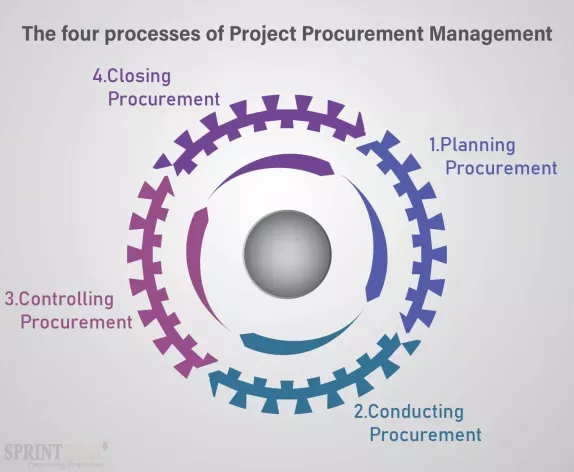
Project procurement management is a crucial component of project management that ensures goods and services are sourced efficiently, cost-effectively, and in alignment with project goals. Whether you’re managing construction, facilities, or IT infrastructure, understanding the four main processes of project procurement management helps ensure your project’s success. These processes—Plan Procurement Management, Conduct Procurements, Control Procurements,
Facilities Management, Procurement Management
Facilities Management Procurement: Strategic Insights for 2025 and Beyond

Procurement in facilities management has evolved from a back-office function into a strategic driver of value, resilience, and sustainability. As organizations navigate complex supply chains, economic uncertainty, and increasing environmental, social, and governance (ESG) expectations, Facilities Management Procurement (FMP) stands at the forefront of transformation. This blog draws on findings from CBRE’s 2022 Facilities Management
Facilities Management, Procurement Management
Supply Management Procurement: Key Insights and Its Role in FM

In today’s fast-paced business environment, procurement and supply management are critical components for operational success. While the terms may seem similar, they represent different but closely related processes that play crucial roles in achieving business goals, especially in facilities management. Supply management procurement focuses on acquiring the necessary goods and services, ensuring that the entire
Facilities Management, Procurement Management
Procurement Risk Management: Strategies to Minimize Risks
In an increasingly globalized economy, procurement risk management is more critical than ever for facilities management. Facilities rely on interconnected supply chains and third-party vendors to source essential services, equipment, and materials needed for operations. Without a robust procurement risk management strategy, facilities are vulnerable to various threats—from supply chain disruptions to compliance failures, safety

In today’s competitive business environment, smart procurement isn’t just about buying at the lowest price — it’s about buying ethically, efficiently, and strategically. That’s where the principles of procurement come into play. These guiding values are essential for ensuring fairness, transparency, and value for money in every purchasing decision. Whether you’re managing supply chains, sourcing

Facilities Management (FM) Procurement plays a crucial role in ensuring that organizations secure the services needed to manage and maintain their buildings, equipment, and operational environments. Whether it’s ensuring functionality, enhancing sustainability, or boosting safety, FM procurement focuses on sourcing the best solutions to support an organization’s day-to-day activities. In this guide, we’ll walk you

A Facilities Procurement Officer plays a pivotal role in supporting the seamless functioning of an organization’s administrative, procurement, and facilities operations. By managing purchasing processes, providing operational support, and ensuring facilities are maintained efficiently, this professional ensures that organizations can focus on achieving their strategic goals without disruption. But what exactly does the role involve?

Procurement is one of the most crucial functions in any organization, directly impacting operational efficiency, cost savings, and long-term growth. At the heart of this function stands the Procurement Manager — the professional responsible for overseeing and optimizing the purchasing processes that support an organization’s strategic goals. But what exactly is the role of a