Modern facilities rely heavily on digital platforms to manage assets, maintenance, space planning, vendor coordination, and workforce efficiency. Enterprise Asset Management (EAM) systems and Integrated Workplace Management Systems (IWMS) have become the backbone of operational infrastructure. However, as these systems collect sensitive operational data and integrate with IoT sensors, BMS systems, and cloud platforms, cybersecurity risks are rapidly escalating.
This is why EAM cybersecurity and IWMS data security are no longer optional—they’re strategic necessities for protecting critical facilities across industries such as healthcare, manufacturing, energy, transportation, commercial real estate, and government.
Why Cybersecurity Matters for EAM and IWMS Platforms
EAM and IWMS platforms manage vast operational datasets, such as:
✔ Asset performance data
✔ Space utilization data
✔ Energy consumption metrics
✔ Vendor and contractor records
✔ Maintenance schedules
✔ Facility access logs
✔ IoT sensor information
✔ Building automation controls
A breach involving these systems could result in:
- Downtime and operational shutdowns
- Manipulation of critical infrastructure
- Safety hazards for occupants
- Exposure of proprietary business data
- Millions in remediation costs
- Regulatory non-compliance penalties
- Reputational damage
As facilities become more connected, cyberattack surfaces increase — making the defense of operational technology (OT) just as important as IT.
Key Cyber Threats Targeting EAM & IWMS Systems
The top attack vectors affecting facility management platforms include:
1. Ransomware Attacks
Attackers encrypt system data and demand payment for restoration. Critical facilities such as hospitals and airports have faced shutdowns due to ransomware preventing access to asset and maintenance systems.
2. IoT Device Vulnerabilities
EAM and IWMS platforms often integrate with:
- HVAC controls
- Elevators
- Lighting automation
- Security systems
- Energy meters
- Occupancy sensors
Unsecured IoT endpoints serve as easy entry points for attackers.
3. Data Interception & Man-in-the-Middle Attacks
Poor encryption during data transfer can expose facility telemetry and internal communications.
4. Credential & Account Hijacking
Cyber attackers often exploit weak passwords, shared accounts, and unsecured remote access to takeover systems.
5. Supply Chain Exploits
Third-party vendors, contractors, and software providers can unintentionally introduce vulnerabilities into EAM/IWMS ecosystems.
Cybersecurity Components Required for EAM and IWMS Protection
To build resilient platforms, cybersecurity controls must align with modern threat models. Effective EAM cybersecurity and IWMS data security strategies include:
1. Zero-Trust Access Management
Systems must not implicitly trust users or devices. Zero-trust policies enforce continuous validation.

Key capabilities include:
- Role-based access control (RBAC)
- Multi-factor authentication (MFA)
- Passwordless access options
- Just-in-time access provisioning
2. End-to-End Data Encryption
Encryption must be applied:
✔ In transit
✔ At rest
✔ Across integrations
This prevents unauthorized interception of operational or tenant data.
3. Secure APIs & Integration Controls
Modern IWMS/EAM platforms connect to:
- IoT sensors
- CMMS systems
- BMS platforms
- Cloud infrastructure
- ERP systems
- CAFM tools
Secure API gateways ensure integrations do not introduce vulnerabilities.
4. Vulnerability Monitoring & Patch Management
Unpatched systems are among the most common attack entry points. Automated monitoring ensures continuous compliance.
5. Network Segmentation for OT Systems
Separating building infrastructure from IT networks prevents attacks from spreading laterally across the organization.
6. Audit Logging & Threat Detection
System logs help organizations detect:
- Abnormal access attempts
- Policy violations
- Malware propagation
- Data exfiltration attempts
Compliance & Regulatory Considerations
Industries such as healthcare, aviation, energy, and government are subject to strict cybersecurity frameworks. Depending on facility type, EAM/IWMS platforms may need to comply with:
- ISO/IEC 27001
- NIST Cybersecurity Framework
- GDPR
- SOC 2
- HIPAA (US healthcare)
- ISA/IEC 62443 (industrial OT security)
- Cybersecurity Maturity Model Certification (CMMC)
Failure to comply can trigger fines, audit failures, or operational shutdowns.
Cloud vs On-Premises Cybersecurity Advantages
The shift to cloud-based EAM/IWMS systems has raised cybersecurity questions, but modern cloud environments typically offer:
✔ automatic security updates
✔ encrypted storage
✔ better scalability
✔ redundancy & disaster recovery
While on-premises systems give more physical control over data, they require costly security maintenance.
The Role of AI in EAM & IWMS Cybersecurity
Artificial intelligence enhances cybersecurity by:
- Detecting abnormal user behavior
- Identifying intrusion attempts
- Automating risk analysis
- Predicting system vulnerabilities
- Correlating IoT device anomalies
As more IoT data flows through facilities, AI-driven threat intelligence becomes essential.
How FacilityBot Supports Secure Facility Operations
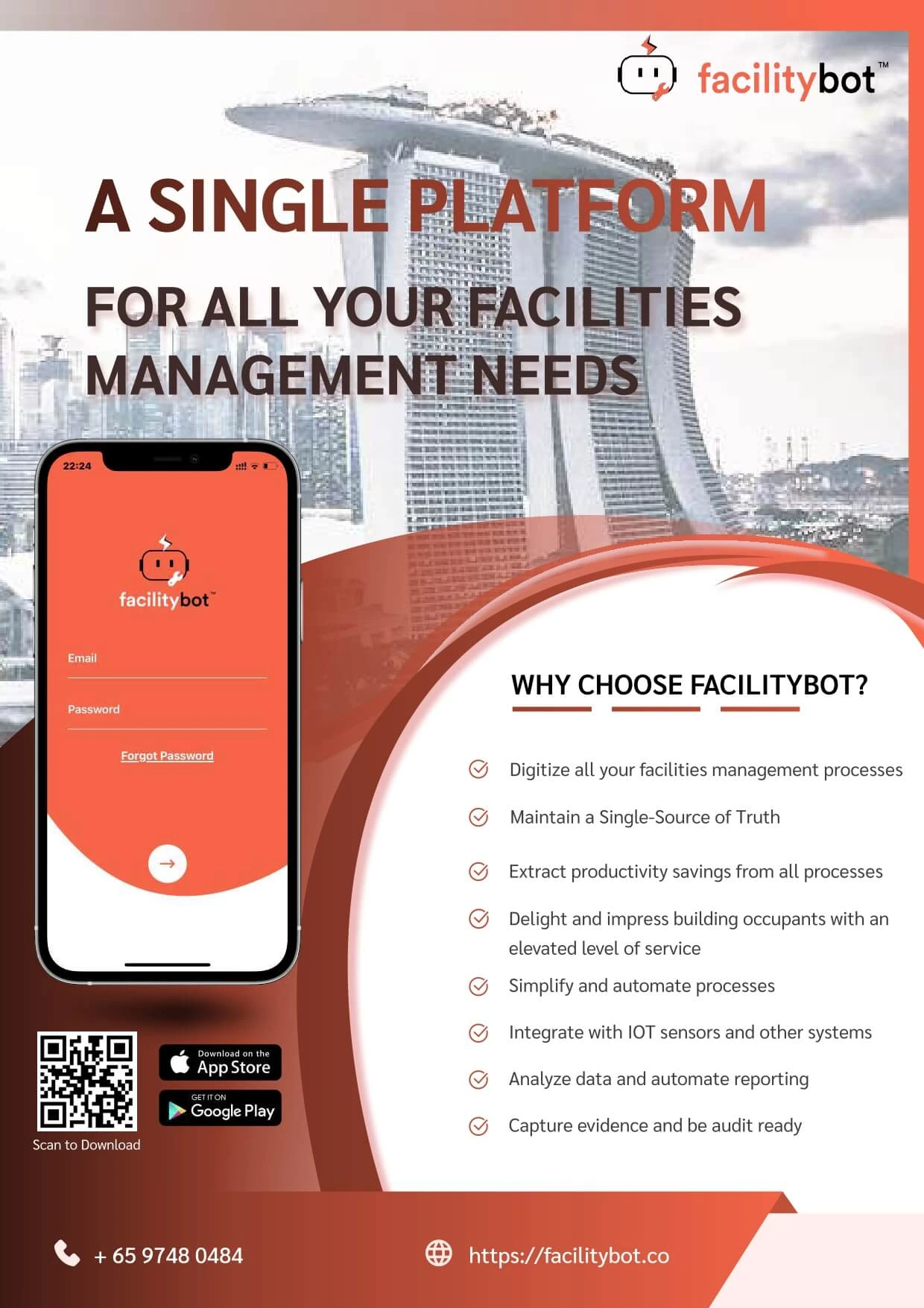
FacilityBot, a leading EAM/IWMS platform, integrates cybersecurity capabilities such as:
✔ secure cloud architecture
✔ role-based access control
✔ encrypted communications
✔ audit logging and compliance support
✔ safe contractor and vendor management
✔ controlled third-party integrations
✔ strong authentication mechanisms
This ensures facilities can digitize operations without compromising security or compliance.
Best Practices for Securing Facility Management Systems
Organizations seeking to protect infrastructure should adopt these practices:
✓ 1. Implement MFA Across All Users
Reduces credential fraud and unauthorized access.
✓ 2. Conduct Vendor Security Audits
Ensure that third-party contractors meet cybersecurity requirements.
✓ 3. Harden IoT Devices
Use secure firmware and network segmentation for building sensors and control systems.
✓ 4. Train Staff & Contractors
Human error remains a leading cause of breaches.
✓ 5. Establish Incident Response Plans
Preparedness reduces downtime and recovery costs during cyber incidents.
Conclusion: Cybersecurity Is Now a Facility Priority
As facilities embrace digital transformation, cybersecurity must evolve alongside operational capabilities. Protecting EAM and IWMS platforms is no longer only an IT responsibility—it’s a core part of asset reliability, building safety, and business continuity.
Organizations that invest in strong EAM cybersecurity and IWMS data security frameworks will:
✔ reduce cyber risk
✔ maintain uptime
✔ ensure compliance
✔ protect operational data
✔ safeguard occupants and assets
Platforms like FacilityBot make it possible to modernize facility operations securely, without sacrificing performance or flexibility.