
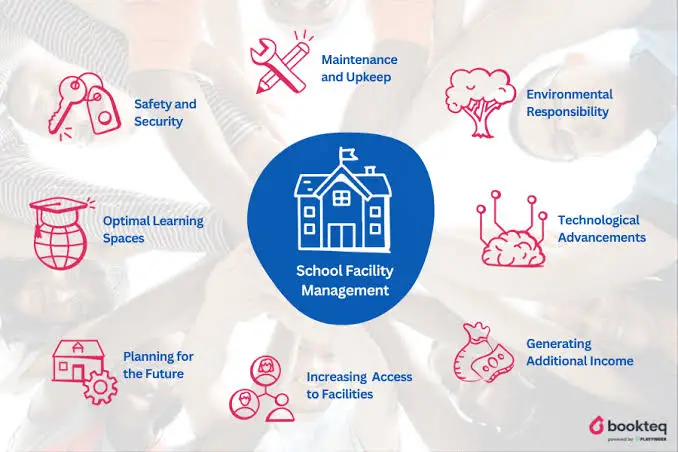
Walk through almost any school, college, or university campus and you’ll find the same quiet tension: buildings that need constant attention, and teams that never have quite enough budget, staff, or hours to give it to them. Educational facility maintenance sits at the center of that tension, because a campus is not just real estate. It is where learning happens, and the condition of the building shapes how well that learning can take place.
This guide looks at the problems that show up again and again across K-12 schools, colleges, and universities, and the practical solutions facility leaders are using to get ahead of them. Rather than treating maintenance as a list of definitions, we’ll work through each challenge the way a facilities team actually experiences it, and what to do about it.
Why Educational Facility Maintenance Deserves More Attention Than It Gets
Educational facility maintenance covers the systematic upkeep of buildings, equipment, and grounds across classrooms, laboratories, libraries, sports facilities, HVAC systems, electrical systems, plumbing, and landscaping. It is easy to describe and hard to execute, because campuses are large, varied, and constantly occupied by the people the whole system exists to protect.
The stakes are real. Deferred maintenance shows up as higher absenteeism, lower test scores, and higher dropout rates, according to research cited by the US Environmental Protection Agency. It also shows up as teacher turnover, rising utility bills, and emergency repair invoices that blow through the year’s budget in a single quarter. None of that is abstract to the person holding the maintenance clipboard. It is Monday morning.
What follows is organized around the challenges that actually keep facility leaders up at night, each paired with the solution that tends to work.
Challenge 1: Budget Constraints That Never Match the Need
The problem
Most educational institutions are managing more square footage and more aging equipment than their maintenance budget was ever designed to support. Preventive work gets postponed because it is optional in the short term, right up until the boiler fails in January and it becomes mandatory and far more expensive.
The solution: shift spending from reactive to planned
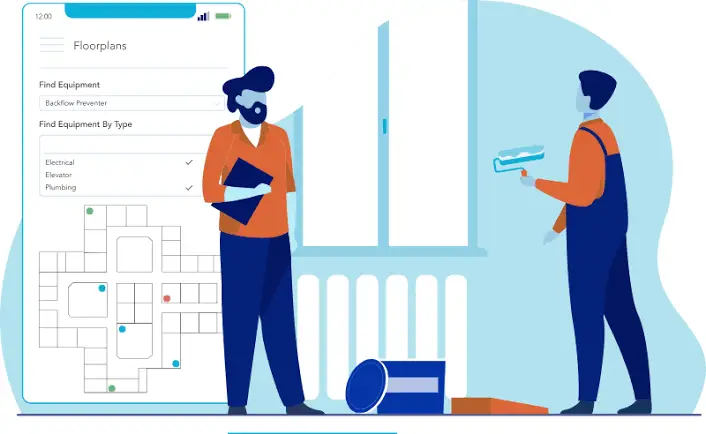
The fastest way to protect a tight budget is to reduce how much of it goes to emergency repairs. Reactive, unplanned work costs more per task than scheduled work, because it happens under pressure, often after hours, and often after the damage has already spread. A structured preventive maintenance program replaces guesswork with a calendar, so routine servicing happens before failure, not after.
Pair that with simple financial tracking by building and by asset. When leadership can see that one aging chiller has consumed three times its replacement cost in repairs over two years, the budget conversation changes from “we can’t afford to replace it” to “we can’t afford not to.”
Challenge 2: Aging Infrastructure Across Mismatched Buildings
The problem
A typical campus is rarely one building of one age. It is a 1960s classroom block next to a 2015 science wing next to a gymnasium built somewhere in between. Each has different systems, different failure patterns, and different documentation, assuming documentation exists at all.
The solution: a complete, criticality-ranked asset inventory
You cannot plan maintenance for equipment you haven’t catalogued. Build an inventory of every major asset, by building and by room, including installation date, expected service life, and what happens if it fails during term time. Rank assets by criticality so attention goes first to HVAC, life safety systems, and anything that would close a building, rather than whatever complaint arrived most recently.
This inventory becomes the foundation for everything else: budgeting, scheduling, and the case for capital replacement when a building’s systems finally reach the end of their useful life.
Challenge 3: Keeping Up With Evolving Technology
The problem
Campuses are absorbing more connected systems every year: building automation, smart sensors, access control, IT infrastructure, and AI-enabled monitoring tools. Facilities teams that grew up managing boilers and light fixtures are now also expected to understand networked equipment, and the gap between old systems and new ones can be wide.
The solution: bring systems together instead of managing them separately
The schools making the most progress here are connecting their building systems to a central maintenance platform rather than monitoring each one in isolation. When a sensor on a rooftop unit flags abnormal energy use, that alert should generate a work order automatically, not sit in a separate dashboard nobody checks. For a deeper look at how automated triggers and sensor data change the maintenance workflow, see our guide on how AI is reshaping preventive and corrective maintenance.
Technology adoption works best in stages. Start with the systems that generate the most disruption when they fail, connect those first, and expand from there.
Challenge 4: Complying With Safety Regulations
The problem
Fire systems, emergency lighting, water safety, playground equipment, laboratory safety stations, and accessibility features all carry regulatory requirements, and the burden of proof sits with the institution. An unrecorded inspection is, for compliance purposes, the same as an inspection that never happened.
The solution: recurring, documented safety tasks with a named owner
Build safety and compliance checks into the maintenance schedule as recurring tasks, each assigned to a specific person, with a required completion record before the task can be closed. This includes fire alarm and sprinkler testing, emergency lighting checks, evacuation drill documentation, electrical safety inspections, and water safety testing.
When these tasks live inside the same system as routine maintenance, nothing depends on memory. An inspector, insurer, or accreditation reviewer can be shown a complete, timestamped record in minutes rather than days.
Challenge 5: Maintaining Facilities Without Disrupting Learning
The problem
A school cannot shut down for maintenance the way an office building can. Work has to happen around class schedules, exams, events, and in many institutions, around boarding and after-hours activity. Poorly timed maintenance interrupts teaching, which is the one thing a school exists to protect.
The solution: schedule around the academic calendar, not against it
Build the maintenance calendar backward from the term dates rather than treating the academic schedule as an obstacle. Reserve breaks and summer for major shutdowns, refurbishments, and deep servicing. Use after-hours and weekend windows for noisy or disruptive routine work during term time. Keep contractors off campus during exams and major events wherever possible.
Clear communication matters as much as timing. When faculty and staff know what is happening and why, disruption feels manageable instead of chaotic.
Challenge 6: Scattered, Inconsistent Fault Reporting
The problem
In most institutions, maintenance requests arrive through five different channels: a hallway conversation, an email, a phone call to the front office, a sticky note, and occasionally a direct text to whoever’s number the teacher happens to have. Some requests get logged. Many don’t. The maintenance team ends up managing memory instead of managing data.
The solution: one channel, visible status, clear priority
Give the whole campus a single way to report issues, whether that’s a simple form, an app, or a QR code outside each room. Require a location and, ideally, a photo. Automatically acknowledge each report so staff know it was received, and let them see whether it is open, assigned, or resolved so they stop chasing updates by email.
This single change tends to produce the fastest visible improvement, because it turns invisible, scattered complaints into a prioritized, trackable queue.
Challenge 7: Energy Costs and Sustainability Pressure
The problem
Energy is one of the largest controllable line items in most facility budgets, and institutions increasingly face pressure from students, donors, and accrediting bodies to demonstrate real sustainability progress, not just intent.
The solution: treat energy efficiency as a maintenance outcome
Well-maintained equipment uses less energy. A dirty coil, a leaking valve, or a damper stuck half-open wastes money quietly for months before anyone notices the utility bill. Regular HVAC servicing, LED retrofits with occupancy sensors, and building automation tuned to actual occupancy schedules all reduce consumption measurably. Monitoring usage by building also surfaces anomalies early, before they become a pattern.
Sustainability reporting becomes far easier when energy data and maintenance records sit in the same system, since you can tie efficiency gains directly to the work that produced them.
Challenge 8: Supporting Accessibility and Equity Across Campus
The problem
Ramps, elevators, accessible restrooms, and specialized equipment need to be functional every single day, not inspected once and forgotten. A broken elevator is a minor inconvenience for most staff and a genuine barrier for a student who depends on it.
The solution: treat accessibility equipment as critical-tier assets
Classify accessibility-related equipment at the same priority level as life safety systems. Schedule frequent checks, respond to faults immediately, and track uptime specifically for these assets so gaps are visible to leadership, not just to the people directly affected.
Challenge 9: In-House Teams vs Outsourced Specialists
The problem
Larger institutions commonly rely on outside maintenance providers for specialized work, but managing that mix badly creates its own problems: unclear accountability, inconsistent documentation, and no easy way to compare contractor performance.
The solution: one system of record for every job, regardless of who does it
Keep in-house work for frequent, low-risk tasks like minor repairs, grounds care, and routine inspections. Outsource licensed or highly specialized work such as fire systems, elevators, and major electrical projects. Whichever path a job takes, log it in the same system, with the same documentation standard, so performance can be reviewed and nothing falls into the gap between internal and external responsibility.
Challenge 10: Proving the Maintenance Program Is Working
The problem
Facility teams often know, instinctively, whether things are improving. Leadership usually doesn’t, because the evidence lives in someone’s head or in a spreadsheet nobody else opens.
The solution: report a handful of metrics in plain language
You don’t need twenty KPIs. A short, recurring report covering preventive task completion rate, the ratio of planned to reactive work, average response time, and repeat faults on the same asset tells leadership what they need to know: is the campus getting safer and more reliable, or not.
Building a Sustainable Maintenance Culture
Technical fixes only go so far without buy-in across the institution. Educational facilities that sustain real improvement tend to do a few things consistently:
- They involve students and staff in reporting issues early, rather than waiting for problems to escalate.
- They train maintenance staff on both equipment operation and emergency response, with refreshers on a regular cycle.
- They schedule sensitive work, like repairs near occupied classrooms, with attention to privacy and minimal disruption.
- They connect sustainability goals to daily maintenance decisions rather than treating them as a separate initiative.
- They start with an honest assessment of current gaps instead of trying to fix everything on day one.
None of this requires a large team or an unlimited budget. It requires a consistent process that the whole institution can see and trust.
Getting Started: A Practical First Step
If your maintenance program is still mostly reactive, the highest-leverage place to start is not the biggest project on your list. It’s visibility. Build the asset inventory, open a single channel for fault reporting, and put your most critical equipment on a preventive schedule. Everything else, from budgeting to compliance reporting, gets easier once that foundation exists.
Frequently Asked Questions
What is educational facility maintenance?
It is the ongoing management and upkeep of an educational institution’s buildings, equipment, and grounds, covering classrooms, labs, HVAC, electrical, plumbing, and landscaping, with the goal of keeping the campus safe and functional for students and staff.
What are the most common challenges in educational facility maintenance?
Budget constraints, aging infrastructure, keeping pace with technology, regulatory compliance, and scheduling work without disrupting academic activities are the challenges facility leaders report most consistently.
How often should preventive maintenance be done in schools?
It depends on the asset. Critical and high-use equipment, such as HVAC and life safety systems, typically needs monthly or quarterly attention, while other assets follow biannual or annual schedules based on manufacturer guidance and usage.
Is it common for schools to outsource facility maintenance?
Yes, especially for specialized or licensed work like fire systems, elevators, and major electrical projects. Most institutions use a blend of in-house staff for routine work and outsourced specialists for regulated or occasional tasks.
How can schools reduce maintenance disruption to classes?
Schedule major or disruptive work during breaks and after hours, communicate timelines clearly to staff, and reserve term-time work for urgent or low-disruption tasks only.
What role does technology play in educational facility maintenance today?
Computerized maintenance management systems and building automation tools now handle scheduling, work order tracking, fault reporting, and reporting, replacing the spreadsheets and paper logs that made consistent maintenance difficult to sustain.
A Note on Facilities Management Software
Most of the challenges above share a common thread: they get harder to manage when information is scattered across spreadsheets, inboxes, and individual memory, and easier to manage when it isn’t. That’s the problem facilities management software from FacilityBot is built to solve. As a complete facility management solution, it brings your asset inventory, preventive schedules, work orders, contractor records, and compliance documentation into a single system, so nothing depends on one person remembering it.
Because it is cloud based CMMS software, maintenance teams, facility directors, and administrators can all see the same up-to-date information from any device, on campus or off, without managing servers or local installs. Teachers and staff can also use built-in fault reporting software to flag issues in seconds, complete with location and photo, so every request is captured, assigned, and tracked through to resolution. For institutions trying to move from reactive firefighting to a planned, documented maintenance program, that single source of truth is often the difference that makes it possible.
Want to see how FacilityBot supports educational facility maintenance on your campus? Book a demo with FacilityBot to find out.
