
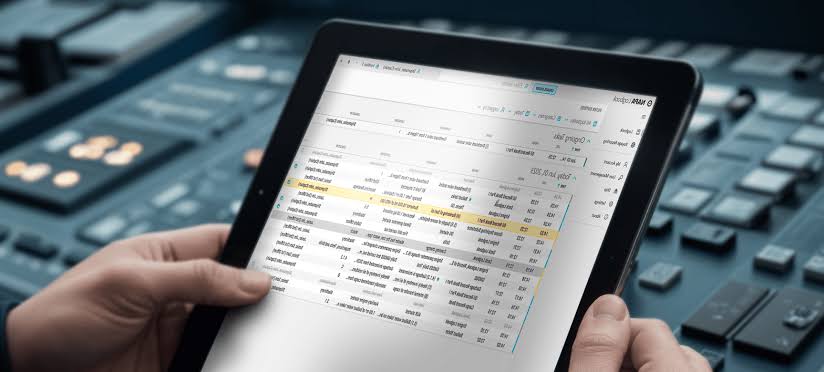
Manual permit to work processes are becoming a liability that most facilities can no longer afford. Paper-based permits, handwritten sign-offs, and disconnected approval chains create blind spots that put contractors, employees, and compliance records at risk. This is why more organizations are adopting electronic permit to work software to bring structure, speed, and accountability to high-risk work authorization.
The Problem with Manual Permit Processes
Traditional permit to work systems rely on paper forms, physical signatures, and manual tracking across spreadsheets or filing cabinets. This creates several recurring issues:
- Lost or illegible documentation that makes audits difficult and time-consuming
- No real-time visibility into which permits are active, expiring, or overdue
- Delayed approvals as forms move between supervisors, safety officers, and contractors
- Higher risk of unsafe work overlaps when multiple crews operate without a centralized view of site activity
- Weak audit trails that fall short of ISO 45001 and other compliance standards
These gaps don’t just slow down operations — they expose organizations to safety incidents and regulatory penalties.
What E Permit to Work Software Solves
E permit to work software replaces manual paperwork with a centralized digital system where permits are created, reviewed, approved, and closed in one place. Instead of chasing signatures or searching for the latest version of a form, teams get a single source of truth for every permit issued across a facility.
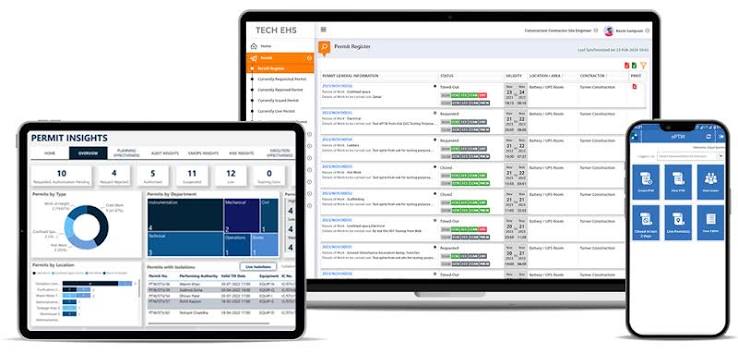
Key capabilities typically include:
Centralized Permit Management
All permits — hot work, confined space entry, electrical work, line breaks — are created, tracked, and archived in a single digital platform, eliminating scattered paperwork.
Automated Contractor Qualification Checks
Before a permit is issued, the system automatically verifies that contractors meet the required certifications and training, preventing unqualified personnel from being assigned high-risk work.
Real-Time Site Visibility
Live dashboards and site maps show every active, pending, and upcoming permit, making it easy to spot scheduling conflicts and prevent unsafe overlaps between crews.
Automated Notifications and Deadline Tracking
Alerts for incomplete, expiring, or overdue permits keep work moving without relying on manual follow-up, significantly cutting administrative time.
Why Companies Are Making the Switch
1. Faster Approvals, Less Admin Work
Digitizing the permit workflow removes the back-and-forth of paper routing. Organizations that switch to electronic systems often report cutting administrative time by well over half, freeing up safety teams to focus on higher-value work.

2. Stronger Compliance and Audit Readiness
Every action — creation, review, approval, closure — is time-stamped and stored automatically. This creates a clean, searchable audit trail that supports certifications like ISO 45001 without the scramble of reconstructing paper records.
3. Better Contractor Oversight
Automated qualification checks ensure only certified, authorized personnel are assigned to permitted work, reducing liability and improving on-site safety outcomes.
4. Improved Site-Wide Visibility
Instead of relying on radio calls or physical walkthroughs, safety managers can see exactly who is working where, and whether any permits are about to expire or overlap with other high-risk activities.
5. Fewer Safety Incidents
By enforcing standard operating procedures and preventing outdated or incomplete permits from being used, electronic systems close the gaps that often lead to workplace accidents.
Choosing the Right Electronic Permit to Work Software
When evaluating vendors, facility and safety teams should look for:
- Centralized dashboards with real-time permit status
- Automated contractor qualification verification
- Configurable workflows for different permit types
- Mobile accessibility for field teams
- Strong reporting and audit trail capabilities
- Integration with existing work order and facility management systems
Facilities that get this right don’t just reduce paperwork — they build a safer, more accountable work environment across every contractor and job site.
FacilityBot is a strong option for teams looking for reliable e-permit to work software, offering centralized permit creation and approval, automated contractor qualification checks, real-time site visibility, and configurable workflows that integrate smoothly with broader facility and work order management processes. For organizations ready to move away from paper-based permits, FacilityBot provides the tools to streamline approvals, strengthen compliance, and keep every job site accountable.
FAQs: Electronic Permit to Work Software
Electronic permit to work software is a digital system that manages the entire permit to work process including creation, approval, tracking, and closure for high-risk activities like hot work, confined space entry, and electrical tasks. It replaces manual paper-based methods with structured digital workflows that enforce safety protocols, route approvals automatically, and generate a complete audit-ready compliance record for every permit issued.
Electronic systems provide real-time visibility into all active permits across every site, automated notifications at every approval stage, and a searchable digital audit trail that is always accessible. Paper permits are prone to loss, illegibility, and delayed approvals because the process depends on physical movement of documents between people.
Beyond convenience, the structural difference is enforcement. A paper permit can be skipped, backdated, or left incomplete without the system catching it. An electronic permit to work system prevents work from proceeding until every required step is completed and approved.
Yes. Automated timestamping records every action taken throughout the permit lifecycle, from submission through each approval stage to closure. Centralised record keeping means every permit issued across all sites is stored in one searchable system and can be retrieved instantly during an audit or inspection.
This makes it significantly easier to demonstrate compliance during regulatory audits and certification processes like ISO 45001, where inspectors require documented evidence that safety protocols were followed for every high-risk activity performed.
Yes. Most platforms support configurable workflows for various permit categories including hot work, confined space, electrical, and line-break permits, all managed from a single system. Each permit type can have its own checklist requirements, approval chain, qualification verifications, and escalation rules.
FacilityBot’s configurable permit types allow facility managers to create and customise workflows for any category of hazardous work relevant to their operation, without requiring IT or developer involvement to set up or modify permit structures as requirements change.
