
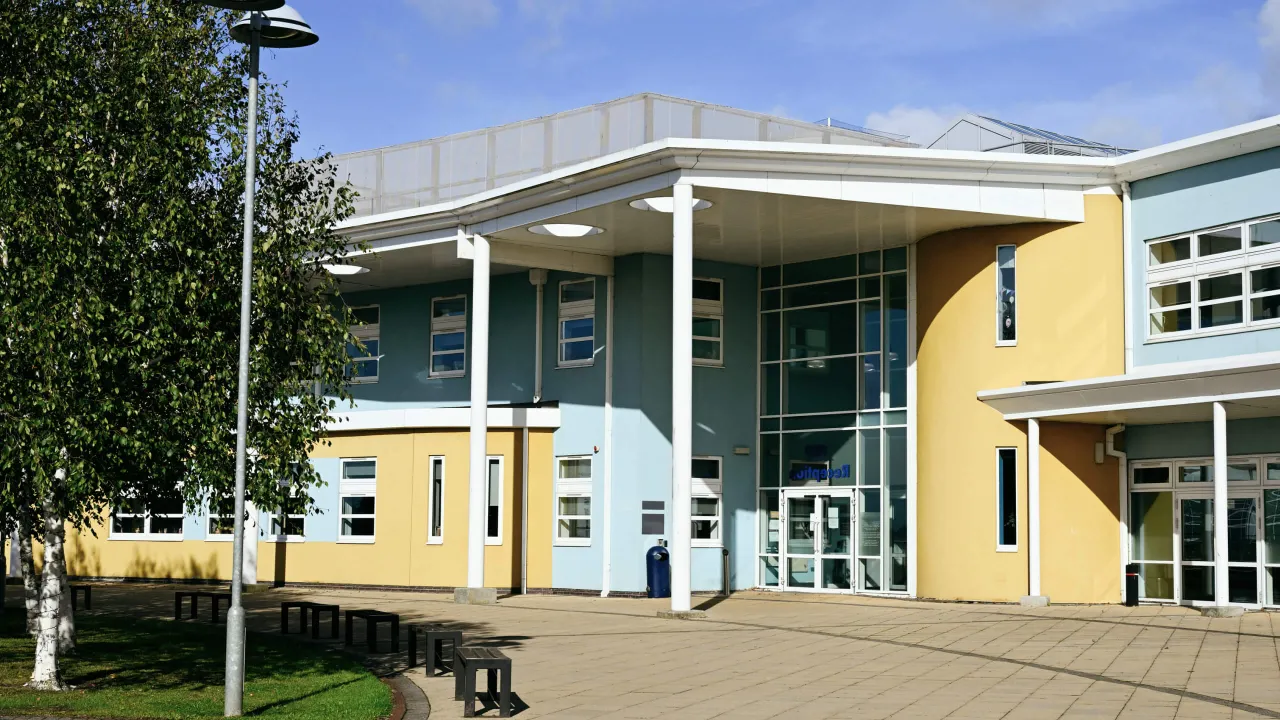
Parents at a private school are paying for more than instruction. They are paying for an environment: a warm classroom in January, a gym floor without soft spots, a science lab that passes inspection, and a campus that looks cared for on tour day. Because of that, private school facility maintenance is closely tied to enrollment, retention, reputation, and fundraising.
It is also harder in some ways than maintenance at a public district. There is no bond measure to fall back on when a boiler dies, and the maintenance team is often two or three people covering a chapel, a dormitory, an athletic complex, and a 90-year-old main building. Many campuses rely on a head of operations who also manages transport, events, and vendor contracts.
This guide covers how private schools can build a maintenance program that fits those realities. It looks at what to maintain, how to schedule it around the academic year, how to decide between in-house and outsourced work, and how to prove to the board that the money is working.
What Is Private School Facility Maintenance?
Private school facility maintenance is the ongoing care of a school’s buildings, grounds, systems, and equipment so the campus stays safe, functional, and presentable throughout the academic year. It includes:
- Routine upkeep: cleaning, minor repairs, grounds care, and daily inspections.
- Preventive maintenance: scheduled servicing of equipment before it fails.
- Corrective maintenance: repairs made after a fault or breakdown is reported.
- Compliance and safety work: fire systems, emergency lighting, water testing, playground and sports equipment checks.
- Capital planning: deciding what to repair, replace, or renovate, and when to fund it.
The last item is where private schools differ most. Independent schools, parochial schools, boarding schools, and international schools usually fund capital work from tuition, endowment income, donor campaigns, or reserves. A surprise $80,000 chiller replacement has to come from somewhere real, and that makes prediction and planning worth far more than they are on a campus with guaranteed public funding.
Why Maintenance Matters More When Tuition Pays the Bills
Facilities are part of the value proposition
Admissions directors know how much a campus visit shapes a family’s decision. A stained ceiling tile, a flickering hallway light, or a locker room that smells of damp can undo an hour of good storytelling. Prospective parents read maintenance as a signal of how the school treats everything else.
Retention depends on daily experience
Families who are already enrolled notice the small things: the bathroom that has been out of order for two weeks, the classroom that is always too hot. Each unresolved complaint chips away at goodwill. When re-enrollment decisions come around, those memories count.
Deferred maintenance becomes a financial problem
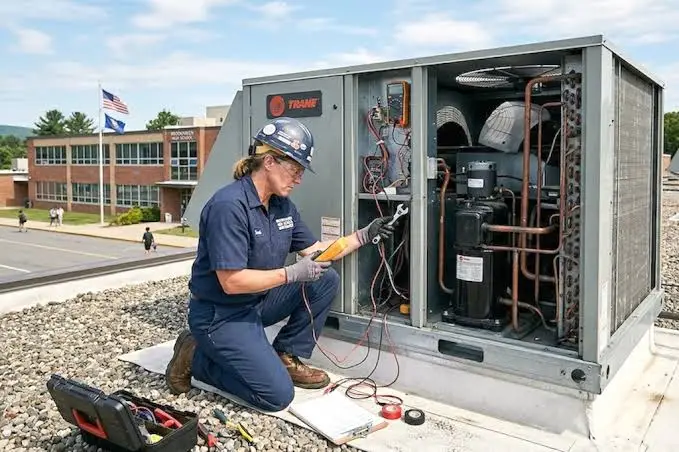
Skipping a $600 service visit on a rooftop unit can turn into a $25,000 replacement, and the school has to find that money mid-year. Deferred maintenance is not a saving. It is a loan taken at a high interest rate, and the repayment often arrives at the worst time.
Safety and liability are non-negotiable
Private schools carry the same duty of care as any school. Fire alarm testing, emergency exit checks, water safety, electrical inspections, and playground checks all need documented evidence. If an incident occurs, insurers and regulators will ask for records, and “we always did it” is not a record.
Accreditation and insurance reviews look at facilities
Accrediting bodies and insurers review how a school manages its buildings. A documented, consistent maintenance program makes those reviews easier and can support better conversations about premiums.
The Challenges Unique to Private School Facility Maintenance
Before building a plan, it helps to be honest about the constraints most private schools work within.
Lean teams. Many schools have a small maintenance crew, sometimes a single person, plus outside contractors. Knowledge lives in people’s heads, so when someone leaves, so does the history of the campus.
Mixed building age. A campus may include a heritage main hall, a 1990s gymnasium, and a new arts center. Each has different systems, different failure patterns, and different maintenance needs.
Funding uncertainty. Budgets depend on enrollment, donations, and tuition increases that families will accept. Maintenance is often the first line item to be trimmed and the last to be restored.
Seasonal pressure. Work has to happen around term dates, exams, boarding schedules, and events. The summer break is packed with projects competing for the same three or four weeks.
Multiple stakeholders. Teachers, coaches, boarding staff, parent volunteers, and trustees all have opinions about what should be fixed first. Without a clear system, the loudest request wins over the most important one.
Paper and inbox based requests. Requests arrive by email, hallway conversation, sticky note, and text message. Some are never logged, and some are logged twice.
A good maintenance program is designed around these limits rather than pretending they don’t exist.
Step 1: Build a Complete Asset Inventory
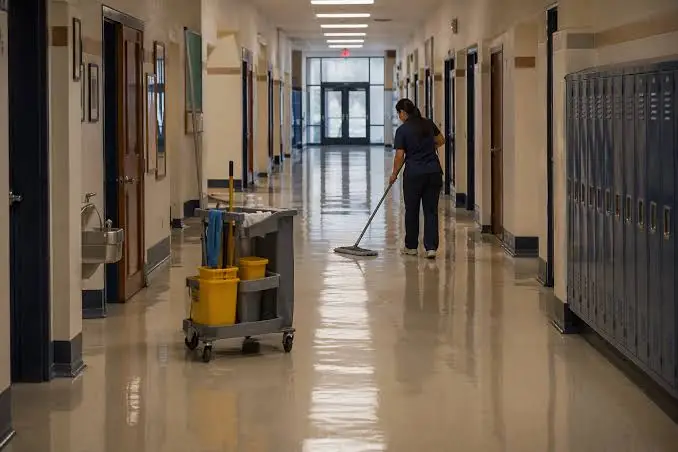
You cannot maintain what you have not listed. The first job in any private school facility maintenance program is a full inventory of assets, organized by building and by room or zone.
Capture, at a minimum:
- Asset name, type, and location
- Make, model, and serial number
- Installation date and expected service life
- Warranty details and service contract information
- Last service date and known issues
- Criticality rating (what happens if this fails during term?)
Prioritize the assets that hurt most when they fail:
| Asset category | Examples | Why it matters |
|---|---|---|
| Heating and cooling | Boilers, chillers, rooftop units, air handlers | Comfort, air quality, and continuity of teaching |
| Life safety | Fire alarm panels, sprinklers, extinguishers, emergency lighting | Safety and compliance |
| Water systems | Hot water heaters, pumps, backflow preventers, kitchen plumbing | Health, hygiene, and dormitory operations |
| Electrical | Distribution boards, generators, backup power | Continuity and safety |
| Kitchen and dining | Refrigeration, extraction, dishwashing | Food safety and daily operations |
| Sports and grounds | Pitches, pools, irrigation, playground equipment | Safety and program quality |
| Roofing and envelope | Roofs, gutters, windows, doors | Water ingress, energy loss, and security |
| Technology infrastructure | Network closets, access control, CCTV | Learning and campus security |
Do not be discouraged if the first pass is rough. An imperfect inventory that exists is far more useful than a perfect one that never gets built. Start with the critical assets and expand.
Step 2: Move from Reactive to Preventive Maintenance
Most under-resourced maintenance teams operate reactively: something breaks, someone calls, and the team runs to fix it. That mode is exhausting, expensive, and unpredictable.
Preventive maintenance flips the pattern. Instead of waiting for failure, the team services equipment on a set schedule, using time intervals, usage measures, or both. A structured preventive maintenance program gives a small team three things it desperately needs: predictability, documentation, and fewer emergencies.
What a preventive schedule looks like on a school campus
Monthly
- Inspect and replace HVAC filters where needed
- Test emergency lighting and exit signs
- Check fire extinguishers and first aid stations
- Inspect playground equipment and sports facilities
- Walk the grounds for trip hazards, damaged fencing, and drainage problems
Quarterly
- Service rooftop and split-system air conditioning
- Test fire alarm panels and door release systems
- Inspect kitchen extraction, grease traps, and refrigeration
- Check backflow devices and pumps
- Review roof drains and gutters
Twice a year (before winter and before summer)
- Boiler and heating system service
- Cooling system and chiller inspection
- Generator load test
- Pest control inspection
- Full lighting and electrical check in high-use areas
Annually
- Roof inspection by a qualified contractor
- Electrical thermographic survey where applicable
- Water quality testing and tank cleaning
- Fire system certification
- Facility condition assessment of major buildings
Why the case for preventive work is strong
Preventive work catches small faults early, extends equipment life, reduces emergency call-out costs, and lets you plan spending instead of reacting to it. For a school that has to justify every dollar to a board or bursar, that predictability is valuable. If you want a deeper look at the mechanics, our article on how a CMMS streamlines preventive maintenance explains how automated work orders and asset history remove the manual burden from small teams.
A note on corrective maintenance
Even the best programs still face breakdowns. The goal is not to eliminate corrective work but to shift the balance so that most of your hours go into planned tasks. If you are weighing the two approaches, it is worth reading about preventive vs corrective maintenance and how newer tools help teams anticipate problems rather than only respond to them.
Step 3: Plan Around the Academic Calendar
A generic maintenance schedule ignores the biggest variable on a school campus: the calendar. The best private school facility maintenance plans are built backward from term dates, exams, boarding cycles, and events.
Summer break: the big work window
Summer is when major shutdowns, refurbishments, and deep servicing happen. It is also when every contractor in the region is fully booked. To use it well:
- Finalize the summer project list by the end of the spring term.
- Book contractors and order long-lead parts months in advance.
- Group work by building so areas can be closed and reopened cleanly.
- Schedule HVAC and boiler servicing early enough that faults found have time to be fixed before students return.
- Leave a buffer week before term starts for snagging and re-cleaning.
Term time: protect the learning day
During term, the priority is minimal disruption. Schedule noisy or disruptive work for after hours, weekends, or half-term breaks. Assign clear response times so that a leaking tap and a failed heating system are not treated as equal priorities.
Winter and heating season
Boilers, heat pumps, and distribution systems need attention before the cold arrives, not after the first complaint. Servicing in early autumn and testing under load gives you time to fix weak points.
Exam periods and major events
Keep contractors off campus and avoid planned outages during exams, open days, graduation, and large fundraising events. A quiet, comfortable, well-lit campus on those days matters more than usual.
Boarding considerations
If your school has boarding houses, maintenance never fully stops. Hot water, heating, laundry equipment, security, and kitchens need round-the-clock reliability, and after-hours fault reporting needs a clear route to the on-call person.
Step 4: Decide What to Keep In-House and What to Outsource
Private schools often debate this question for years. The honest answer is that most campuses use a blend.
Keep in-house when:
- The work is frequent, simple, and low risk (filter changes, minor repairs, painting, grounds care)
- Fast response matters more than specialist skill
- You have reliable staff with the right training
Outsource when:
- The work requires licensed or certified specialists (fire systems, gas, high-voltage electrical, lifts)
- Equipment is under warranty or a manufacturer service agreement
- The task is occasional and specialist tools are expensive
- You need extra hands during summer peaks
Whichever route you choose, control the process:
- Use a single system to issue, track, and close every job, whether it is done by staff or a contractor.
- Record what was done, when, and by whom.
- Require service reports to be attached to the work order.
- Review contractor performance once or twice a year.
A hybrid model works best when nothing falls between the two groups. That only happens if every job is logged in the same place.
Step 5: Set Up a Clean Fault Reporting Process
Small teams lose enormous time to unclear requests. “The projector in room 12 isn’t working” tells you very little. Which projector? Since when? Is there a spare?
A good reporting process makes it easy for teachers, boarding staff, and administrators to flag problems, and it makes it easy for the maintenance team to act on them.
Principles for effective fault reporting:
- One front door. A single channel (a form, app, or QR code) rather than five informal ones.
- Location and asset details. Encourage users to specify the room and item, and to attach a photo.
- Automatic acknowledgment. Requesters should know their report was received.
- Priority levels. Define categories such as urgent safety, high, normal, and low, with target response times.
- Visible status. Let requesters see whether a job is open, assigned, or completed, so they stop chasing by email.
- Closure confirmation. A job is finished when the requester agrees it is fixed.
Teachers are often the best early warning system a school has. If reporting is simple, they will use it. If it is painful, they will complain in the staff room and the problem will stay invisible to the maintenance team.
Step 6: Manage Safety and Compliance Systematically
Compliance requirements vary by country, state, and school type, so check your local regulations and insurer requirements. The universal principle is that safety tasks need a schedule, an owner, and a record.
Common areas to cover:
- Fire detection, alarm, sprinkler, and emergency lighting tests
- Evacuation drills and their documentation
- Electrical safety inspections and portable appliance testing
- Water safety, including temperature checks and risk assessments for dormitories and kitchens
- Air quality and ventilation checks
- Playground, gym, and sports equipment inspections
- Laboratory safety equipment, including fume cupboards and eyewash stations
- Lift and hoist certification
- Kitchen hygiene and pest control records
Build these tasks into recurring work orders so that they appear automatically, are assigned to a named person, and cannot be closed without a completion record. When an inspector, insurer, or accreditation reviewer asks for evidence, you should be able to produce it in minutes.
Step 7: Budget Realistically and Plan Capital Work
Since private schools cannot rely on bond financing, budgeting has to be deliberate.
Separate operating and capital thinking
- Operating maintenance budget: routine and preventive work, consumables, contractor call-outs, and small repairs.
- Capital reserve: major replacements such as roofs, boilers, chillers, flooring, and playing surfaces.
A common mistake is to let capital needs compete with day-to-day expenses. When they are separated, the board can see the true long-term cost of the campus.
Use asset data to forecast
Your asset inventory already lists installation dates and service lives. Use it to project when major items will need replacement over the next five to ten years. Even a simple forecast helps trustees understand that the school’s largest expenses are predictable, and that setting money aside now is cheaper than emergency borrowing later.
Track cost per building and per asset
When a specific boiler or roof consumes more repair money than a replacement would cost, the data makes the case for you. Without it, the argument becomes one person’s opinion against another’s.
Tie maintenance spending to the strategic plan
If the school plans to grow enrollment, add a boarding house, or launch a new sports program, the facilities plan and the maintenance budget must reflect that. Trustees are usually receptive when maintenance is shown as protecting revenue, not simply consuming it.
Step 8: Use Energy and Sustainability as a Cost Lever
Energy is one of the largest controllable costs on most campuses, and many private schools also have sustainability commitments to families and donors.
Practical measures include:
- Switching to LED lighting with occupancy sensors
- Tuning heating and cooling schedules to actual timetables and holidays
- Sealing leaks and improving insulation in older buildings
- Monitoring consumption by building to find anomalies
- Servicing HVAC equipment regularly so it runs efficiently
Well-maintained equipment uses less energy. A dirty coil or a leaking valve wastes money quietly for months. Preventive work and energy performance are closely connected.
Step 9: Manage Spare Parts and Vendors
Small teams cannot afford to lose a day waiting for a $15 part. Keep a modest stock of critical spares such as belts, filters, fuses, common valves, and lamps. Track what you hold, where it lives, and when it needs reordering.
For vendors, maintain a simple register of:
- Contact and emergency numbers
- Service contract terms and renewal dates
- Response time commitments
- Insurance and certification documents
- Past job history and performance
When a heating system fails on a Sunday night in a boarding school, you want that information in one place, not in someone’s personal phone.
Step 10: Measure What Matters
You do not need dozens of metrics. A handful of indicators shared with leadership each term will show whether the program is working.
| Metric | What it tells you |
|---|---|
| Preventive maintenance completion rate | Are scheduled tasks actually being done on time? |
| Planned vs reactive work ratio | Is the team moving away from constant firefighting? |
| Average response and completion time | How quickly do requests get resolved? |
| Repeat faults on the same asset | Are you fixing causes or symptoms? |
| Maintenance cost per building | Where is the money going? |
| Backlog of open requests | Is the team keeping up with demand? |
| Compliance task completion | Are safety inspections current and documented? |
Report these in plain language. A trustee does not need a spreadsheet of work orders. They need to know whether the campus is safer, more reliable, and better value than it was last year.
A Practical Private School Maintenance Checklist
Use this as a starting framework and adapt it to your campus.
Every day
- Walk key areas for hazards and visible faults
- Review new fault reports and assign priorities
- Check boarding facilities, kitchens, and high-use spaces
Every week
- Review open work orders and overdue tasks
- Inspect sports areas and playgrounds
- Test selected safety devices per your schedule
Every month
- Complete monthly preventive tasks and record results
- Review spare parts levels
- Meet with cleaning, grounds, and IT teams to coordinate
Every term
- Update the summer project list
- Review contractor performance and upcoming renewals
- Report key metrics to school leadership
Every year
- Refresh the asset register and criticality ratings
- Review the five to ten year capital forecast
- Carry out compliance certifications and facility condition assessments
- Reset the preventive maintenance calendar for the next academic year
The Role of Technology in Private School Facility Maintenance
Spreadsheets and shared inboxes work until they do not. They fail when a staff member leaves, when the campus expands, or when an inspector asks for last year’s records. The strain shows fastest on a small team that has no spare capacity for admin.
A digital system helps by:
- Holding the asset register, service history, and documents in one place
- Generating preventive work orders automatically on schedule
- Giving staff a simple way to report faults, with photos and locations
- Letting technicians work from mobile devices in the field
- Keeping an audit trail of who did what and when
- Producing reports for trustees, insurers, and accreditation reviews
For lean teams in particular, the biggest gain is that the system remembers what individuals forget. If you want to understand the case in more depth, this piece on why a CMMS system for preventive maintenance is so valuable covers the fundamentals well.
Common Mistakes in Private School Facility Maintenance
- Leaving maintenance out of strategic planning. Facilities should appear in the school’s long-term plan, not only in the annual budget.
- Relying on one person’s knowledge. If the head of maintenance leaves, does the school lose its memory?
- Underfunding preventive work. It is the cheapest money you will spend on the campus.
- Ignoring small complaints. A dripping tap or flickering light is a signal about how the school runs.
- Poor contractor oversight. Without records and reviews, service quality drifts.
- Scheduling everything for summer. Some tasks are better done in shorter windows during the year.
- No documentation. Unrecorded work cannot be proven to insurers, inspectors, or auditors.
- Buying technology without a process. Software supports a good process. It does not replace one.
Frequently Asked Questions
What is private school facility maintenance?
It is the planned and reactive care of a private school’s buildings, grounds, equipment, and safety systems. It covers routine upkeep, preventive servicing, repairs, compliance checks, and long-term capital planning, all funded through the school’s own budget rather than public bonds.
How is private school facility maintenance different from public school maintenance?
The tasks are similar, but the funding and organizational context differ. Private schools depend on tuition, donations, and reserves, often run with smaller teams, and feel the impact of campus quality directly in admissions and retention.
How much should a private school budget for maintenance?
There is no universal figure, because it depends on building age, size, climate, and equipment. A useful approach is to budget separately for operating maintenance and for a capital reserve based on the age and expected life of major assets. Your own asset data and maintenance history are the best guide.
What should a private school prioritize first?
Start with life safety systems, heating and cooling, water systems, and anything that would close a building if it failed. Then work outward to comfort, appearance, and lower-risk assets.
Should private schools outsource maintenance?
Most use a mix. Routine tasks often stay in-house, while specialist, regulated, or seasonal work goes to contractors. What matters is tracking all work, in-house or outsourced, in one system.
How often should preventive maintenance be done?
It depends on the asset. Many items follow monthly, quarterly, biannual, or annual schedules based on manufacturer guidance, usage, and regulations. Critical and high-use equipment usually needs more frequent attention.
How can a small maintenance team keep up?
Prioritize by criticality, automate scheduled tasks, standardize fault reporting, and keep good records. Focus first on preventing the failures that cause the most disruption.
What records should we keep?
Asset details, service history, inspection results, compliance certificates, contractor reports, warranties, and work order histories. These support insurance claims, accreditation, and budget planning.
Getting Started: A 90-Day Plan
Days 1 to 30: Foundation
- List critical assets by building
- Define priority levels and response times
- Set up one channel for fault reporting
- Identify the top ten risks on campus
Days 31 to 60: Structure
- Build preventive schedules for critical equipment
- Load safety and compliance tasks as recurring jobs
- Create a vendor register with contracts and contacts
- Plan the summer project list
Days 61 to 90: Optimization
- Review completion rates and response times
- Adjust schedules based on real experience
- Present a short report to school leadership
- Start a five year capital forecast
Progress beats perfection. A campus that moves from reactive to structured in one term is already in a stronger position than most.
Facilities Management Software for Private Schools: How FacilityBot Helps
A private school does not need an enterprise system built for a hundred sites. It needs a tool that a small team can adopt quickly and that delivers value from the first term. That is where facilities management software from FacilityBot fits. As a complete facility management solution, it brings assets, preventive schedules, work orders, contractors, and compliance records into one place, so your team spends less time chasing information and more time caring for the campus.
Because it is cloud based CMMS software, your maintenance staff, bursar, and head of operations can all access the same up to date information from any device, on or off campus, with no servers to maintain. Teachers and boarding staff can also use fault reporting software to log issues with a location and photo in seconds, so nothing gets lost in an inbox and every request has a clear owner and status. With automated preventive work orders, mobile access for technicians, and reporting that trustees can actually read, FacilityBot helps private schools protect their buildings, their budgets, and the experience of every student and family on campus.
Ready to simplify private school facility maintenance? Book a demo with FacilityBot and see how it works for your campus.
