Corporate offices are evolving rapidly. Hybrid work models, flexible seating arrangements, cost optimization pressures, and employee experience expectations are reshaping how organizations use office space. Traditional space management methods—spreadsheets, static floor plans, and manual tracking—are no longer sufficient.
To stay competitive, companies need smarter tools that provide real-time insights, automation, and strategic visibility. This is where an Integrated Workplace Management System (IWMS) plays a transformative role.
For organizations across the United States, FacilityBot, recognized as one of the best CMMS software in the USA, offers IWMS capabilities that help businesses optimize space planning, reduce real estate costs, and improve workplace efficiency.
Let’s explore how IWMS enhances space planning for modern corporate offices.
The Growing Importance of Space Planning
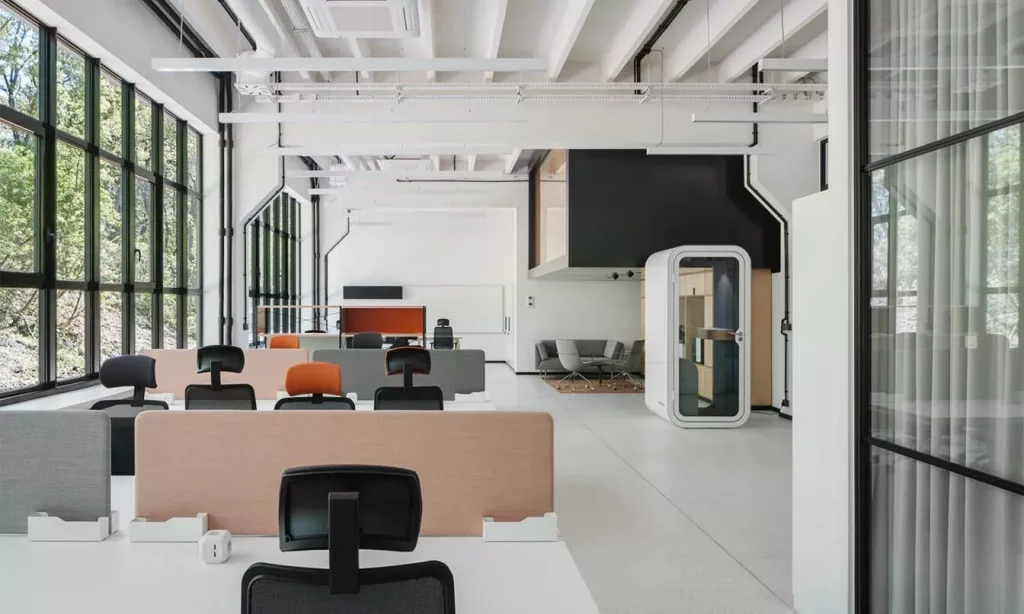
Office space is one of the largest operational expenses for corporations. Poor space utilization leads to:
- Underused desks and meeting rooms
- Overcrowded collaboration areas
- Unnecessary lease expenses
- Inefficient departmental layouts
- Reduced employee satisfaction
With hybrid work becoming the norm, companies can no longer rely on assumptions about occupancy. They need accurate, data-driven insights.
An IWMS centralizes space data and transforms it into actionable intelligence.
What Is IWMS in Space Planning?
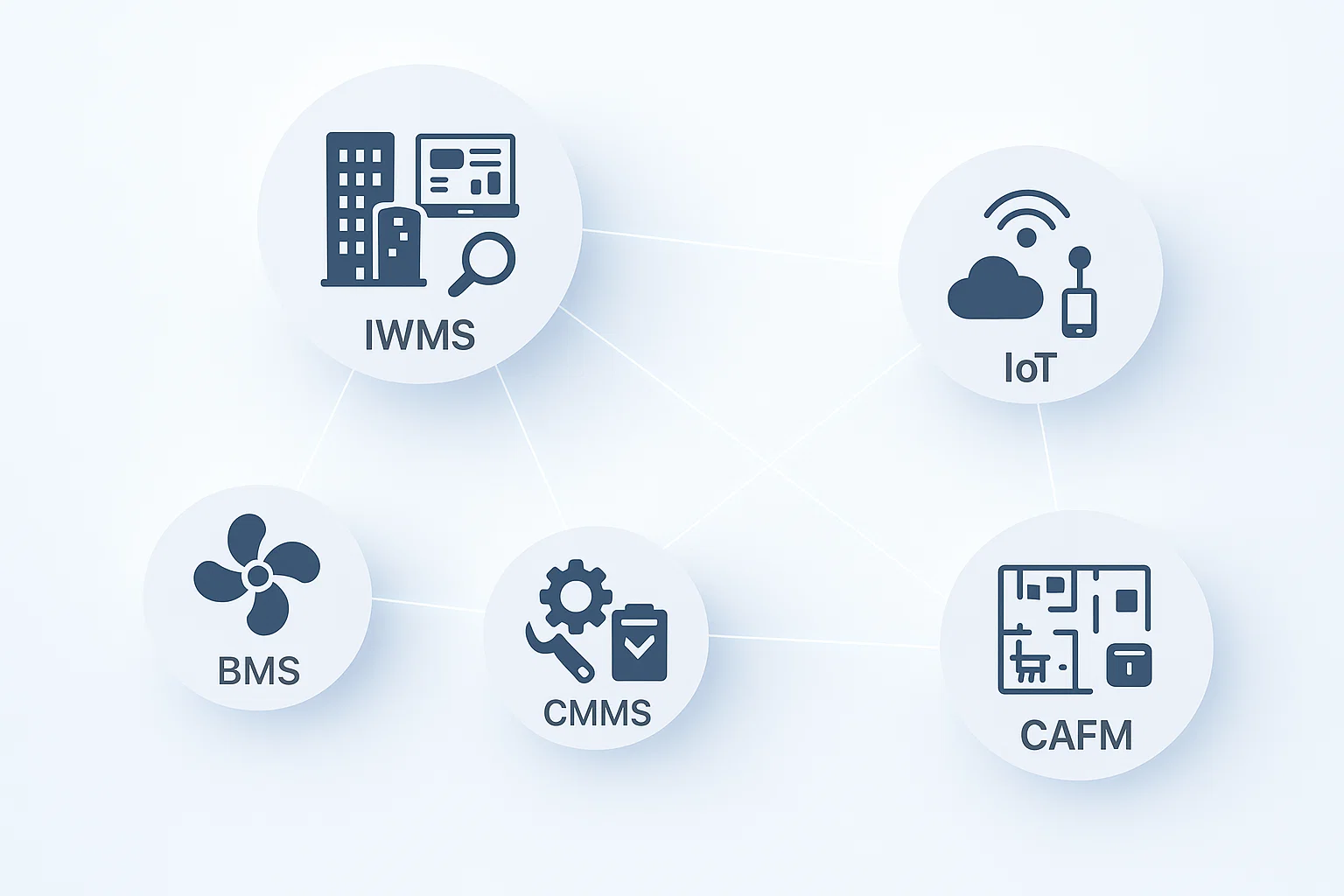
An IWMS integrates multiple workplace functions into one platform, including:
- Space and occupancy management
- Maintenance and asset tracking
- Lease administration
- Capital planning
- Sustainability monitoring
When applied to corporate offices, IWMS provides a dynamic and interactive view of how space is allocated and used—allowing facility managers to make informed decisions quickly.
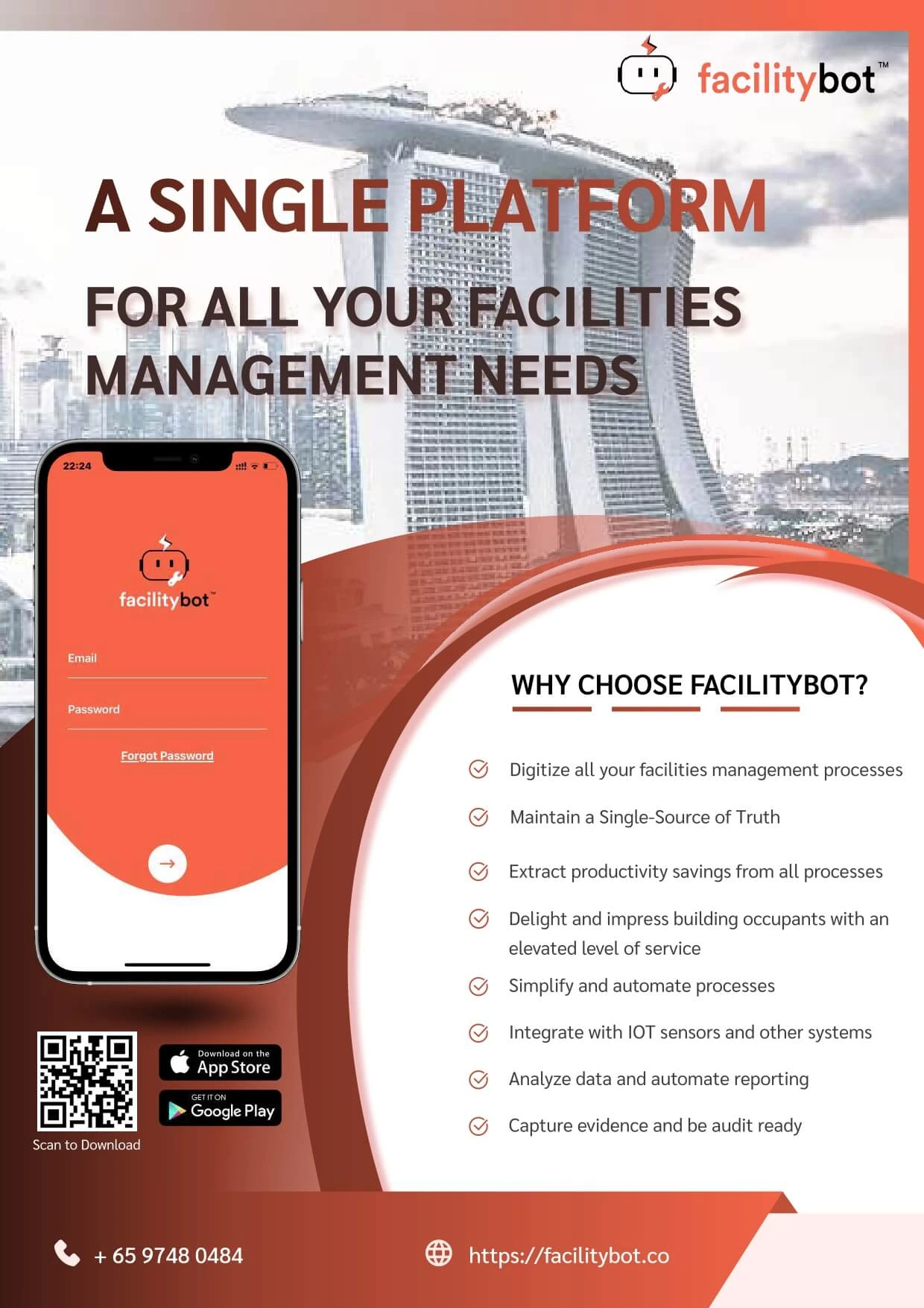
FacilityBot combines CMMS strength with IWMS functionality, enabling organizations to manage maintenance and optimize space from a single, centralized system.
Key Ways IWMS Enhances Space Planning
1. Real-Time Occupancy Visibility
One of the biggest challenges in corporate offices is understanding actual occupancy patterns.
IWMS systems track:
- Desk utilization
- Meeting room bookings
- Floor-level occupancy trends
- Departmental space allocation
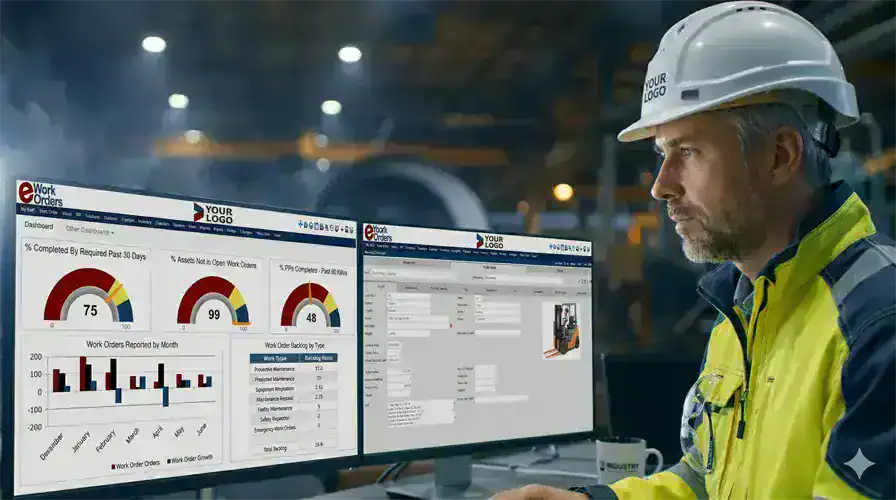
With FacilityBot, facility managers gain access to real-time dashboards that reveal which areas are underused or overburdened. This visibility helps organizations right-size their office footprint and eliminate wasted space.
2. Data-Driven Workplace Optimization
Instead of guessing how much space each department needs, IWMS uses historical and real-time data to guide planning decisions.
This allows organizations to:
- Reconfigure layouts for better collaboration
- Introduce hot-desking strategies
- Allocate space based on usage trends
- Improve traffic flow within offices
Data-backed planning reduces friction and ensures that space aligns with actual employee behavior.
3. Supporting Hybrid and Flexible Work Models
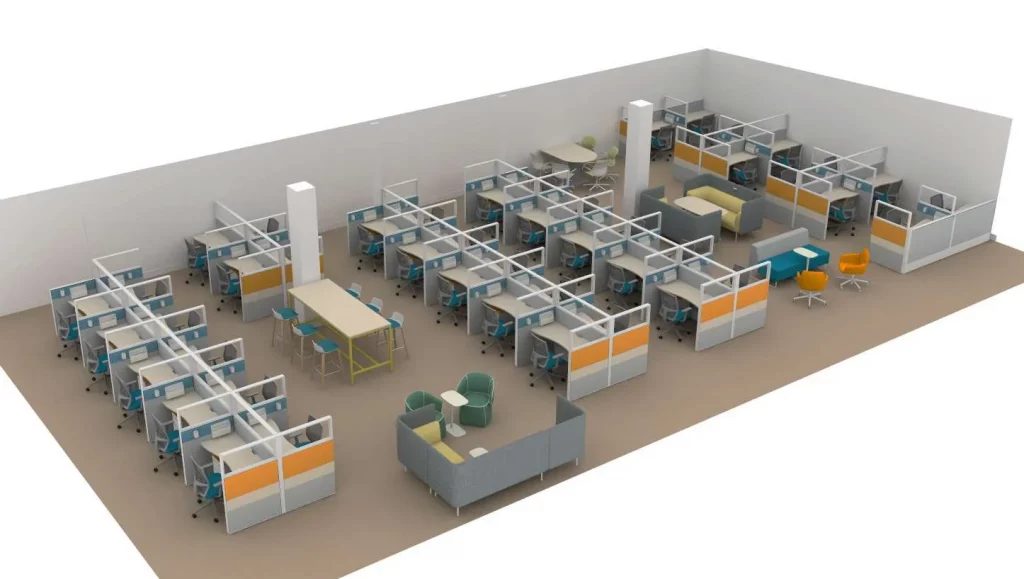
Hybrid work has permanently changed office utilization patterns. Some employees work remotely several days a week, while others require collaborative spaces for team meetings.
IWMS enables:
- Flexible desk booking systems
- Real-time workspace reservations
- Visibility into daily occupancy levels
- Planning for peak office days
FacilityBot’s centralized platform helps organizations manage dynamic work environments without chaos or inefficiency.
4. Cost Reduction Through Space Consolidation
When organizations understand their real space needs, they can:
- Consolidate underutilized floors
- Reduce lease renewals
- Sublease unused areas
- Avoid unnecessary real estate expansion
Optimizing space through IWMS directly contributes to cost savings—often delivering measurable ROI within months.
For companies in high-cost cities across the USA, even small reductions in space can result in significant financial benefits.
5. Integrated Maintenance and Space Planning
Space planning doesn’t exist in isolation. It must align with maintenance operations.
When departments relocate or floor layouts change, maintenance teams must update:
- HVAC configurations
- Lighting systems
- Equipment placements
- Cleaning schedules
FacilityBot integrates space planning with CMMS workflows, ensuring that any layout changes automatically reflect in maintenance operations. This reduces errors, improves efficiency, and prevents operational disruptions.
6. Scenario Planning and Future Forecasting
Corporate growth is rarely static. Organizations expand, downsize, or restructure frequently.
IWMS allows facility leaders to simulate:
- Headcount growth scenarios
- Department mergers
- Office relocations
- New building acquisitions
Scenario modeling ensures long-term space strategies align with business goals.
FacilityBot’s reporting tools help decision-makers plan proactively rather than reacting to space shortages or inefficiencies.
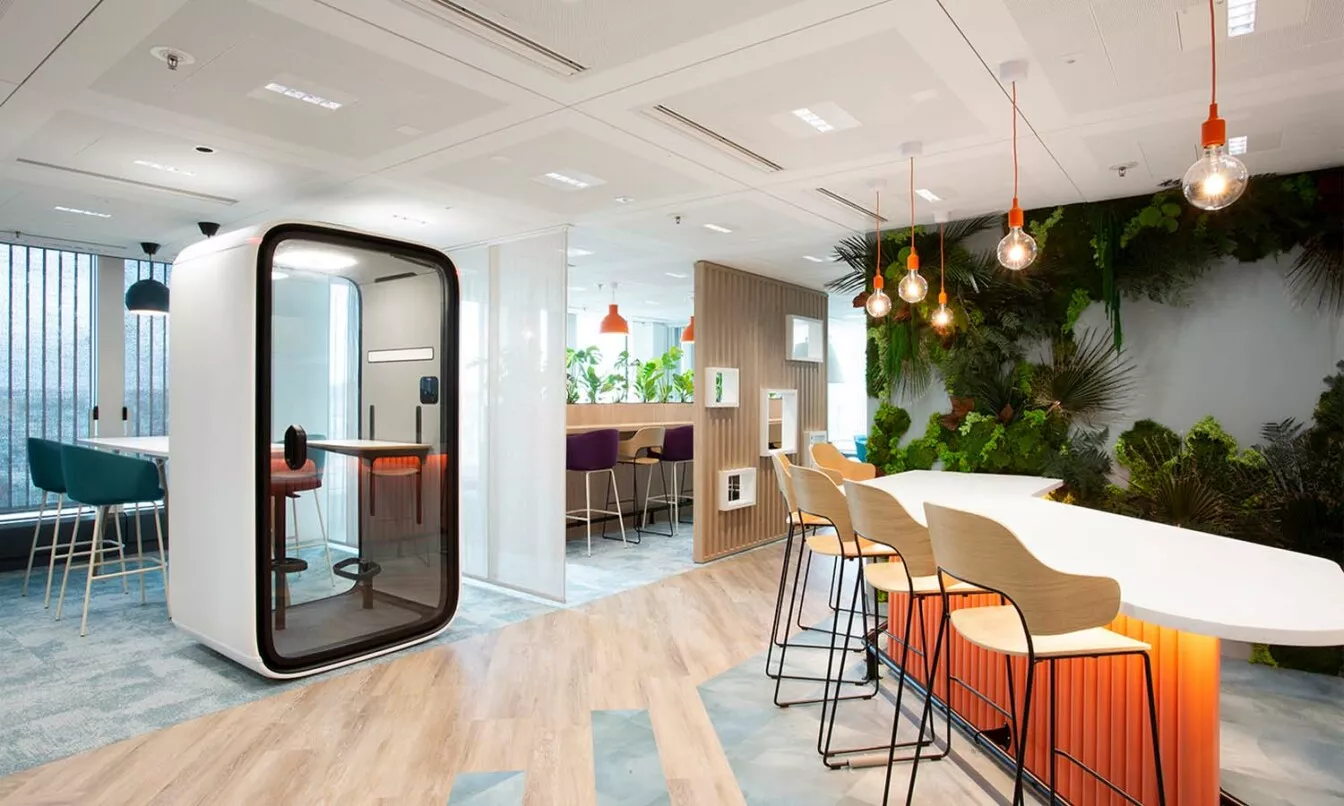
Enhancing Employee Experience Through Smart Space Design
Space planning directly impacts employee satisfaction and productivity.
IWMS helps create workplaces that:
- Balance collaboration and privacy
- Reduce overcrowding
- Improve meeting room availability
- Support ergonomic workspace allocation
When employees can easily find available desks or book meeting rooms without friction, workplace experience improves significantly.
By aligning space strategy with employee needs, organizations enhance retention and engagement.
Sustainability and Energy Efficiency Benefits
Space optimization also supports sustainability goals.
When organizations reduce unused space, they:
- Lower energy consumption
- Reduce HVAC demand
- Minimize lighting waste
- Decrease overall carbon footprint
IWMS provides analytics that link occupancy data with energy usage, enabling smarter environmental decisions.
FacilityBot helps corporate offices move toward more sustainable operations while maintaining operational efficiency.
Why FacilityBot Is Ideal for Corporate Space Planning
FacilityBot stands out as one of the best CMMS software solutions in the USA because it combines:
- Strong maintenance management capabilities
- Space and occupancy tracking tools
- Centralized reporting dashboards
- Mobile access for on-the-go teams
- Scalable architecture for multi-site enterprises
Instead of using separate tools for maintenance and space management, organizations can manage everything from a single, integrated platform.
This unified approach simplifies operations and improves decision-making.
Best Practices for Implementing IWMS in Corporate Offices
To maximize success, organizations should:
- Conduct a baseline occupancy assessment
- Digitize all floor plans and asset records
- Train employees on workspace booking systems
- Regularly review space utilization reports
- Align space planning with long-term business strategy
By taking a structured approach, companies ensure IWMS adoption delivers measurable results.
The Future of Corporate Space Planning
As AI and IoT technologies advance, IWMS platforms will offer even more predictive capabilities, such as:
- AI-driven occupancy forecasting
- Automated space reallocation recommendations
- Real-time environmental adjustments
- Smart building integrations
Corporate offices that adopt intelligent IWMS solutions today will be better positioned to adapt to tomorrow’s workplace trends.
Conclusion
Space planning is no longer just about arranging desks—it’s about aligning workplace strategy with business performance. An IWMS transforms corporate office management by delivering real-time visibility, data-driven insights, and operational integration.
With FacilityBot, organizations across the USA can enhance space planning, reduce real estate costs, improve employee experience, and centralize facility operations within a powerful, scalable platform.
In a rapidly changing work environment, smart space planning powered by IWMS isn’t optional—it’s essential.