
Field maintenance operations have become more complex due to increasing asset density, distributed facility footprints, compliance demands, and the growing need for real-time asset data. Traditional desktop-based enterprise asset management (EAM) platforms and paper-driven work orders are no longer enough to support modern facility, industrial, and commercial maintenance environments.
This has driven rapid adoption of mobile EAM software and dedicated field maintenance app solutions that allow technicians, contractors, and facility teams to work directly from their mobile devices while on the job. These mobile tools improve communication, reduce administrative overhead, enhance asset visibility, and accelerate work order cycle times.
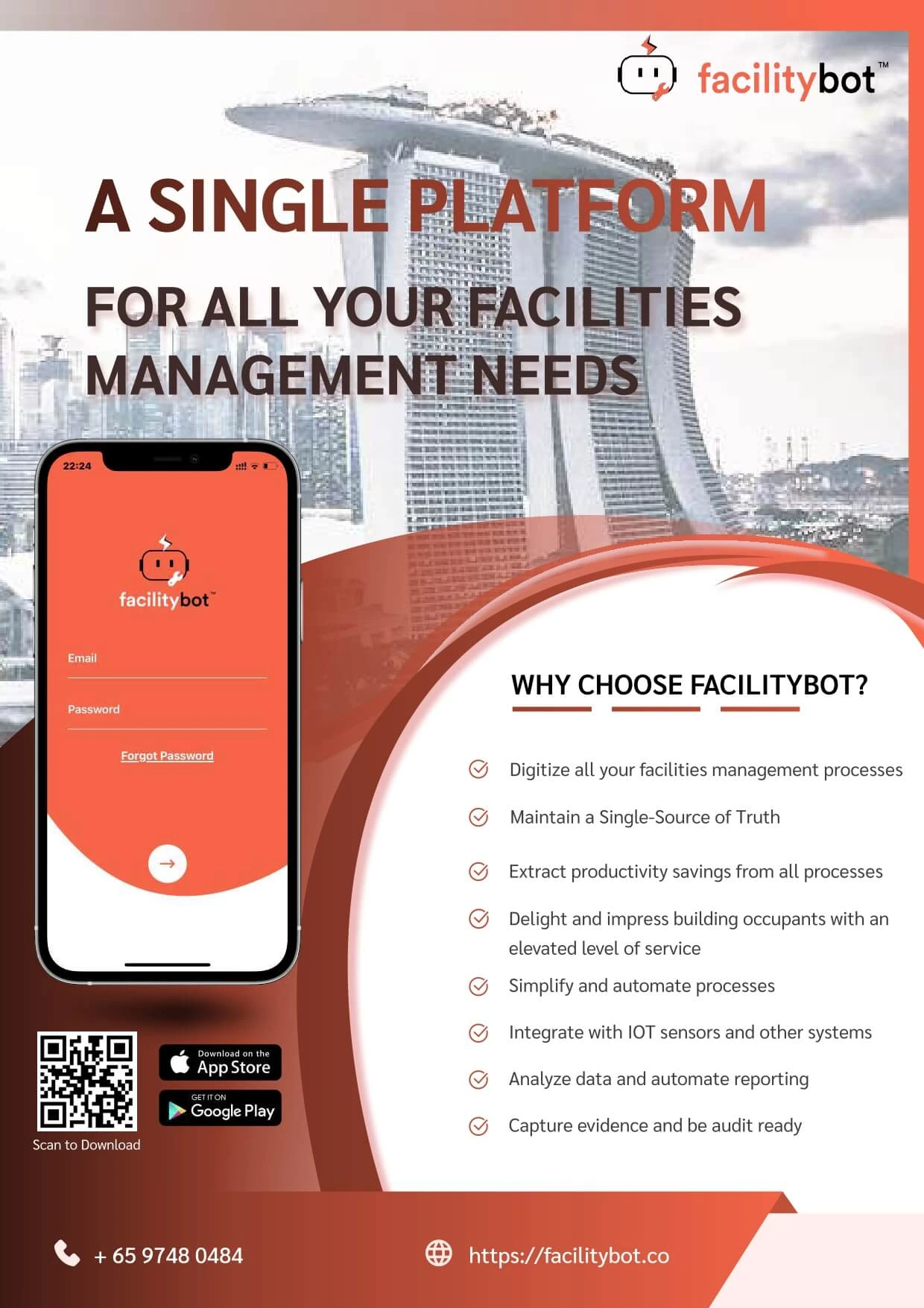
A leading example of this approach is FacilityBot, which provides mobile-first maintenance workflows, automated work request handling, contractor coordination, and asset data access for technicians in the field — making it an essential tool for modern facility management.
Why Field Technicians Need Mobile EAM Tools
Traditionally, field technicians have been forced to:

- Print work orders before arriving at job sites
- Call or email supervisors for clarifications
- Manually log parts and inventory usage
- Return to the office to close tasks
- Submit reports after tasks are completed
These processes create inefficiencies such as:
✔ Delayed work order completion
✔ Poor data accuracy
✔ Lost documentation
✔ Miscommunication with dispatchers
✔ Limited asset history visibility
Mobile EAM solutions eliminate these friction points and support technicians through the full asset maintenance cycle.
What Is Mobile EAM Software?
Mobile EAM software is a mobile-enabled extension of enterprise asset management platforms that allows maintenance personnel to:
- Access work orders
- Update job status
- View asset histories and manuals
- Log parts usage
- Attach photos and documentation
- Access checklists and SOPs
- Sync data to the backend in real time
This replaces manual reporting and ensures that every maintenance action is captured electronically, improving overall asset lifecycle intelligence.
Key Features of Mobile Field Maintenance Apps
Modern field maintenance app systems provide features specifically designed for technicians who work outside of office environments, such as:
1. Real-Time Work Order Management
Technicians can:
✔ View assigned tasks
✔ Accept or reject work orders
✔ Update progress statuses
✔ Close tasks upon completion
With tools like FacilityBot, supervisors can dispatch tasks instantly and monitor completion times, improving SLA performance.
2. Asset Information Access
Technicians gain access to:

- Maintenance history
- Failure logs
- Manuals and diagrams
- Serial numbers
- Warranty information
- Safety instructions
Access to asset history is crucial for diagnosis and reduces troubleshooting time significantly.
3. Inventory and Parts Tracking
Mobile EAM apps allow field teams to record:
✔ Spare part usage
✔ Stock updates
✔ Material consumption
This prevents stockouts, supports predictive procurement, and reduces asset downtime.
4. Photo and Documentation Uploads
Documentation is no longer delayed until paperwork is completed at end of day. Instead, technicians can:
- Capture before/after images
- Upload evidence for warranty claims
- Log compliance documentation
- Record failure analysis notes
This improves audit visibility and reduces compliance risk.
5. Digital Checklists and SOPs
Standard operating procedures ensure consistent quality across distributed field teams. Mobile apps allow:
✔ Task checklists
✔ Safety procedures
✔ Inspection forms
This is especially critical in regulated industries such as healthcare, manufacturing, and data centers.
How Mobile Technology Improves Maintenance KPIs
Mobile EAM solutions deliver measurable gains across operational performance indicators:
✔ Reduced Mean Time to Repair (MTTR)
Real-time access to parts, documentation, and history shortens diagnosis and repair.
✔ Reduced Downtime
Work orders can be scheduled and dispatched faster, improving asset availability.
✔ Higher First-Time Fix Rate
Field technicians arrive better prepared with required tools and information.
✔ Improved Data Accuracy
Digital inputs eliminate transcription errors and missing forms.
✔ Increased Technician Productivity
No more returning to the office to complete paperwork or reporting.
Why Mobile EAM Is Essential for Modern Operations
Mobile-first asset management supports broader organizational goals such as:
1. Industry 4.0 Enablement
IoT, digital twins, and predictive analytics require accurate asset data — data that frontline techs collect.
2. Distributed Facilities
Multi-site enterprises (retail chains, campuses, hospitality, logistics) rely heavily on field tech mobility to manage asset workload at scale.
3. Outsourced Contractor Models
Vendor and contractor coordination is simplified when everyone works within the same mobile workflow system.
4. Workforce Demographics
New generations of technicians expect digital tools over paper and spreadsheets.
How FacilityBot Enables Mobile EAM Performance
FacilityBot strengthens EAM execution by offering:
⭐ Mobile-first work order management
⭐ Automated fault reporting
⭐ Contractor and vendor workflows
⭐ Preventive maintenance automation
⭐ QR code asset tagging
⭐ Proof-of-work documentation
⭐ Media uploads from field
⭐ Analytics dashboards
Technicians can update tasks on-the-go, supervisors gain real-time visibility, and organizations benefit from improved reporting and maintenance intelligence.
Use Cases Across Facility and Industrial Sectors
Mobile EAM tools are now standard in:
- Hospitals and healthcare networks
- Property and commercial buildings
- Corporate campuses
- Manufacturing plants
- Logistics and warehouse environments
- Retail chains and malls
- Hospitality and hotels
- Data centers
- Government infrastructure
In all these sectors, asset uptime directly affects business output, safety, and customer experience.
Future of Mobile EAM: Where the Market Is Heading
The next evolution of mobile EAM will integrate:
✔ AI-powered diagnostics
✔ Automated dispatching
✔ Predictive maintenance insights
✔ AR-guided repair instructions
✔ Digital twin synchronization
✔ Voice-based reporting
✔ Offline-first operation modes
These features will further extend technician efficiency and reduce cognitive load during maintenance activities.
Conclusion
Mobile EAM applications have become indispensable for modern field technicians. By providing real-time access to work orders, asset histories, documentation, and parts data, they eliminate manual bottlenecks and enable faster, more accurate maintenance execution.
Platforms like FacilityBot take this a step further by connecting field execution with enterprise-level asset workflows — improving operational uptime, data quality, compliance, and asset lifecycle ROI.