
Efficient space utilization and occupancy management are critical concerns for modern organizations. Rising real estate costs, hybrid work models, and sustainability initiatives make every square meter of workspace valuable. To address these challenges, facilities are increasingly relying on IWMS (Integrated Workplace Management System) software.
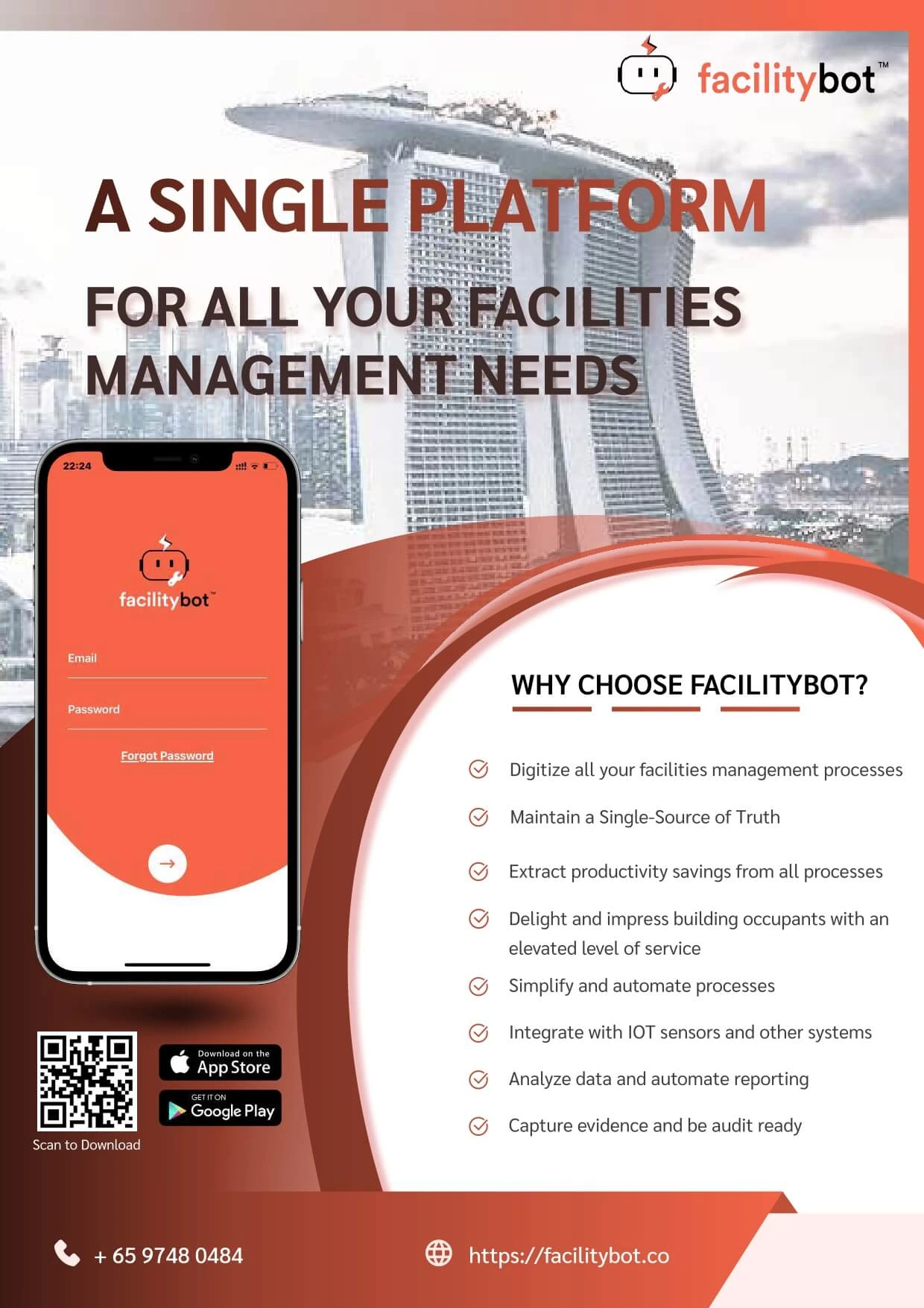
IWMS platforms provide real-time visibility into space usage, automate occupancy tracking, and enable data-driven decisions that maximize efficiency. Tools like FacilityBot complement IWMS strategies by streamlining workflows, improving service delivery, and enhancing overall workplace operations.
What Is IWMS Software?
An Integrated Workplace Management System (IWMS) is a comprehensive software platform designed to manage all aspects of workplace operations. While its scope covers multiple functions—such as asset management, lease administration, and maintenance—space utilization and occupancy tracking are among its most critical capabilities.

Key IWMS functions include:
- Space and occupancy management
- Real estate and lease management
- Facility maintenance coordination
- Workplace experience and employee engagement
- Energy and sustainability tracking
By centralizing workplace data, IWMS allows facility managers to analyze space trends, optimize usage, and make strategic decisions.
Why Space Utilization and Occupancy Matter
Efficient space management has several benefits for organizations:
- Cost Efficiency – Optimizing office space reduces unnecessary real estate expenses.
- Employee Experience – Smartly allocated spaces improve comfort, productivity, and collaboration.
- Sustainability – Efficient use of space minimizes energy consumption and environmental impact.
- Data-Driven Decisions – Understanding occupancy trends enables better long-term planning.
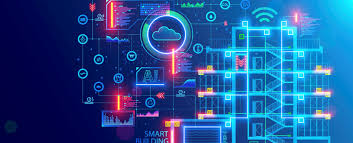
Modern IWMS software provides tools to monitor occupancy in real time, track usage patterns, and align spaces with organizational needs.
How IWMS Optimizes Space Utilization
1. Real-Time Occupancy Tracking
IWMS platforms can integrate with sensors, access control systems, and IoT devices to monitor:
- Desk and room occupancy
- Meeting room usage
- Common area traffic
This real-time data helps facility managers understand which areas are underused, overused, or available for reallocation.
2. Space Planning and Allocation
With IWMS, organizations can plan space allocation strategically:
- Assign desks and rooms based on team needs
- Schedule shared spaces for hybrid teams
- Optimize seating arrangements to minimize wasted space
FacilityBot enhances this process by integrating with maintenance and service workflows, ensuring that occupied spaces remain functional and well-maintained.
3. Data-Driven Workspace Decisions
By analyzing occupancy data, IWMS enables facility teams to:
- Reduce unused or underutilized areas
- Reconfigure spaces for better collaboration
- Support flexible work arrangements
- Improve overall workplace efficiency
4. Integration with Workplace Experience
Space utilization isn’t just about efficiency—it’s also about employee satisfaction. Modern IWMS software:
- Supports self-service booking for desks and meeting rooms
- Provides mobile apps for employees to check availability
- Collects feedback on workspace comfort and usability
FacilityBot can complement IWMS by automating maintenance requests and resolving facility issues quickly, ensuring that spaces are always ready for occupancy.
The Role of AI and Automation in IWMS
AI-powered IWMS solutions can optimize occupancy further by:
- Predicting peak usage times
- Recommending space reallocations
- Automating room booking and desk assignments
- Forecasting future space requirements
FacilityBot leverages AI to streamline maintenance operations, ensuring that critical spaces remain operational and well-maintained, which directly supports better space utilization.
Measuring Success with Key Metrics
To assess the effectiveness of IWMS in space utilization, organizations track key metrics such as:
- Desk and room occupancy rates
- Meeting room utilization percentages
- Space cost per employee
- Energy consumption per occupied area
- Maintenance response times
By monitoring these metrics, facility managers can continuously optimize workplace performance.
Benefits of Optimized Space Utilization Through IWMS
- Reduced Operational Costs – Minimized unused space leads to lower real estate and energy costs.
- Enhanced Employee Productivity – Well-planned spaces improve workflow and collaboration.
- Improved Sustainability – Efficiently used spaces reduce unnecessary energy consumption.
- Proactive Maintenance and Management – Integration with platforms like FacilityBot ensures spaces remain functional and safe.
- Strategic Long-Term Planning – Data-driven insights support future workplace expansion, downsizing, or reconfiguration decisions.
How FacilityBot Supports IWMS Space Optimization
While IWMS handles space planning and occupancy tracking, FacilityBot enhances operational efficiency by:
- Managing maintenance and service requests for occupied spaces
- Providing AI-powered insights into recurring facility issues
- Supporting mobile-based reporting for quick resolution
- Integrating seamlessly with existing IWMS platforms
By combining IWMS’s data-driven occupancy insights with FacilityBot’s operational automation, organizations achieve optimal space utilization, reduced downtime, and better workplace experiences.
Future Trends in IWMS and Space Management
The future of space optimization and occupancy management will be shaped by:
- AI-powered predictive space planning – Anticipating future space needs
- IoT integration – Real-time monitoring of occupancy and environmental conditions
- Hybrid workplace analytics – Managing flexible schedules and shared workspaces
- Sustainability dashboards – Optimizing energy use in real time
FacilityBot and modern IWMS solutions are evolving to meet these trends, enabling truly smart, responsive workplaces.
Conclusion
Optimizing space utilization and occupancy is a critical part of modern facility management. IWMS software provides organizations with real-time insights, predictive analytics, and data-driven planning tools to maximize workspace efficiency and employee satisfaction.
By integrating operational platforms like FacilityBot, organizations can ensure that spaces remain functional, maintenance issues are resolved quickly, and overall workplace operations run smoothly. Together, IWMS and FacilityBot empower organizations to create smart, sustainable, and highly efficient workplaces.