

Ask a manufacturing engineer how a production line is doing and you will get a number: its OEE. Ask most facilities teams how the chillers, air handlers, and pumps are doing and you will get a story. “They’ve been okay.” “We had a rough August.” “The east wing is always a problem.” Stories are useful,
Author Archives: Anns Ahmad
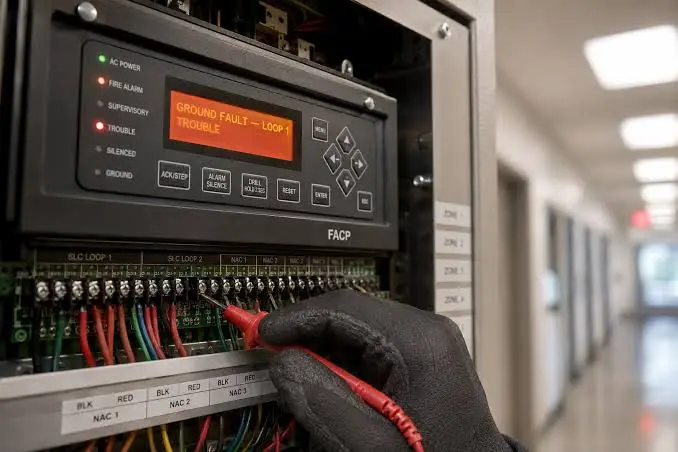
It is 7 AM. A yellow light is glowing on the fire alarm panel and a small buzzer is chirping every few seconds. Nobody is evacuating, nothing is on fire, but everyone who walks past asks the same question: “Is that something we should worry about?” The answer is yes, though not in the way
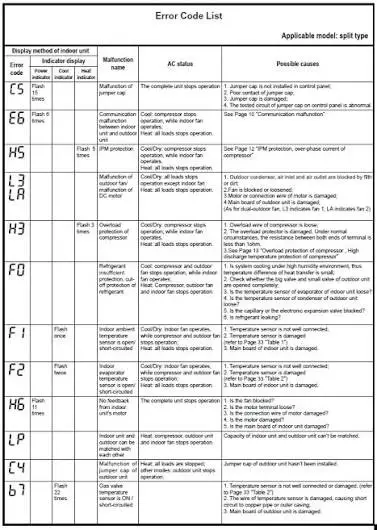
The call usually comes at the worst moment: a hot afternoon, a full building, and a chiller display showing a code nobody on shift recognises. Someone presses reset. It runs for ten minutes and trips again. By the time a contractor arrives, the original fault has been cleared and re-triggered so many times that the
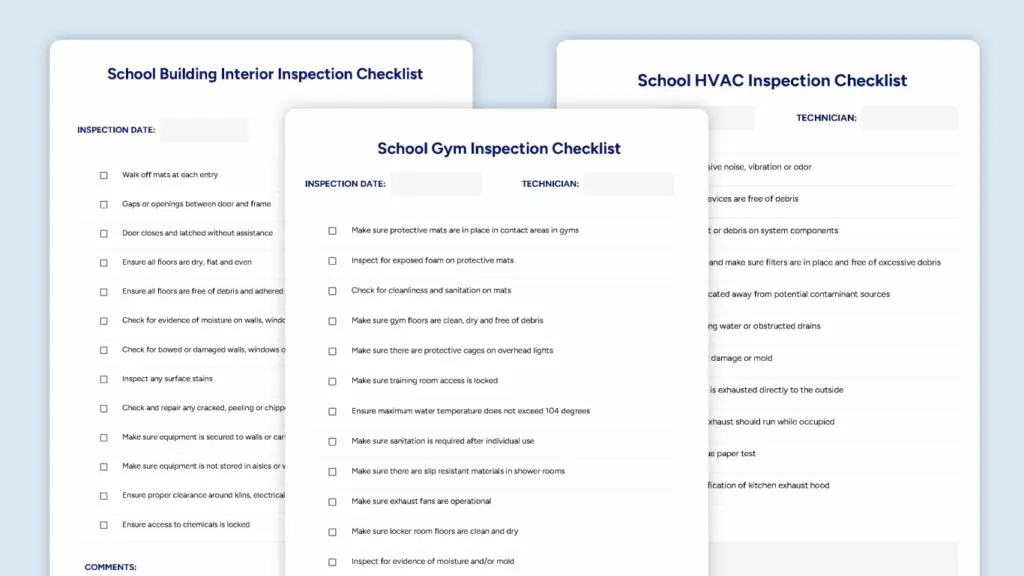
Most school facilities teams have a checklist somewhere. It might be a laminated sheet on a clipboard, a spreadsheet inherited from a former colleague, or a PDF downloaded years ago. The problem is rarely that no checklist exists. The problem is that nobody is sure it covers the right things, at the right frequency, with
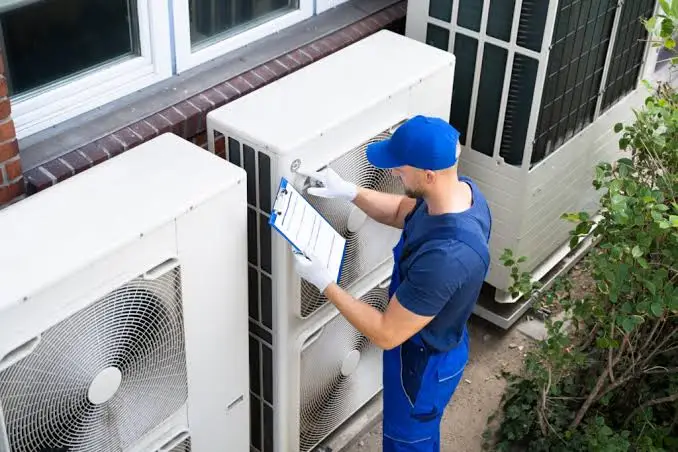
Ask a district facilities director what keeps them up at night and the answer is rarely one dramatic failure. It is the slow pile-up of small things: a filter change pushed back a month, a fire alarm test logged on paper and then lost, a roof drain nobody checked before the autumn rain. Each one
A school building has to work on the first day of term, whatever happened over the summer. The cooling system that was “mostly fine” in June has to run through September heat. The fire alarm has to pass its inspection with paperwork to show for it. The hot water has to reach 120°F, and the
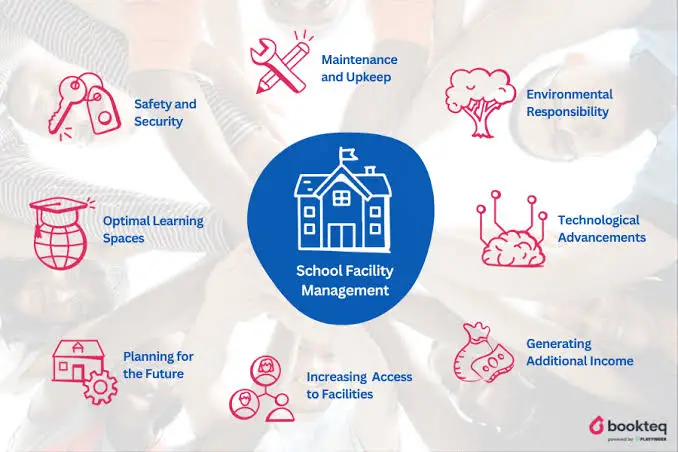
Walk through almost any school, college, or university campus and you’ll find the same quiet tension: buildings that need constant attention, and teams that never have quite enough budget, staff, or hours to give it to them. Educational facility maintenance sits at the center of that tension, because a campus is not just real estate.
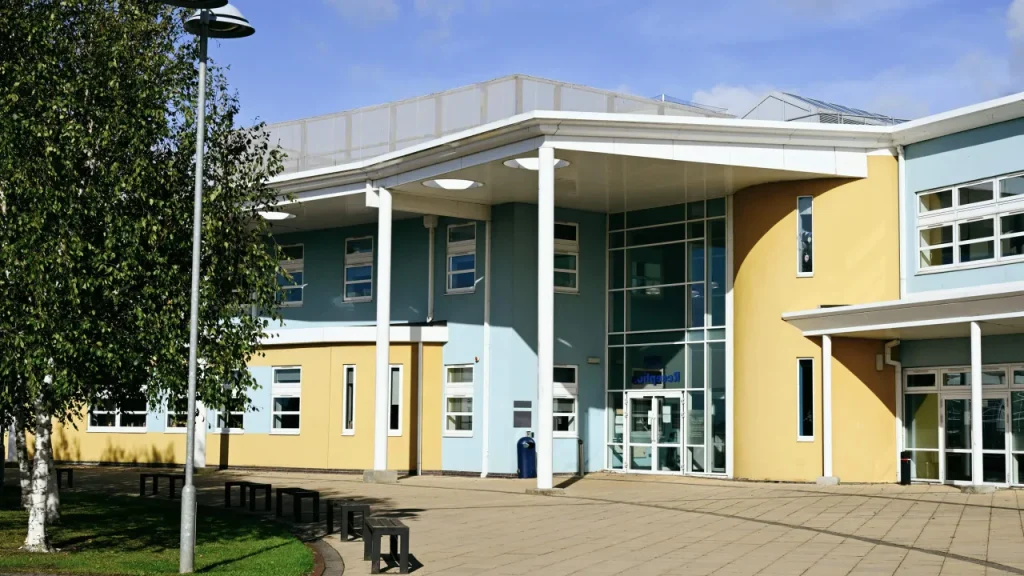
Parents at a private school are paying for more than instruction. They are paying for an environment: a warm classroom in January, a gym floor without soft spots, a science lab that passes inspection, and a campus that looks cared for on tour day. Because of that, private school facility maintenance is closely tied to
Preventive maintenance is often discussed as though it exists on its own: a set of tasks, an interval, a checklist, a technician. But in any facility with more than a few dozen assets, PM doesn’t function in isolation. It sits on top of something larger — a structured record of every asset, where it lives,

Ask five facilities managers to define scheduled maintenance and preventive maintenance and you’ll likely get five slightly different answers. Some use the terms interchangeably. Some treat scheduled maintenance as a subset of preventive maintenance. Others draw a hard line between them based on how the work is triggered. The confusion is understandable, because both terms