
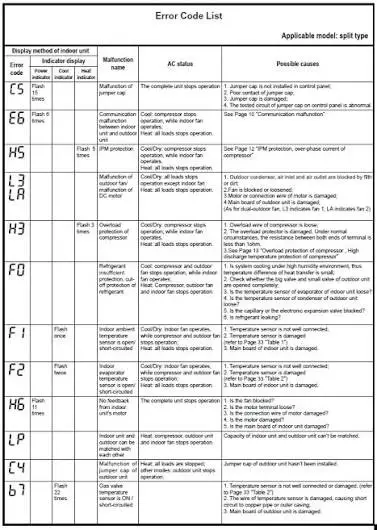
The call usually comes at the worst moment: a hot afternoon, a full building, and a chiller display showing a code nobody on shift recognises. Someone presses reset. It runs for ten minutes and trips again. By the time a contractor arrives, the original fault has been cleared and re-triggered so many times that the
Category Archives: Uncategorized
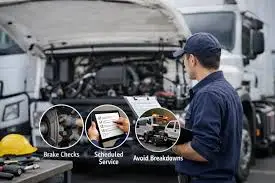
Ask five facilities managers to define scheduled maintenance and preventive maintenance and you’ll likely get five slightly different answers. Some use the terms interchangeably. Some treat scheduled maintenance as a subset of preventive maintenance. Others draw a hard line between them based on how the work is triggered. The confusion is understandable, because both terms
Every facilities and maintenance leader eventually asks the same question: is our maintenance program actually working, or are we just reacting to whatever breaks next? The answer usually comes down to one thing — whether preventive maintenance (PM) is genuinely built into how the team operates, or whether it exists only on paper. Preventive maintenance
Most maintenance teams don’t decide to start a preventive maintenance program on a calm Tuesday. They decide it at 2 a.m., standing next to a machine that just went down for the third time this quarter, wondering why nobody caught it sooner. That moment is usually the easy part. Knowing how to start a preventive
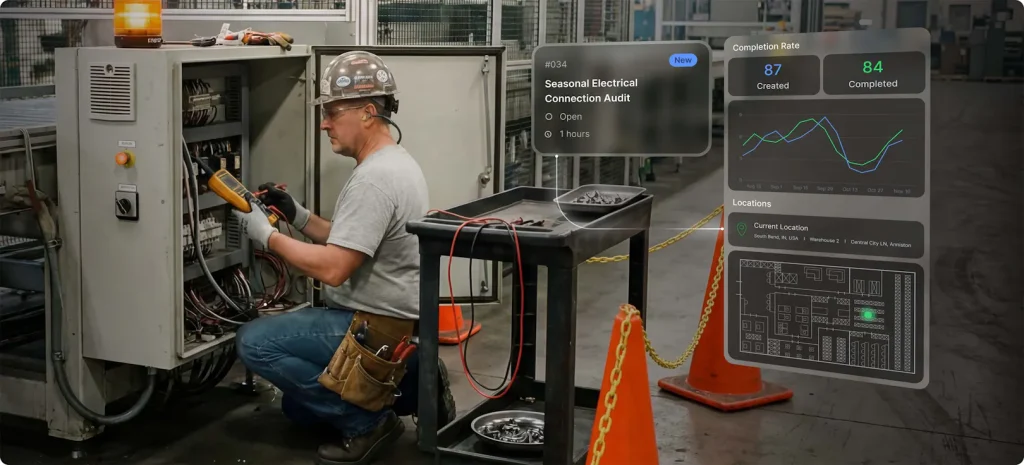
Facilities and maintenance teams spent the last few years asking what AI could do for them. Sort urgent work orders. Predict equipment failure. Summarize technician notes. That question is quickly being joined by a harder one: what will regulators require AI to do, document, and prove before facilities teams can rely on it at all.

Physical assets are the foundation of every building’s operational capability. HVAC systems, electrical infrastructure, lifts, fire suppression equipment, plumbing networks, and the hundreds of other components that keep a modern facility functional represent significant capital investment and ongoing operational cost. How well those assets are tracked, maintained, and managed across their entire lifecycle determines whether
CMMS, Facilities Management, Uncategorized
What is IWMS Software? A Complete Guide for Facility Managers
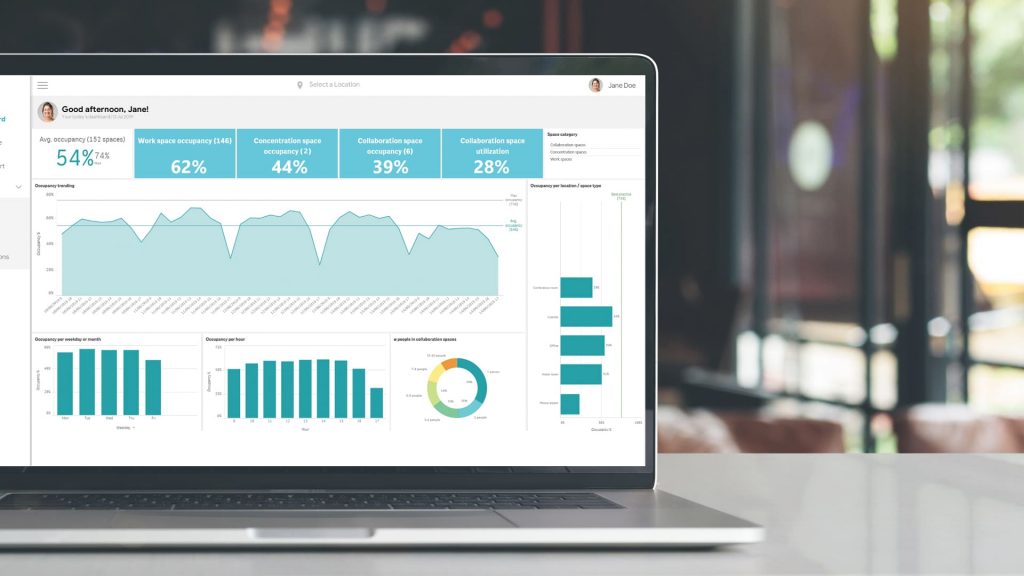
If you manage a building, a portfolio of properties, or a facilities team in Singapore, chances are you have encountered the term IWMS — and wondered whether it is the solution your operation has been missing. As buildings grow more complex, regulatory requirements tighten, and occupant expectations rise, the tools that facility managers rely on
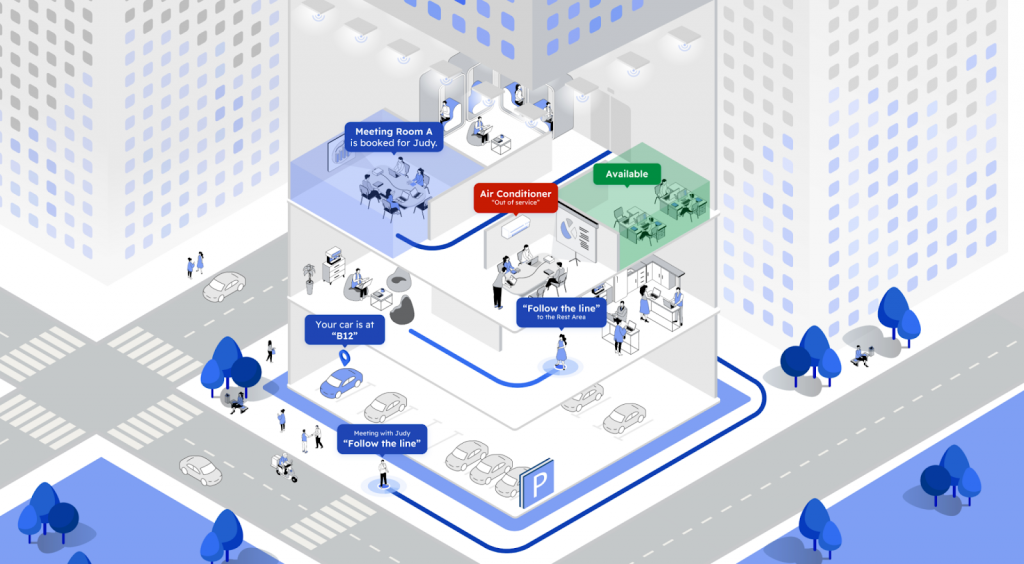
Every facility is different. A hospital operates under entirely different constraints than a commercial office tower. A university campus has maintenance rhythms that bear no resemblance to those of an industrial park. Yet for years, facilities management software offered a one-size-fits-all approach — rigid workflows that forced organisations to adapt their operations to the software
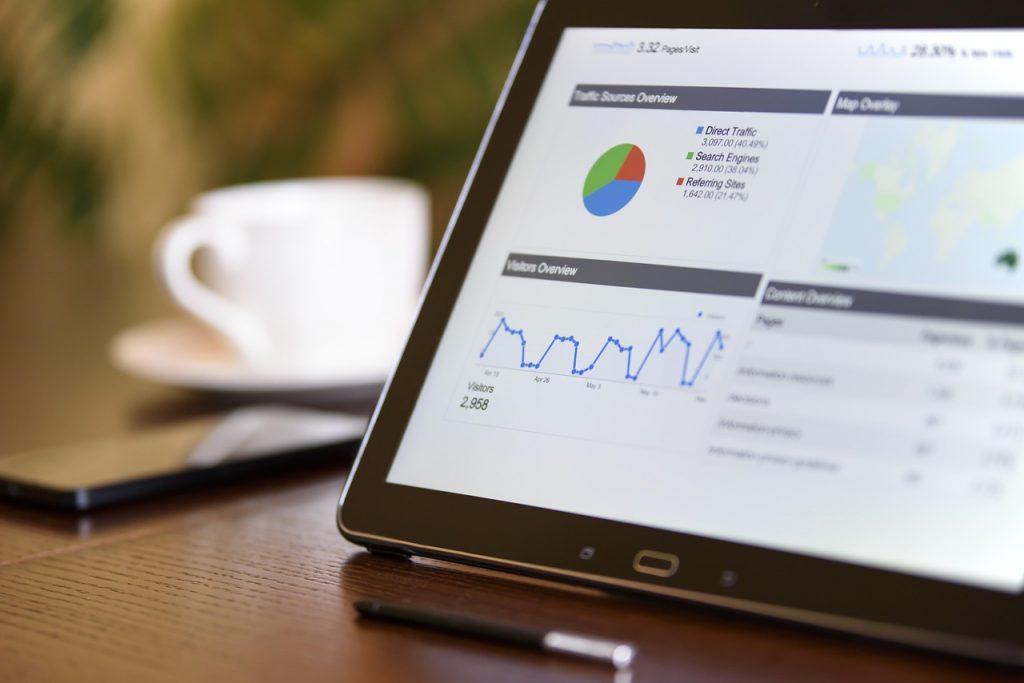
Workplace safety has always been a top priority for organizations, especially in high-risk industries such as construction, manufacturing, oil & gas, healthcare, and facilities management. In Singapore—where regulatory compliance and workplace safety standards are strictly enforced—companies must adopt smarter systems to manage operational risks effectively. Traditional paper-based permit-to-work processes are no longer sufficient. Manual approvals,

Security is more than just having a presence at the door—it’s about protecting people, property, and business continuity. From commercial office buildings and construction sites to retail stores, residential complexes, and private events, Chicago businesses rely on professional security guard companies to maintain safety and reduce risk. To help facility managers, property owners, and business