
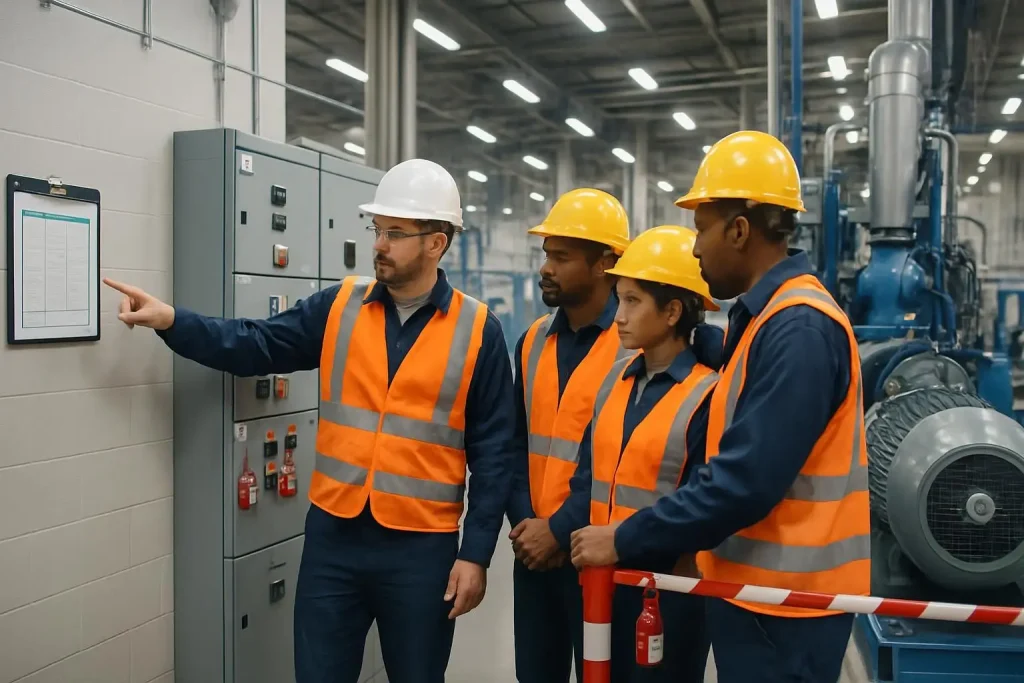
Use this practical toolbox meeting agenda to brief maintenance crews, record attendance, manage hazards, and track safety actions.
Category Archives: CMMS
CMMS, Facilities Management
Standard Operating Procedure Template for Facilities: Format, Examples and Digital Approval Workflow
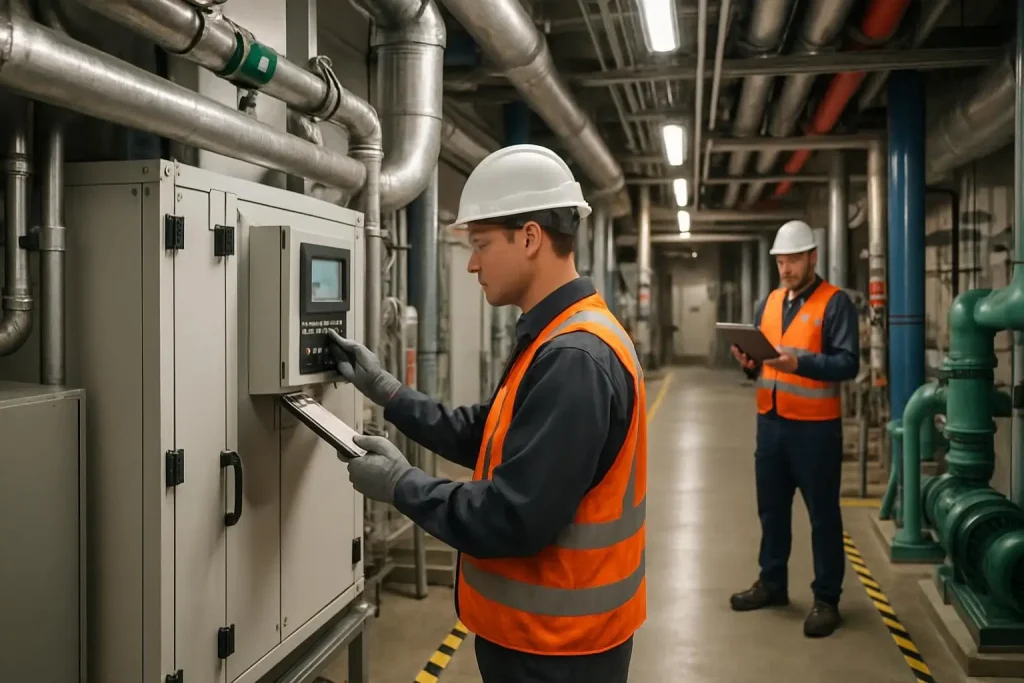
Use this facilities SOP template to standardise inspections, maintenance and approvals, then turn procedures into auditable digital checklists.
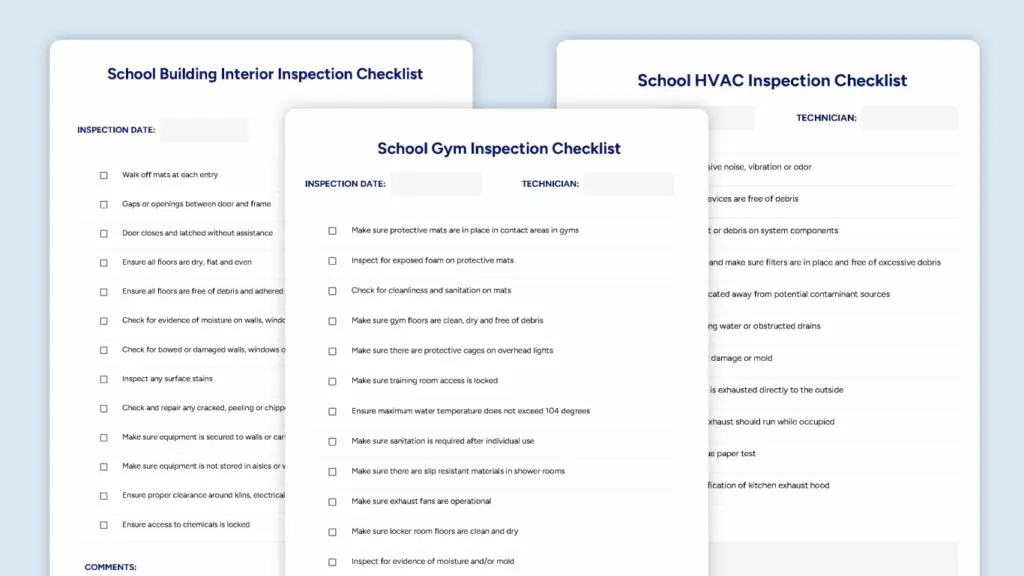
Most school facilities teams have a checklist somewhere. It might be a laminated sheet on a clipboard, a spreadsheet inherited from a former colleague, or a PDF downloaded years ago. The problem is rarely that no checklist exists. The problem is that nobody is sure it covers the right things, at the right frequency, with
CMMS, Facilities Management
FMEA for Facility Assets: Using Failure Mode and Effects Analysis to Improve Preventive Maintenance
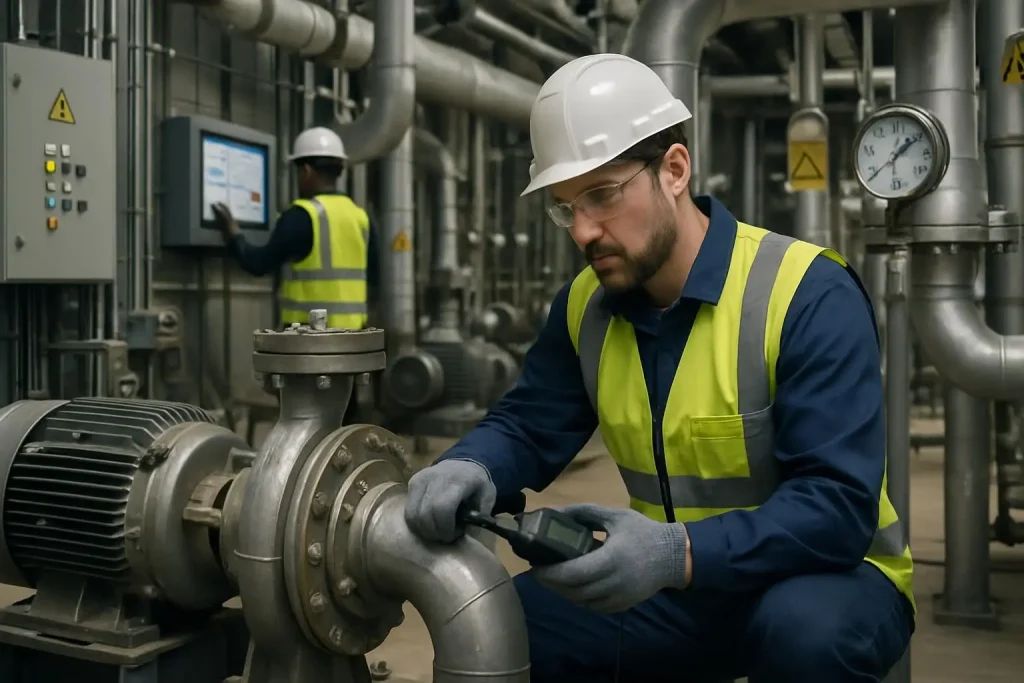
Learn how facility teams use FMEA to identify asset risks, create inspection tasks, and prioritise preventive maintenance work orders.
CMMS, Facilities Management
Workplace Safety and Health (WSH): Identifying Unsafe Acts and Unsafe Conditions in Facility Operations
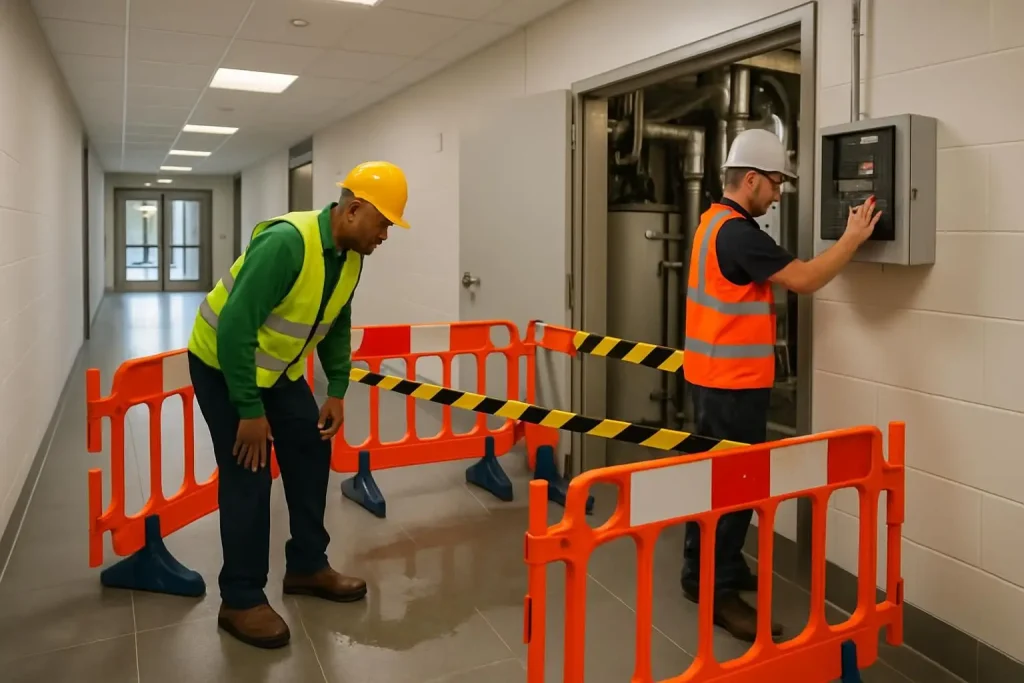
Learn the WSH meaning, how to identify unsafe acts and unsafe conditions, and how facility teams can report, correct, and track hazards.
CMMS, Facilities Management
Good Manufacturing Practice (GMP) Facility Inspections: Digital Checklists for Audit-Ready Operations

Learn how digital GMP inspection checklists, CAPA workflows, and audit trails help manufacturing facilities create audit-ready operations.
CMMS, Facilities Management
Smart Toilet Management System: From IoT Sensor Alerts to Cleaning Work Orders
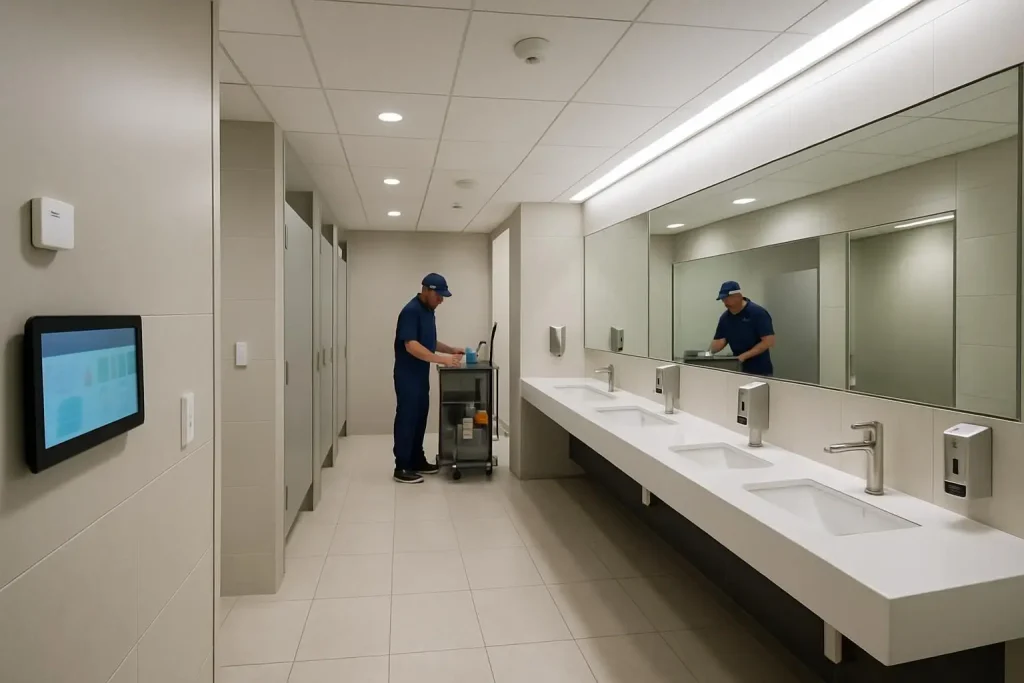
Learn how smart toilet sensors trigger, route, evidence and report washroom cleaning work orders with an IoT smart toilet management system.

Learn how e-PTW and e-Permit workflows improve risk controls, approvals, audit trails, and contractor safety in industrial facilities.
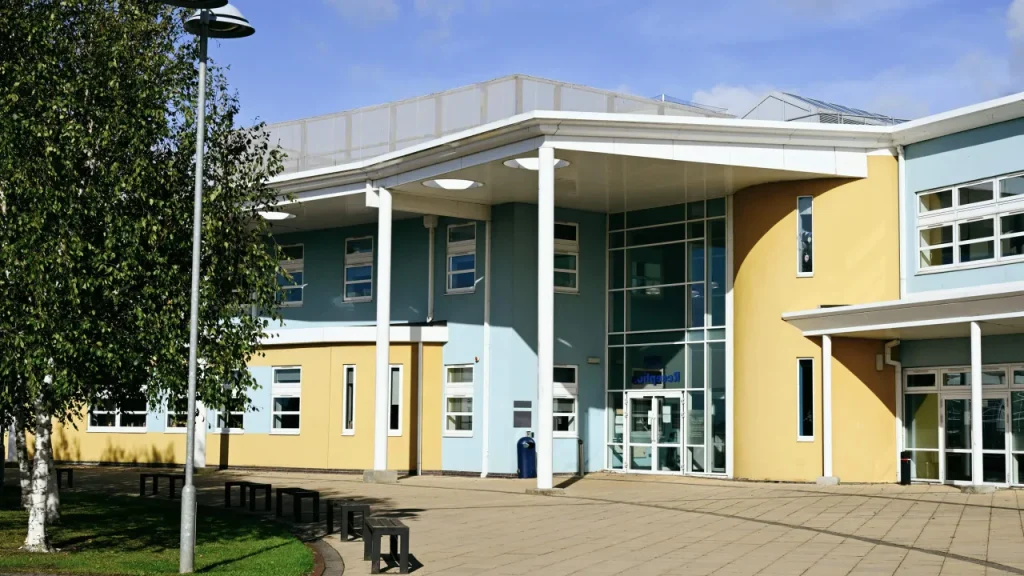
Parents at a private school are paying for more than instruction. They are paying for an environment: a warm classroom in January, a gym floor without soft spots, a science lab that passes inspection, and a campus that looks cared for on tour day. Because of that, private school facility maintenance is closely tied to
CMMS, Facilities Management
BMS Building Management System and Asset System Management for Data-Centre Power and Energy Performance
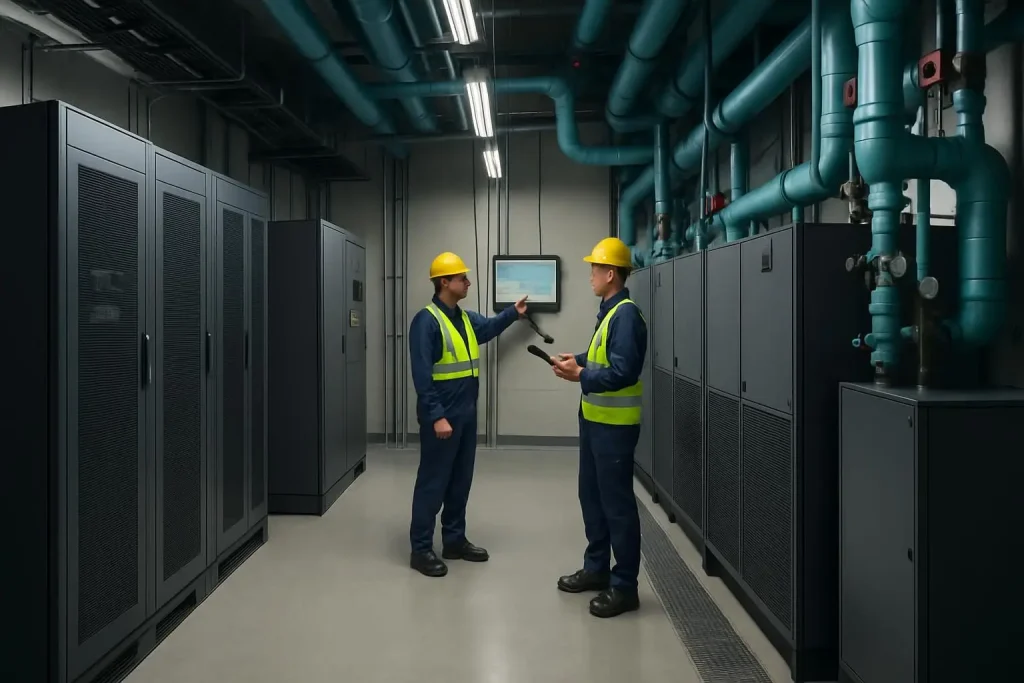
Connect BMS data, asset system management and preventive maintenance to protect data-centre power availability and energy performance.