
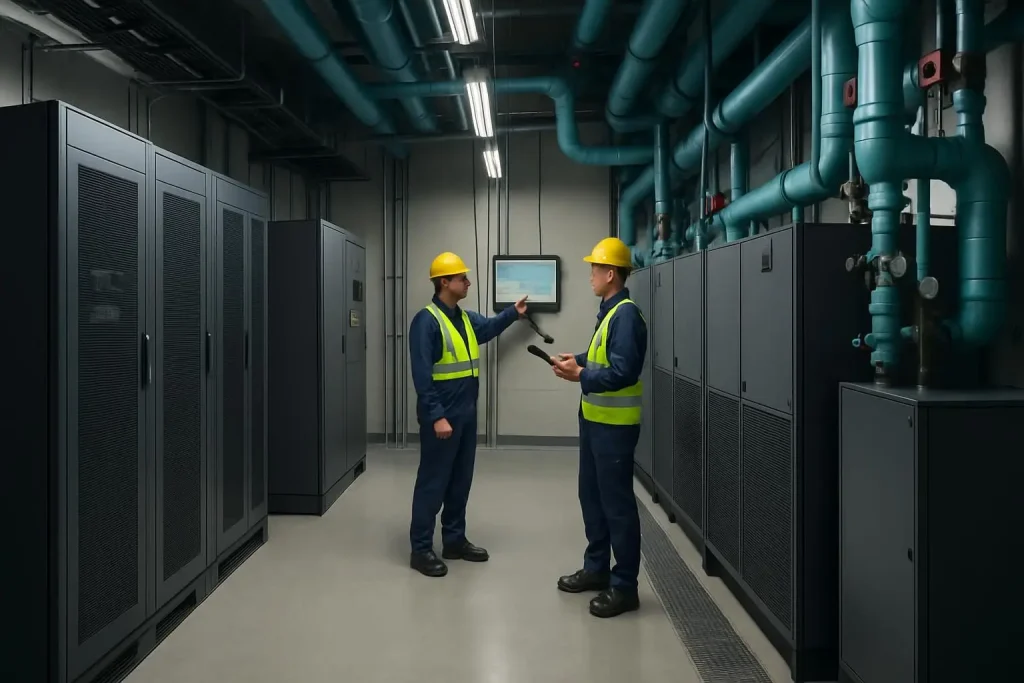
Connect BMS data, asset system management and preventive maintenance to protect data-centre power availability and energy performance.
Category Archives: CMMS

Learn what CMMS software is, how manufacturing teams use it, and how to choose a system for maintenance planning, safety, inspections, and uptime.

Preventive maintenance is often discussed as though it exists on its own: a set of tasks, an interval, a checklist, a technician. But in any facility with more than a few dozen assets, PM doesn’t function in isolation. It sits on top of something larger — a structured record of every asset, where it lives,
CMMS, Facilities Management
Facility Management Solutions: What to Look for in Messaging-First Software
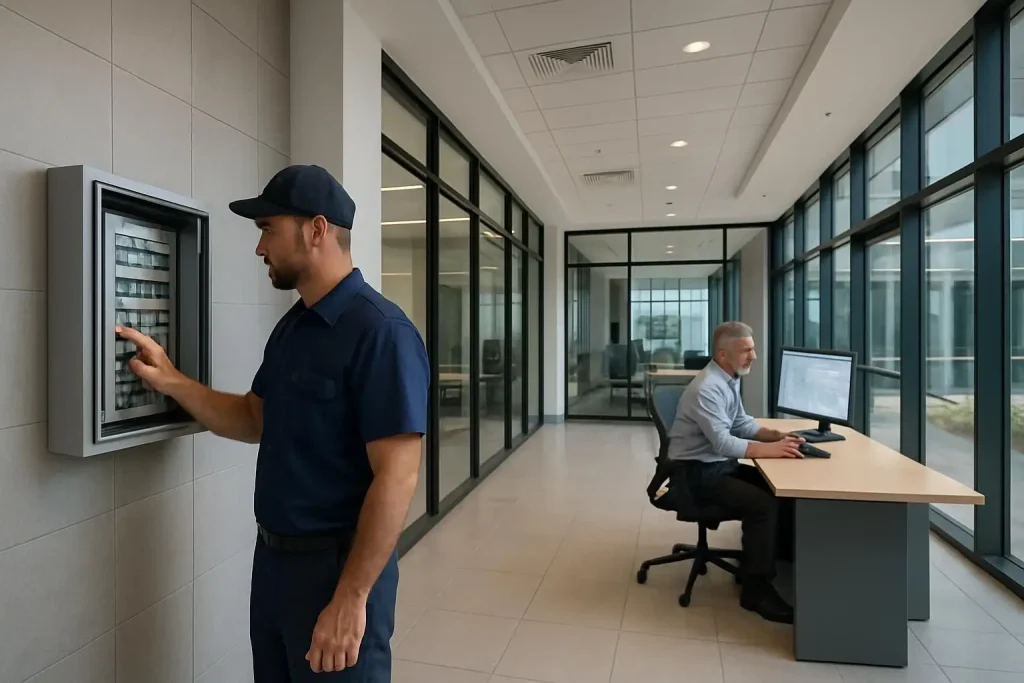
Learn what to look for in messaging-first facility management software that connects fault reporting, work orders, inspections and maintenance.
CMMS, Facilities Management
Safety Management System and Permit-to-Work Controls for Data-Centre Maintenance
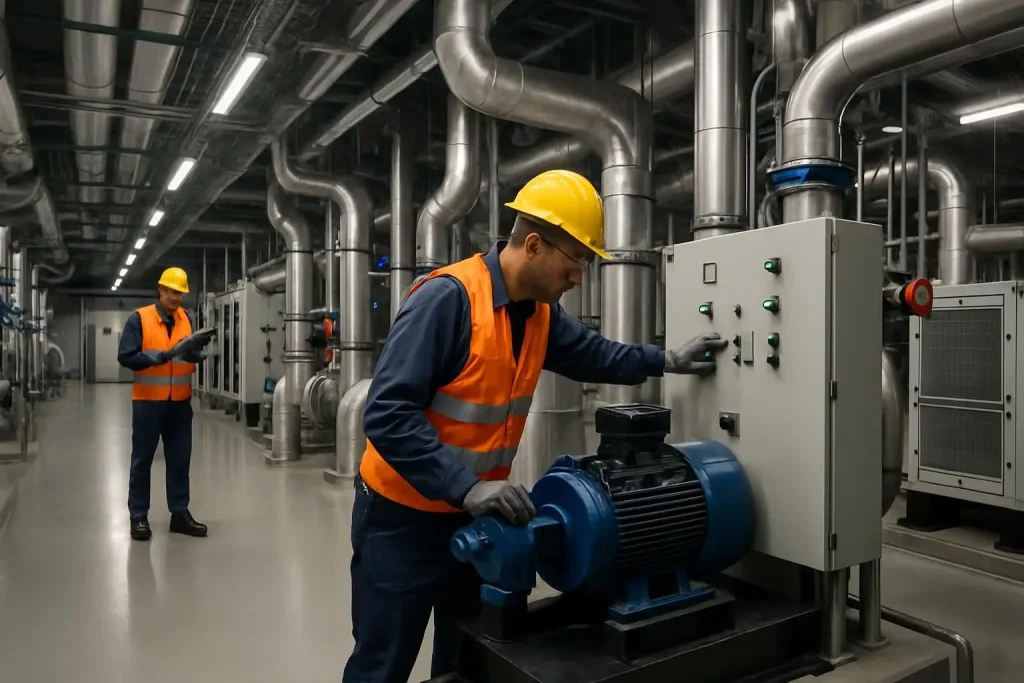
Build a safer, auditable data-centre maintenance workflow with e-Permit to Work, digital checklists, controlled work orders and CMMS records.
CMMS, Facilities Management
CMMS vs Enterprise Asset Management: Choosing Software for Facilities Teams
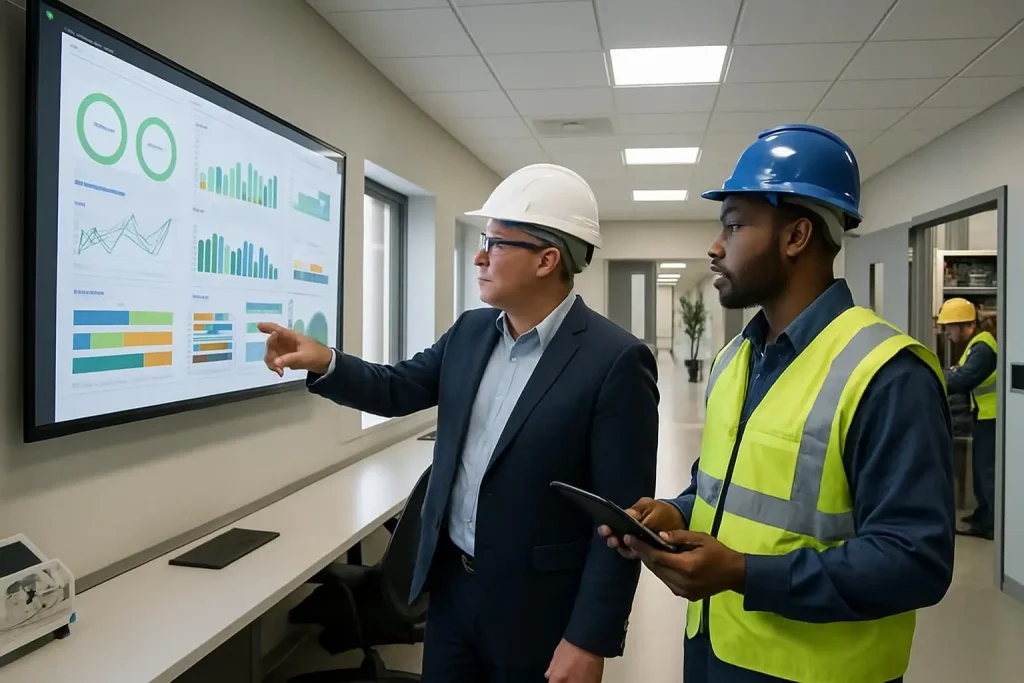
Learn the practical difference between CMMS and enterprise asset management software, and how facilities teams can connect asset and work-order workflows.

Ask any maintenance manager whether preventive maintenance is worth doing, and you’ll get the same answer every time: obviously. Nobody argues against catching a worn bearing before it seizes, or replacing a cracked belt before it snaps mid-shift. The importance of preventive maintenance isn’t really up for debate. And yet, pull the actual work order
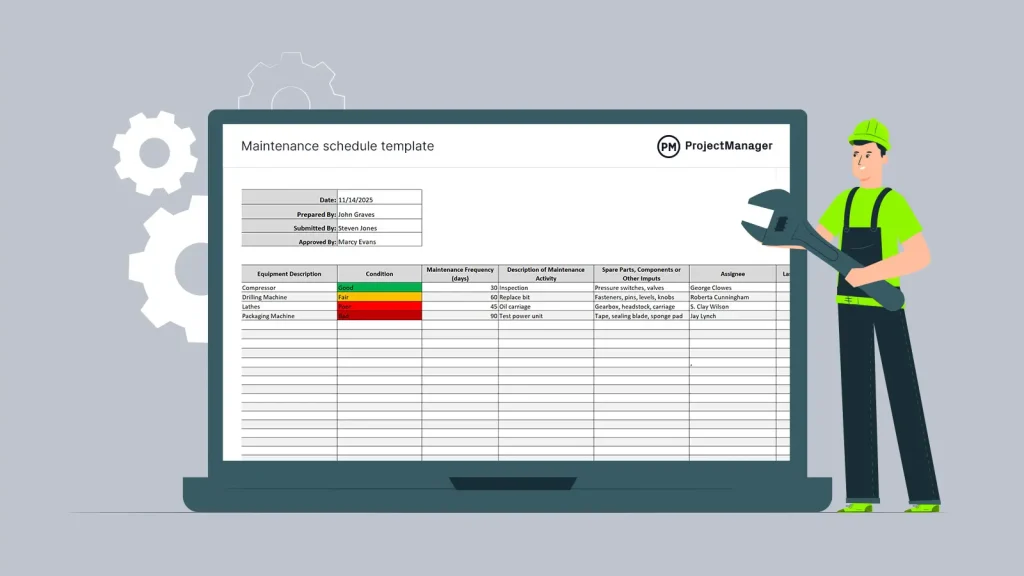
A blank spreadsheet is usually where a maintenance manager starts when they’re told to “get PM under control.” It rarely stays blank for long, and it rarely stays useful for long either. Rows get added ad hoc, columns get repurposed, and within a few months nobody fully trusts what’s on the sheet. The fix isn’t
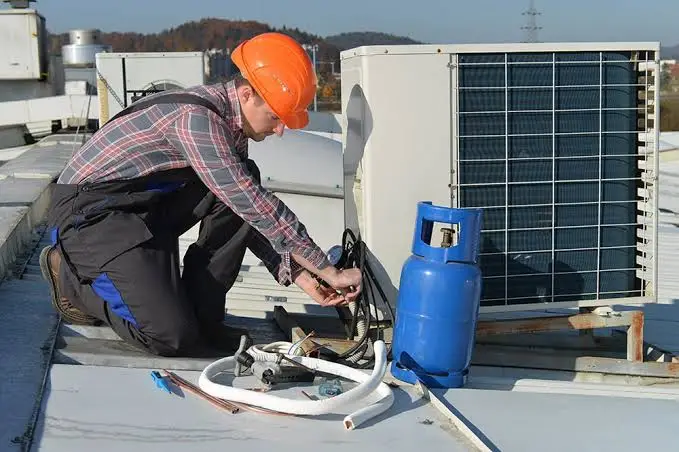
Somewhere in your maintenance records is a piece of equipment that has failed the same way three times this year. Each time, someone patched it, logged the repair, and moved on to the next fire. Nobody stopped to ask why a “preventive” program let the same failure happen three times, because nobody had time to
CMMS, Facilities Management
Incident Reporting and Fault Reporting: Creating Faster, Auditable Response Workflows in Healthcare
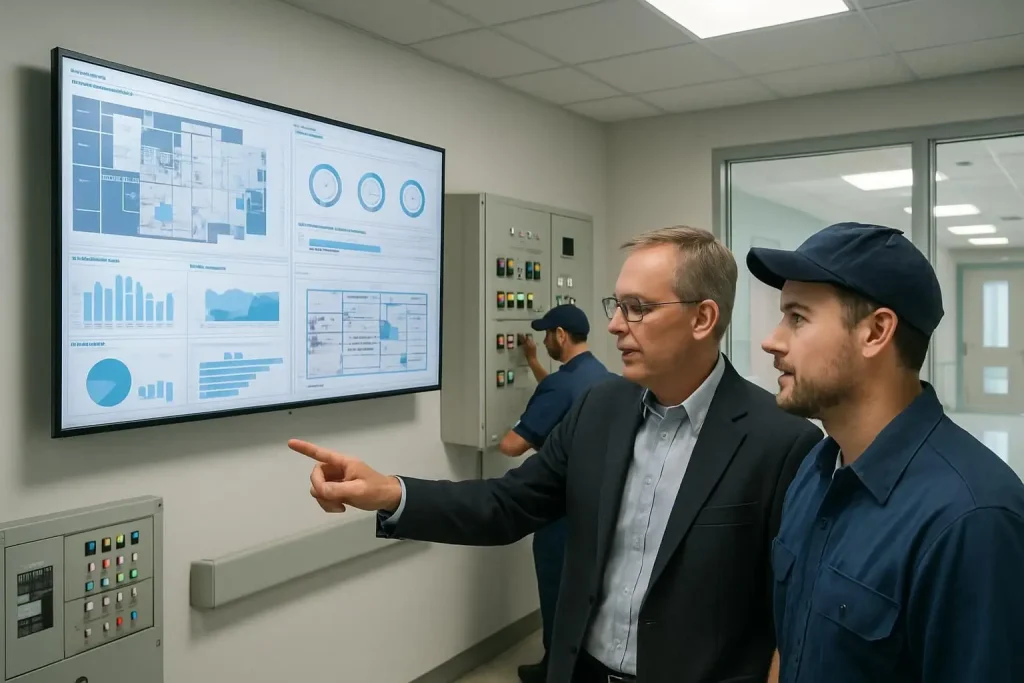
Learn how healthcare facilities can report incidents and faults faster, route work correctly, and maintain audit-ready resolution records.