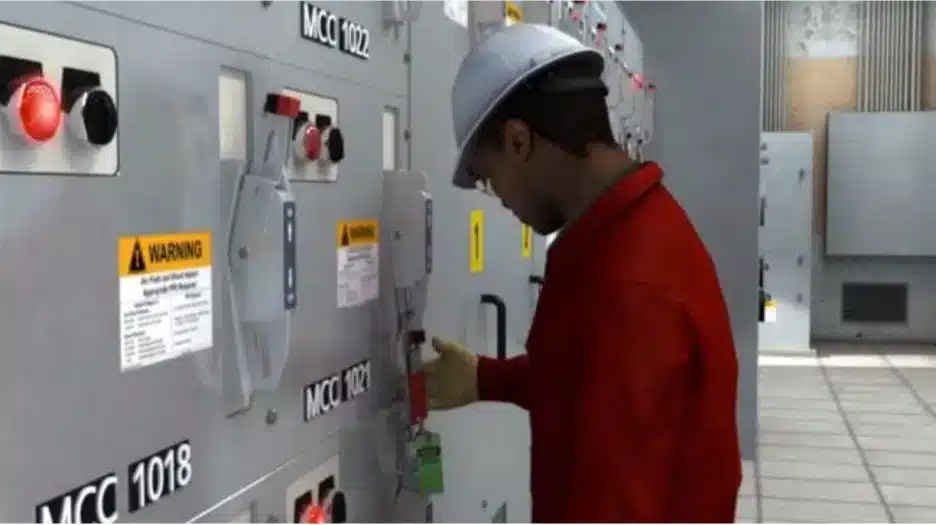
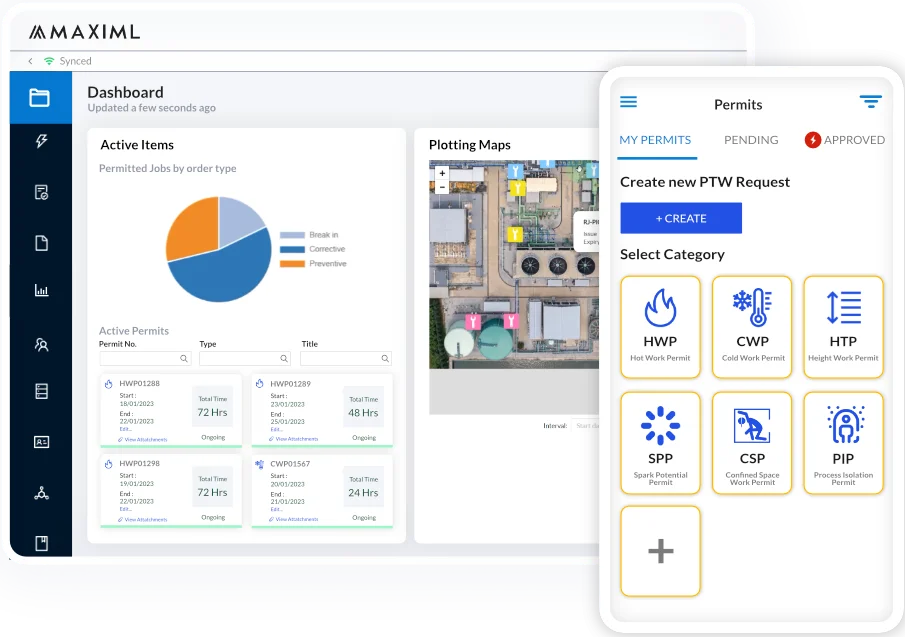
Workplace safety and regulatory compliance are top priorities for facility managers, especially in industries that involve high-risk activities such as electrical maintenance, confined space entry, hot work, and working at heights. Traditionally, organizations relied on paper-based permit-to-work (PTW) systems to authorize such tasks. However, manual processes often lead to delays, missing documentation, and compliance gaps.
This is where e-Permit to Work (ePTW) software comes in. By digitizing the permit process, organizations can streamline safety procedures, improve regulatory compliance, and ensure they are always ready for internal and external audits. Modern facility management platforms such as FacilityBot, one of the best CMMS solutions in Singapore, integrate ePTW capabilities to help organizations maintain safer and more compliant workplaces.
In this article, we will explore how e-permit to work software improves compliance and audit readiness while strengthening operational efficiency.
What Is e-Permit to Work Software?
An e-Permit to Work system is a digital platform that manages the complete lifecycle of work permits—from request and risk assessment to approval, execution, and closure. Instead of using physical forms and manual approvals, organizations can create, review, and track permits digitally in a centralized system.
The software ensures that all safety checks, hazard assessments, and approvals are completed before work begins, helping organizations enforce strict safety procedures and regulatory standards.
Digital PTW systems are commonly used in industries such as:
- Facilities management
- Construction
- Oil and gas
- Manufacturing
- Utilities and infrastructure
By integrating with CMMS and asset management platforms, ePTW software enables facility managers to control hazardous work more effectively while maintaining complete compliance records.
Why Compliance and Audit Readiness Matter
Regulatory bodies such as OSHA and other safety authorities require organizations to maintain strict safety documentation and operational controls. Non-compliance can result in:
- Heavy financial penalties
- Legal consequences
- Workplace accidents
- Operational shutdowns
Compliance is not just about avoiding fines—it is about protecting workers, assets, and organizational reputation. Digital permit-to-work systems help organizations proactively manage risks and demonstrate compliance with safety regulations.
Key Ways e-Permit to Work Software Improves Compliance
1. Standardized Safety Procedures
One of the biggest challenges in traditional permit systems is inconsistency. Different departments may use different forms, safety checks, or approval procedures.
ePTW software standardizes the entire permit process through:
- Predefined permit templates
- Built-in risk assessment forms
- Mandatory safety checklists
- Configurable workflows
These standardized procedures ensure that every task follows the same compliance guidelines before work begins. Digital systems also prevent incomplete permits from being approved, reducing the risk of unsafe operations.
2. Automated Approval Workflows
Manual permit approvals can be slow and prone to errors. Paper forms often move across departments, causing delays and increasing the chances of missed approvals.
ePTW systems automate this process by:
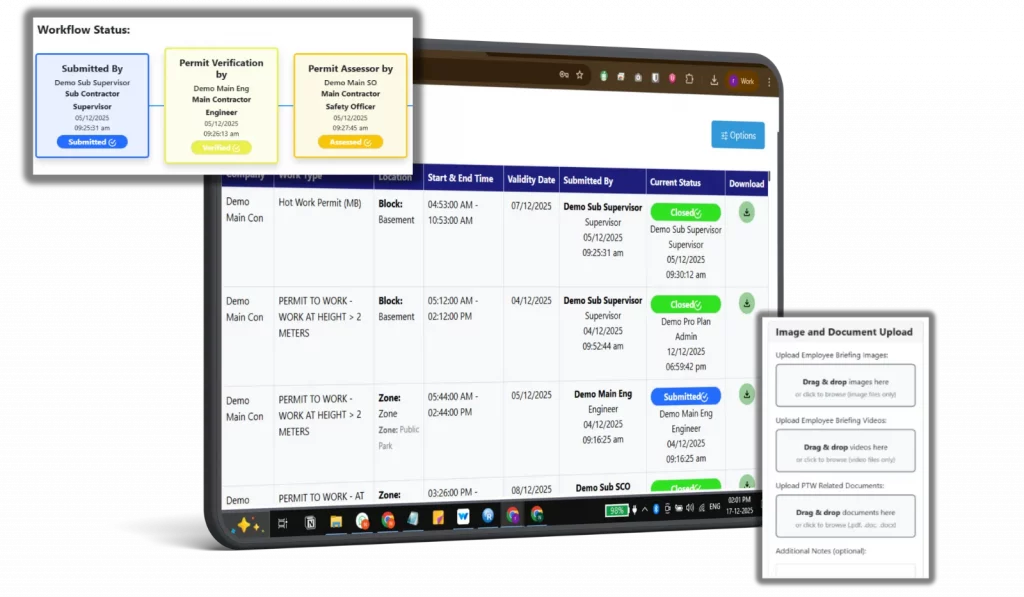
- Routing permits to the correct supervisors
- Sending automated notifications
- Allowing digital approvals and signatures
- Escalating pending approvals
This automation ensures that every permit goes through the correct approval chain while maintaining full compliance with safety policies.
As a result, organizations can speed up operations without compromising regulatory requirements.
3. Real-Time Monitoring of Work Activities
A major compliance risk occurs when managers lack visibility into ongoing work activities. Paper-based systems make it difficult to track which permits are active or expired.
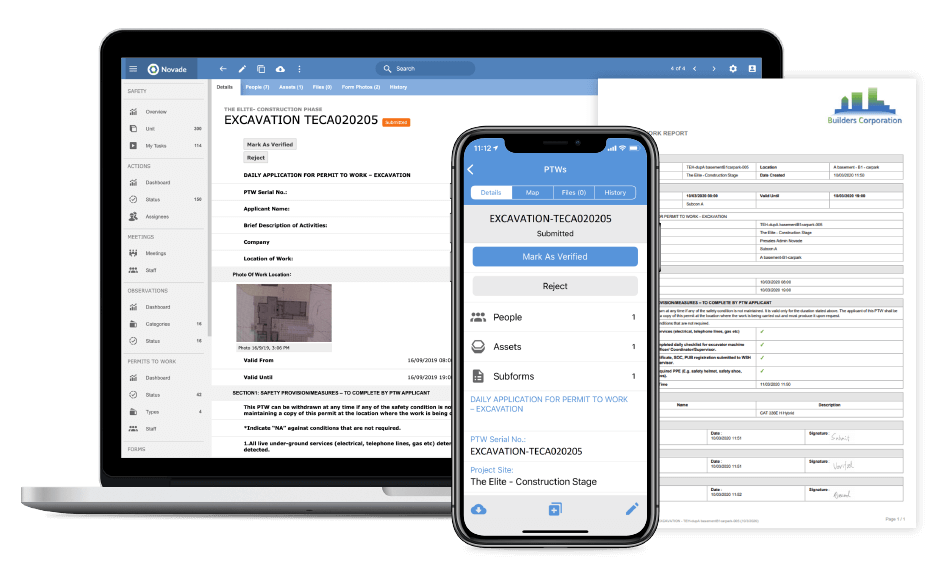
ePTW software solves this by providing:
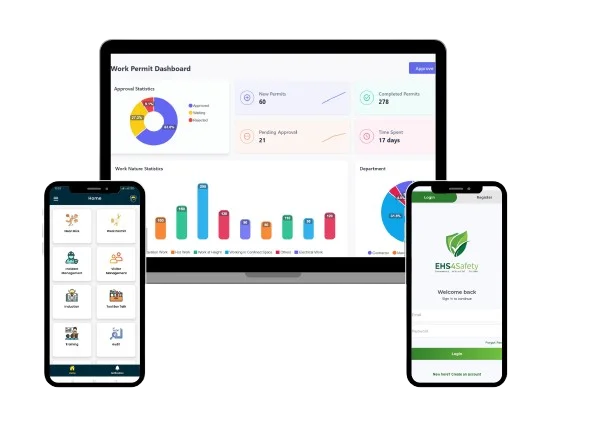
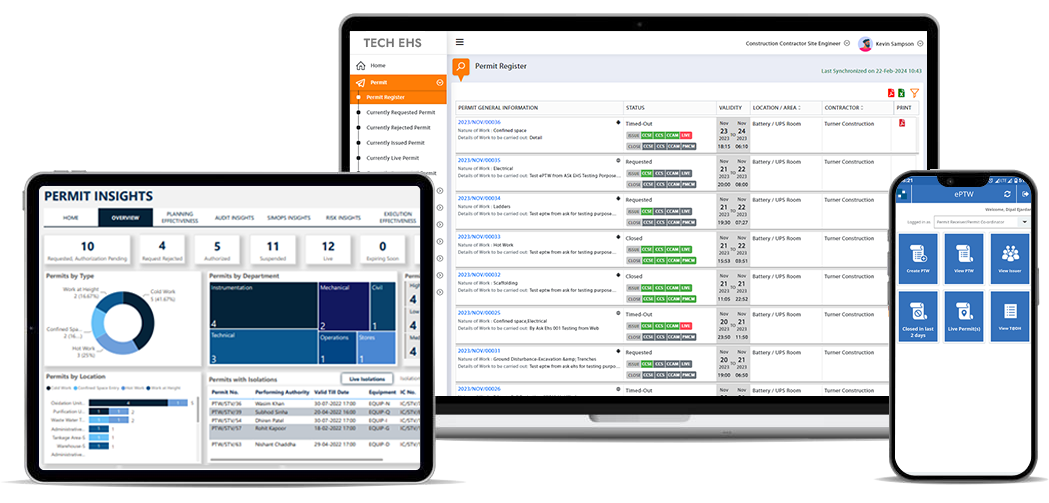
- Real-time dashboards
- Live permit tracking
- Notifications for expired permits
- Monitoring of concurrent high-risk tasks
Supervisors can quickly identify safety risks and ensure that work activities comply with operational guidelines.
Real-time monitoring also helps prevent overlapping hazardous activities and improves coordination across teams.
4. Comprehensive Digital Audit Trails
Audits require detailed documentation of safety procedures, approvals, and work activities. With paper-based permits, retrieving historical records can be time-consuming and incomplete.
Electronic permit systems automatically create digital audit trails that include:
- Permit requests
- Approval records
- Safety inspections
- Digital signatures
- Time-stamped actions
Every activity within the system is recorded and stored securely, providing organizations with a reliable compliance history.
These digital records make it easier to demonstrate regulatory compliance during inspections or internal audits.
5. Centralized Documentation and Data Management
Another major benefit of ePTW systems is centralized documentation.
All permit-related data—such as risk assessments, safety procedures, and inspection reports—is stored in one system. This centralization ensures that compliance information is always accessible.
Benefits include:
- Faster document retrieval during audits
- Secure storage of safety records
- Easy sharing of information across departments
- Consistent compliance reporting
Having centralized documentation significantly improves audit readiness, allowing safety teams to quickly provide proof of compliance when required.
6. Improved Accountability and Transparency
In manual permit systems, it can be difficult to identify who approved a task or when certain safety checks were completed.
ePTW software increases accountability by recording:
- User roles and responsibilities
- Approval timestamps
- Comments and safety notes
- Permit modifications
This transparency ensures that organizations maintain clear responsibility for every safety-related action.
It also helps safety teams investigate incidents and identify potential compliance gaps more efficiently.
7. Automated Compliance Reporting
Preparing compliance reports manually can take hours or even days. Digital permit-to-work systems simplify this process by automatically generating reports based on system data.
These reports may include:
- Permit activity summaries
- Safety incident records
- Compliance performance metrics
- Inspection readiness reports
With automated reporting, organizations can monitor compliance trends and continuously improve their safety programs.
The Role of CMMS in e-Permit to Work Systems
Integrating ePTW software with a Computerized Maintenance Management System (CMMS) significantly enhances operational control.
When ePTW is connected to a CMMS platform like FacilityBot, organizations can:
- Link permits to maintenance tasks
- Track assets involved in hazardous work
- Ensure maintenance activities follow safety procedures
- Maintain centralized operational records
This integration creates a holistic facility management ecosystem where safety, maintenance, and compliance processes work together seamlessly.
Why FacilityBot Is Ideal for Digital Permit Management
As one of the leading CMMS platforms in Singapore, FacilityBot helps organizations digitize safety workflows and improve compliance.
Key benefits include:
- Digital permit-to-work management
- Automated approval workflows
- Centralized safety documentation
- Real-time dashboards and reporting
- Seamless integration with maintenance operations
By using FacilityBot, facility managers can replace outdated paper processes with a modern, automated safety management system.
The Future of Compliance with Digital Permit Systems
As organizations continue to adopt digital transformation, e-Permit to Work software will become a standard tool for workplace safety and compliance management.
Future innovations in this space may include:
- AI-powered risk prediction
- IoT integration for real-time hazard monitoring
- Advanced analytics for compliance trends
- Mobile-first safety management systems
These advancements will further improve compliance, reduce workplace incidents, and simplify audit preparation.
Conclusion
Compliance and audit readiness are essential components of modern facility management. Traditional paper-based permit systems often struggle to keep up with regulatory requirements and operational complexity.
e-Permit to Work software provides a smarter solution by digitizing permit processes, standardizing safety procedures, and creating comprehensive audit trails.
With features such as automated workflows, real-time monitoring, centralized documentation, and digital reporting, organizations can significantly improve compliance while maintaining safer work environments.
Platforms like FacilityBot, the best CMMS software in Singapore, empower facility managers to implement modern safety practices and stay fully prepared for regulatory audits.
By adopting digital permit management, organizations not only enhance compliance but also build a proactive culture of workplace safety.