
Enterprise Asset Management (EAM) has evolved rapidly over the past decade, driven by digitalization, automation, and the increasing need for smarter operations. One of the most transformative advancements is the integration of the Internet of Things (IoT) into EAM platforms. IoT-enabled EAM gives organizations real-time visibility into asset health, performance, and utilization—allowing smarter, data-driven decision-making that reduces downtime, extends asset lifecycle, and optimizes maintenance budgets.
Today, sectors such as manufacturing, utilities, healthcare, transportation, and facilities management are embracing IoT-enabled EAM to achieve proactive maintenance strategies and near-zero unplanned failures. This article explores how IoT transforms traditional asset management and why it’s becoming a non-negotiable requirement for enterprises.
What is IoT-Enabled Enterprise Asset Management?
Traditional EAM systems rely on historical data, manual inspections, and preventive schedules. While useful, these approaches lack real-time insight into actual asset performance.
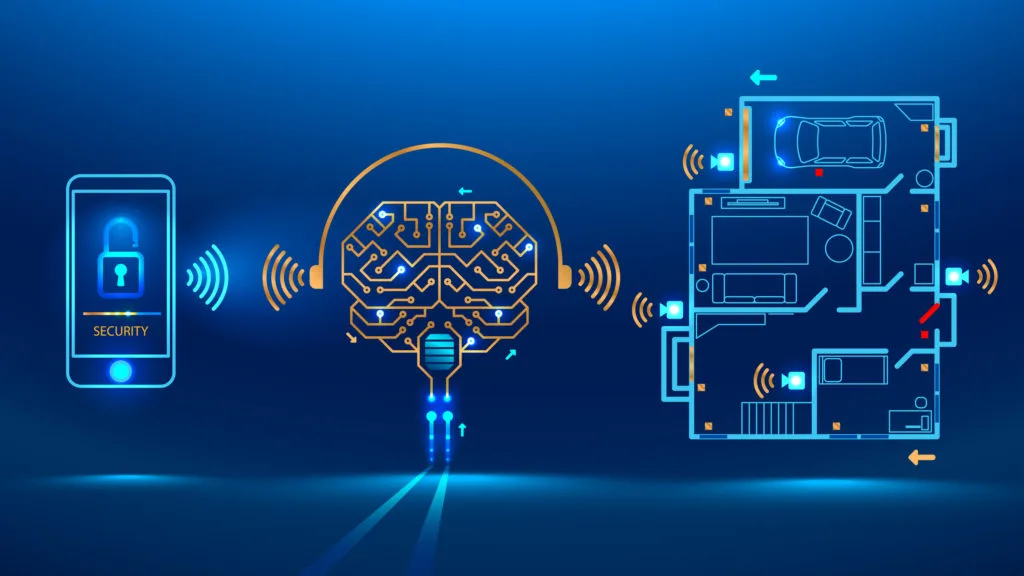
IoT-enabled EAM connects physical assets to sensors and digital networks, enabling continuous data collection on metrics such as:
- Temperature
- Vibration
- Pressure
- Location & usage
- Energy consumption
- Wear & tear indicators
The EAM system analyzes these data streams to assess asset health and trigger alerts, recommendations, or automated workflows.
This shift drives the evolution from preventive maintenance toward predictive and prescriptive maintenance, where failures are anticipated and prevented before they occur.
The Impact of Real-Time Monitoring on Asset Performance
Real-time monitoring is the cornerstone of IoT-enabled EAM. It enhances asset performance in several key ways:
1. Early Fault Detection
Sensors detect anomalies long before breakdowns occur. For example, excessive vibration in motors can indicate misalignment or bearing failure. In the past, such issues would be discovered during routine inspections—or worse, during costly breakdowns.
2. Reduction of Unplanned Downtime
Unplanned downtime is expensive and disruptive. IoT reduces it by enabling continuous oversight and predictive analytics that prevent surprises. According to industry benchmarks, predictive strategies can reduce unplanned downtime by up to 50%.
3. Data-Driven Maintenance Intervals
Instead of maintaining equipment based on fixed timelines, organizations can now maintain based on actual usage and condition. This reduces over-maintenance (wasted labor and parts) and under-maintenance (increased failure risk).

4. Optimization of Spare Parts and Inventory
Real-time insights help align inventory with failure patterns, eliminating unnecessary spare parts stock and reducing capital tied up in inventory.
5. Safety and Compliance Improvements
Many industries—from healthcare to energy—operate under strict compliance standards. IoT makes audits easier by automating data capture and documentation.
Enabling Predictive and Prescriptive Maintenance
Before IoT, maintenance strategies generally followed three models:
- Reactive — fix after failure
- Preventive — schedule routine maintenance
- Predictive — intervene based on condition
IoT-enabled EAM unlocks the highest stages:
- Predictive Maintenance (PdM) — forecasts failure based on sensor data
- Prescriptive Maintenance — recommends best response actions automatically
For example, instead of just predicting that a pump is likely to fail within 20 days, prescriptive systems may recommend:
- Replace the seal
- Reduce operating pressure
- Order new part
- Schedule technician during off-peak hours
These capabilities dramatically reduce downtime and maintenance costs.
Transforming Asset Lifecycle Management
IoT doesn’t just optimize individual maintenance actions—it improves the entire lifecycle from acquisition to disposal.
Procurement & Design Phase
IoT data reveals which assets perform better under real conditions, informing smarter purchasing and design specifications.
Operations Phase
Real-time data improves utilization. Idle equipment can be reassigned and overworked equipment balanced.
Lifecycle Extension
Continuous monitoring extends asset life by preventing stress, overheating, lubrication failure, and mechanical wear.
A study across industrial sectors shows predictive maintenance can extend asset life by up to 30% while reducing total cost of ownership (TCO).
Integration with Cloud and AI Technologies
IoT-enabled EAM gains additional power when integrated with:
- Cloud platforms for scalable data storage
- Artificial Intelligence (AI) for anomaly detection and forecasting
- Digital twins for simulation and modeling
- Mobile apps for field technician support
These integrations allow distributed teams to collaborate around real-time asset intelligence regardless of location.
Industries Benefiting from IoT-Enabled EAM
While IoT adoption is widespread, IoT-enabled EAM is especially transformational in:
- Manufacturing
- Oil & gas
- Utilities & energy
- Transportation & logistics
- Healthcare & pharmaceuticals
- Commercial buildings & facilities
- Smart cities & infrastructure
Each of these sectors depends on asset uptime, reliability, and compliance—making real-time monitoring a competitive necessity.
Challenges in Implementing IoT-Based EAM
Despite the benefits, organizations often face challenges such as:
- Legacy equipment not designed for sensors
- Integration complexity across disparate systems
- Data security and cybersecurity concerns
- Upfront investment in sensors and connectivity
However, falling sensor costs, improved interoperability standards, and cloud platforms are making adoption increasingly accessible.
How FacilityBot Supports Modern Asset Management
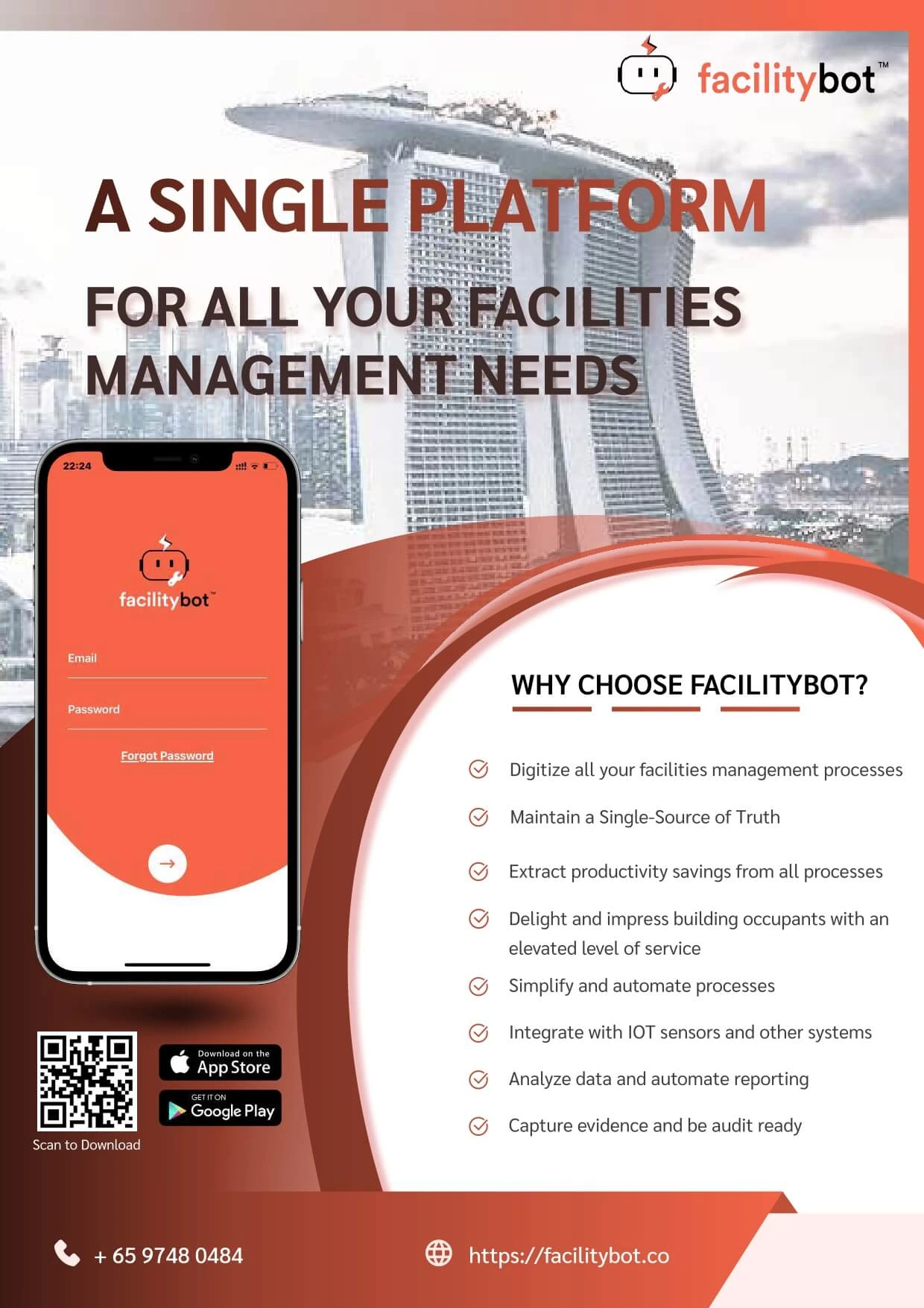
Modern facilities are adopting EAM systems that support IoT, automation, and real-time workflows. FacilityBot, a leading facility management and maintenance software platform, helps organizations digitize asset tracking, maintenance, and service requests through a unified interface.
With features such as:
- Asset condition monitoring
- Mobile inspection tools
- Preventive and predictive maintenance scheduling
- Vendor and contractor management
- Work order automation
FacilityBot enables organizations to gain visibility into asset performance and boost operational efficiency. When integrated with IoT devices, FacilityBot becomes even more powerful—allowing automatic fault detection, proactive maintenance alerts, and improved decision-making for facility managers.
The Future of IoT-Enabled EAM
Looking ahead, the next wave of IoT-enabled EAM innovation will focus on:
- Self-healing autonomous systems
- AI-driven digital twins
- Cross-enterprise asset ecosystems
- Sustainability and energy optimization
- Greater cyber-resilience
- Wider adoption in mid-market organizations
As assets become smarter and more connected, enterprises will shift toward asset ecosystems that not only report performance but also autonomously optimize it.
Conclusion
IoT-enabled EAM represents a major leap beyond traditional asset management approaches. Real-time monitoring enhances asset performance, reduces downtime, improves safety, and extends lifecycle value—while enabling predictive and prescriptive maintenance strategies.
Enterprises that adopt IoT-enabled EAM are not just optimizing maintenance—they’re building smarter, more resilient, and more sustainable operations. As platforms like FacilityBot and other EAM tools continue to integrate IoT and AI capabilities, the future of asset management will be defined by automation, intelligence, and continuous performance optimization.