As organizations modernize their operations, two systems often come up in discussions about maintenance and business management: CMMS (Computerized Maintenance Management Systems) and ERP (Enterprise Resource Planning). While both are essential for efficient operations, one of the most common questions facility managers ask is:
“Is CMMS an ERP?”
The short answer is no—a CMMS is not an ERP. However, the two systems can complement each other, and in many modern organizations they work together to improve productivity, asset reliability, and decision-making.
This article explores the differences between CMMS and ERP, their functions, where they overlap, and why purpose-built solutions like FacilityBot are critical for modern facility management.
1. What Is a CMMS?
A Computerized Maintenance Management System (CMMS) is software designed specifically to manage maintenance tasks, assets, equipment, and facility operations. Its focus is narrow but deep, giving facility teams the tools they need for:
- Work order management
- Preventive maintenance scheduling
- Asset lifecycle management
- Fault reporting
- Inventory and spare parts tracking
- Vendor and contractor coordination
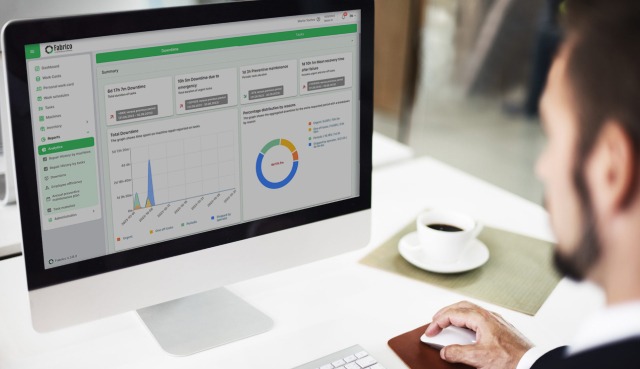
- Maintenance analytics and reports
A CMMS is purpose-built for maintenance and facilities management, enabling organizations to reduce downtime, extend asset life, and increase productivity.
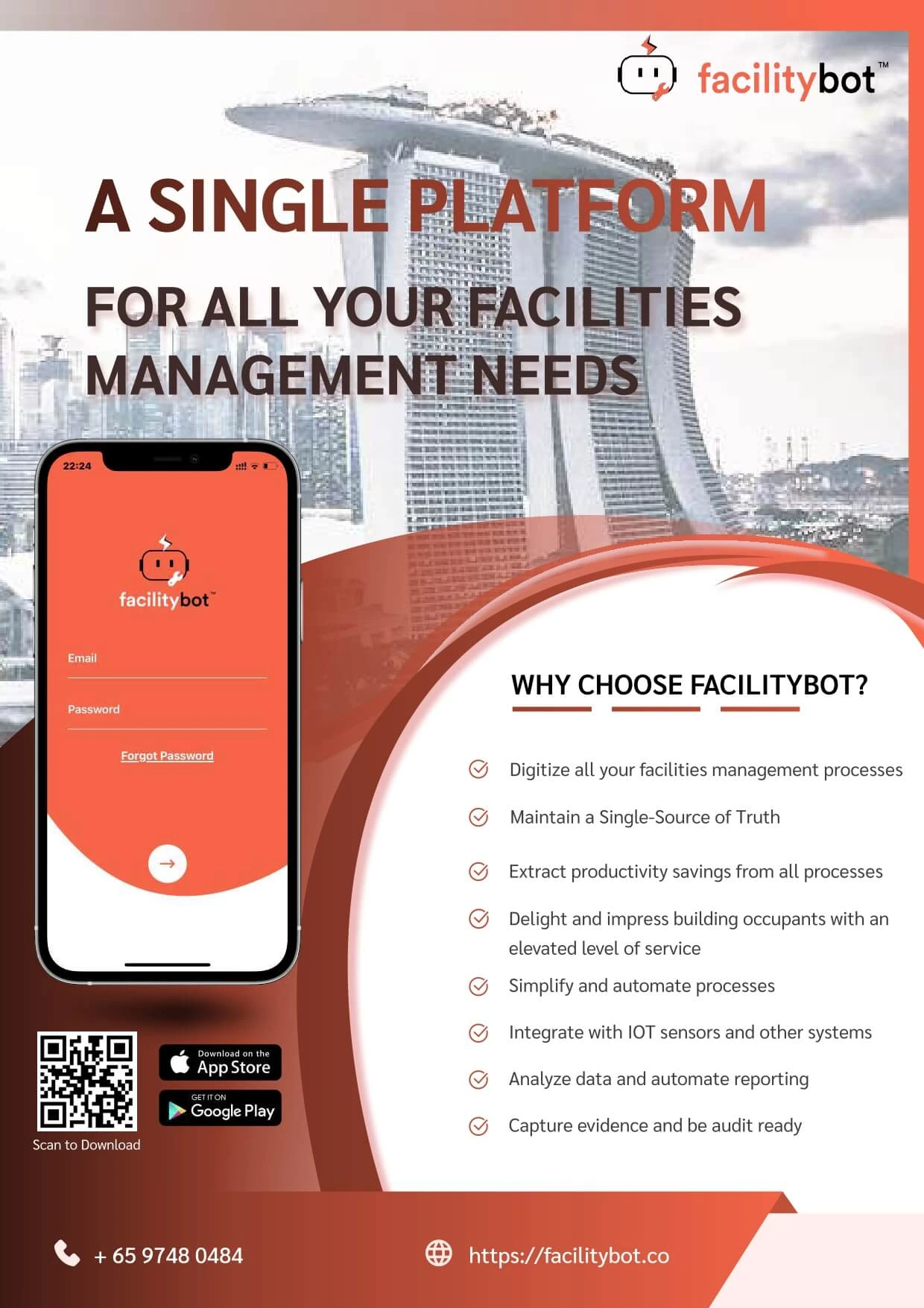
Modern CMMS platforms like FacilityBot also integrate automation, AI, mobile workflows, and WhatsApp-based fault reporting—making facility operations dramatically more efficient.
2. What Is an ERP?
An Enterprise Resource Planning (ERP) system is a broad, organization-wide platform that integrates multiple business functions across departments. It serves as the digital backbone of many companies, connecting:
- Finance and accounting
- Human resources
- Procurement
- Supply chain management
- Inventory and warehouse systems
- Sales and purchasing
- Compliance and reporting
ERP systems are large, complex, and designed to manage enterprise-level processes. They provide a comprehensive view of business performance and resource allocation.
However, ERP systems are not specialized for maintenance. While many ERP platforms offer maintenance add-ons, these modules often lack the depth and usability that facility teams need.
3. Key Differences Between CMMS and ERP
Although both systems support operational efficiency, they have distinct differences:

1. Purpose
- CMMS: Focused on maintenance operations, assets, and facilities.
- ERP: Focused on enterprise-wide business processes.
2. Functionality Depth
- CMMS: Offers advanced features for work orders, preventive maintenance, and equipment tracking.
- ERP: Provides general-purpose modules across departments but lacks depth in maintenance.
3. Users
- CMMS: Facility managers, technicians, maintenance teams, engineers.
- ERP: Finance teams, HR, procurement officers, supply chain managers, executives.
4. Complexity
- CMMS: Easy to deploy, simple UI, quick onboarding.
- ERP: Complex implementation, months of setup, extensive training required.
5. Real-Time Operations
- CMMS: Supports mobile apps, QR codes, instant fault reporting, and technician updates.
- ERP: Designed primarily for administrative processes, not on-the-ground maintenance.
6. Data Type
- CMMS: Operational and technical data from physical assets.
- ERP: Business, financial, and organizational data.
4. Can a CMMS Replace an ERP?
No—because they serve fundamentally different purposes.
A CMMS cannot manage:
- Payroll
- Accounting
- Organizational finances
- HR processes
- Procurement workflows beyond maintenance
Similarly, an ERP cannot replace a CMMS because:
- It lacks deep maintenance functionality
- It does not support mobile-first maintenance workflows
- It is not built for technicians and daily facility operations
- Its maintenance modules are usually expensive and limited
In most organizations, CMMS and ERP coexist, each handling different responsibilities.
5. How CMMS and ERP Work Together
Even though they are different systems, a CMMS and ERP often integrate to share data.
Examples of CMMS–ERP integration benefits:
- Syncing inventory data between maintenance and procurement teams
- Linking purchase orders to work orders
- Tracking maintenance costs in the financial system
- Ensuring the procurement team has visibility into spare parts usage
- Combining operational data with financial reporting
When integrated, both systems improve cross-department collaboration.
Platforms like FacilityBot offer API integrations, enabling organizations to sync maintenance activity with purchasing, finance, or workforce management systems.
6. Why You Still Need a Dedicated CMMS—Even If You Have ERP
ERP systems are powerful but not designed for daily maintenance operations. Most facility teams face challenges when using only an ERP for maintenance, such as:
- Slow reporting
- Poor user adoption
- Limited mobile support
- Inflexible workflows
- Lack of technician-focused features
This is why organizations invest in specialized CMMS platforms like FacilityBot—to provide a dedicated environment for efficient facilities management.
7. What Makes FacilityBot Different from ERP Maintenance Modules
FacilityBot is built specifically for facility teams, with features that ERP systems do not offer out of the box:
✔ WhatsApp, Telegram & Email Fault Reporting
Tenants or staff can submit requests instantly—no login needed.
✔ AI-Powered Ticket Classification
Automates routing, reduces manual sorting, and speeds response times.
✔ Preventive Maintenance Automation
Easy scheduling, mobile checklists, and automated reminders.
✔ Vendor & Contractor Management
Track performance, assign tasks, and manage SLAs directly in the CMMS.
✔ Mobile-First Technician Tools
Real-time updates, photos, notes, and completion proofs.
✔ Smart Workflows & Analytics
Better decisions using facility insights, patterns, and performance dashboards.
These features make FacilityBot far more effective for maintenance teams than any ERP add-on.
8. So, Is CMMS an ERP? The Final Answer
No. CMMS is not an ERP.
They are two different systems with different roles.
CMMS = Deep maintenance and facilities management
ERP = Broad business management across departments
Yet, they complement each other—especially when integrated.
Facilities that rely on both systems improve:
- Equipment reliability
- Financial accuracy
- Procurement visibility
- Maintenance efficiency
- Operational transparency
And modern CMMS solutions like FacilityBot make it even easier by offering automation, mobile access, AI-enhanced workflows, and simple implementation.
Conclusion
CMMS and ERP are powerful tools, but they serve different purposes. A CMMS focuses exclusively on maintenance operations, while an ERP manages enterprise-wide processes.
For organizations seeking to reduce downtime, increase asset performance, simplify work orders, and improve the tenant experience, a dedicated CMMS like FacilityBot provides the specialized tools needed to elevate facility operations.