The modern workplace is evolving rapidly. Hybrid work models, rising operational costs, sustainability goals, and employee experience expectations are forcing organizations to rethink how facilities are managed. At the center of this transformation is the powerful combination of IoT and Integrated Workplace Management Systems (IWMS).
By connecting real-time sensor data with centralized workplace platforms, IoT IWMS software enables organizations to create a truly smart workplace—one that is efficient, responsive, and driven by data rather than assumptions.
Understanding IWMS and IoT in the Workplace
What Is IWMS?
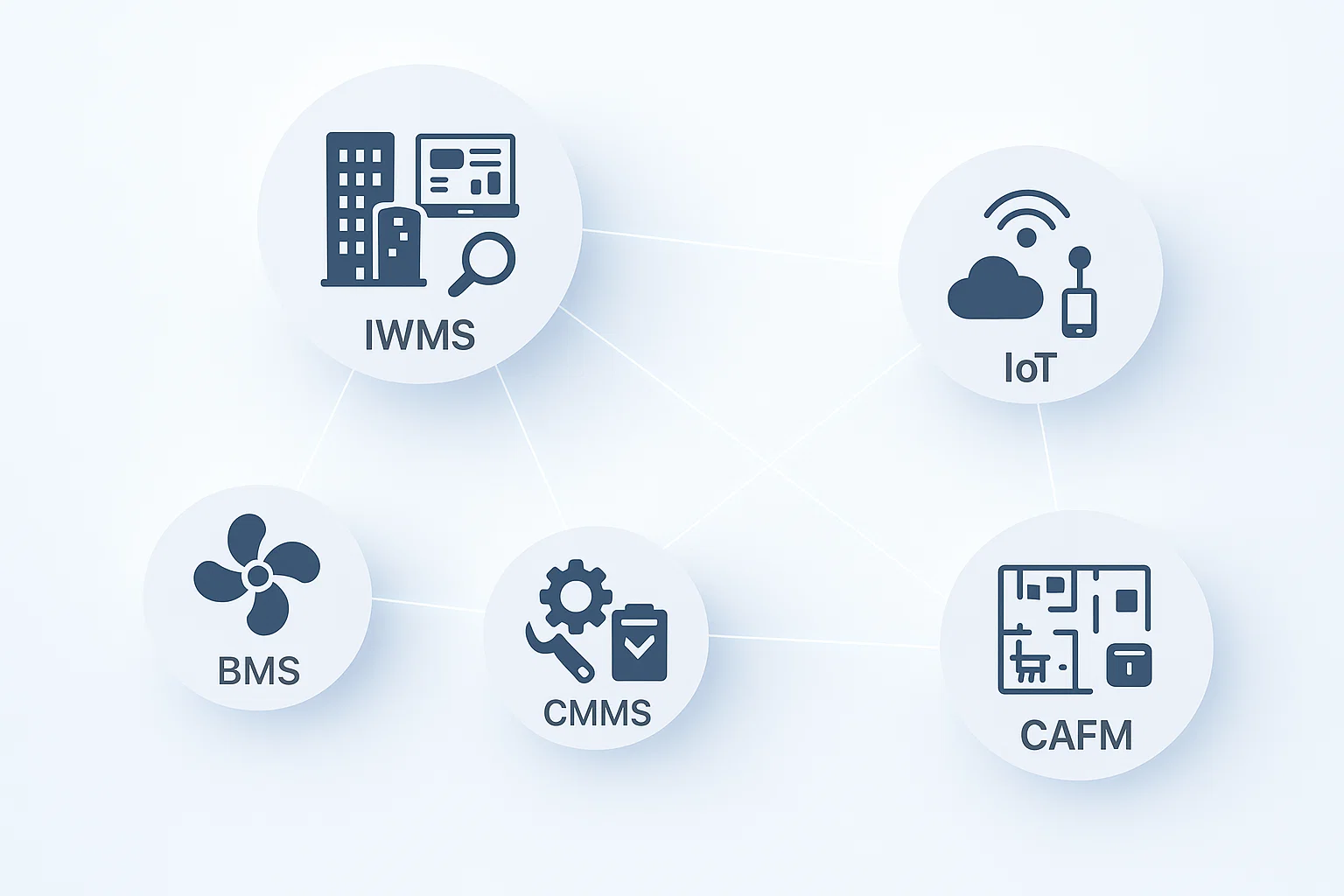
Integrated Workplace Management Systems (IWMS) are platforms designed to centralize and manage core facility and workplace functions, including:
- Space and occupancy management
- Maintenance and asset management
- Energy and sustainability tracking
- Workplace services and reservations
- Reporting and compliance
IWMS provides a single source of truth for facility operations.
What Is IoT in Facilities Management?
The Internet of Things (IoT) refers to connected devices and sensors that collect real-time data from buildings, such as:
- Occupancy sensors
- Temperature and humidity sensors
- Energy meters
- Air quality monitors
- Equipment condition sensors
When IoT data feeds directly into IWMS, facilities gain real-time visibility and control.
Why IoT + IWMS Is a Game Changer
Traditional facility management relies on static data, manual inspections, and reactive decision-making. In contrast, IoT IWMS software enables continuous monitoring and automation.
Together, IoT and IWMS allow organizations to:
- Monitor workplace conditions in real time
- Respond instantly to changes
- Optimize space and energy usage
- Improve employee comfort and productivity
- Reduce operational costs
This integration is the foundation of the modern smart workplace.
Key Benefits of IoT IWMS Software
1. Real-Time Occupancy and Space Utilization
One of the biggest challenges in modern offices is understanding how space is actually used. IoT sensors track real-time occupancy and feed data into IWMS dashboards.
This allows organizations to:
- Identify underutilized spaces
- Optimize desk and room allocation
- Support hybrid and flexible work models
- Reduce real estate costs
Data-driven space planning replaces guesswork with accuracy.
2. Smarter Maintenance and Asset Performance
IoT sensors embedded in building systems and equipment provide continuous condition data. When integrated with IWMS:
- Maintenance becomes predictive rather than reactive
- Faults are detected before failures occur
- Downtime is reduced
- Asset lifecycles are extended
This approach improves reliability while lowering maintenance costs.
3. Energy Optimization and Sustainability
Energy is one of the largest operational expenses in facilities. IoT-enabled meters and sensors feed consumption data into IWMS platforms, enabling:
- Real-time energy monitoring
- Automated HVAC and lighting adjustments
- Peak demand management
- ESG and sustainability reporting
A smart workplace doesn’t just save money—it supports environmental responsibility.
4. Enhanced Employee Experience
A comfortable, responsive workplace improves productivity and satisfaction. IoT IWMS software helps facilities teams:
- Maintain optimal temperature and air quality
- Reduce overcrowding
- Enable easy room booking and desk reservations
- Respond faster to service requests
Employees benefit from a seamless, technology-enabled environment that adapts to their needs.
5. Centralized Workplace Intelligence
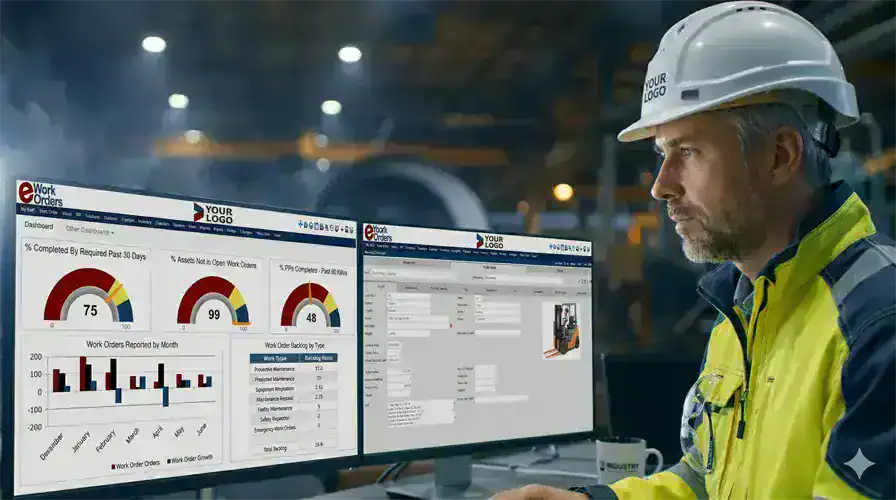
By consolidating IoT data into IWMS, facility managers gain a single dashboard for:
- Space utilization
- Asset health
- Energy performance
- Service requests
- Compliance metrics
This centralized intelligence supports faster, better-informed decision-making across the organization.
Use Cases of IoT IWMS in Smart Workplaces
Smart Meeting Rooms
IoT sensors detect room occupancy and usage patterns. IWMS uses this data to:
- Release unused bookings automatically
- Optimize room sizes
- Improve meeting room availability
Environmental Monitoring
Air quality, temperature, and humidity sensors ensure healthy work environments while maintaining energy efficiency.
Workplace Safety
IoT devices can monitor crowd density, equipment health, and emergency systems—helping organizations meet safety and compliance requirements.
Challenges Without IoT IWMS Integration
Organizations that rely on disconnected systems often face:
- Inaccurate space data
- Manual reporting
- Delayed issue detection
- Higher energy waste
- Poor employee experience
Without integration, IoT data remains underutilized, and IWMS lacks real-time intelligence.
How FacilityBot Enables Smarter, Data-Driven Work Environments
FacilityBot supports the transition to a smart workplace by integrating IWMS capabilities with real-time operational data. With FacilityBot, organizations can:
- Centralize workplace operations and reporting
- Leverage data from connected systems
- Automate maintenance workflows
- Improve space and asset visibility
- Enhance service delivery and response times
By combining intelligent workflows with data-driven insights, FacilityBot helps facilities teams move from reactive management to proactive optimization.
Best Practices for Implementing IoT IWMS Software
To maximize value, organizations should follow these best practices:
- Start with Clear Objectives
Focus on priority areas such as energy, space, or maintenance. - Ensure Data Integration
IoT data must flow seamlessly into the IWMS platform. - Standardize Data and Metrics
Consistent data enables accurate reporting and benchmarking. - Train Facility Teams
Adoption is critical for long-term success. - Use Analytics for Continuous Improvement
Turn data into actionable insights, not just dashboards.
The Future of Smart Workplaces
As AI, machine learning, and automation continue to evolve, IoT IWMS software will become even more powerful. Future smart workplaces will feature:
- Self-optimizing buildings
- Predictive workplace planning
- Automated sustainability reporting
- Personalized employee experiences
Organizations that invest now in integrated IWMS and IoT infrastructure will be better positioned to adapt, compete, and thrive.
Conclusion
The integration of IoT and IWMS is redefining how workplaces operate. By combining real-time data with centralized management, IoT IWMS software empowers organizations to create efficient, sustainable, and employee-centric environments.
A truly smart workplace is no longer a future concept—it’s a competitive necessity. Platforms like FacilityBot help organizations unlock the full potential of data-driven workplace management, turning buildings into intelligent assets that support business success.