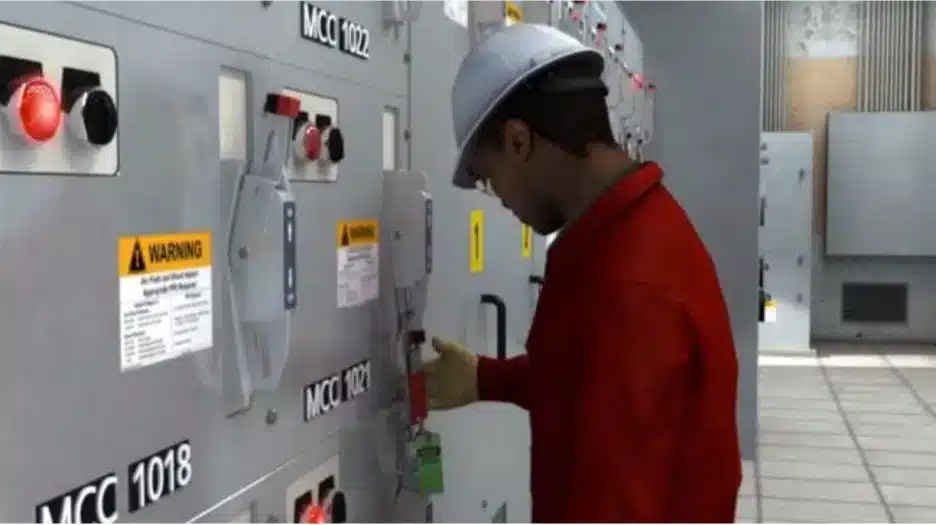

Workplace safety is a critical priority for organizations managing facilities, infrastructure, and industrial operations. Tasks such as electrical maintenance, confined space entry, hot work, and working at heights can expose workers to significant risks if proper safety procedures are not followed. Many workplace incidents occur not because organizations lack safety policies, but because safety processes are poorly managed, inconsistently applied, or difficult to track.
Traditionally, companies relied on paper-based Permit to Work (PTW) systems to authorize hazardous work. While these systems were designed to control risk, manual processes often lead to missing approvals, unclear responsibilities, and incomplete safety documentation.
Today, automated Permit to Work systems are transforming how organizations manage high-risk activities. By digitizing the permit process, companies can reduce workplace incidents, strengthen compliance, and ensure safer work environments. Modern facility management platforms like FacilityBot, one of the best CMMS software solutions in Singapore, help organizations automate safety workflows and maintain better control over hazardous work.
In this article, we explore how automated Permit to Work systems reduce workplace incidents and improve operational safety.
What Is an Automated Permit to Work System?
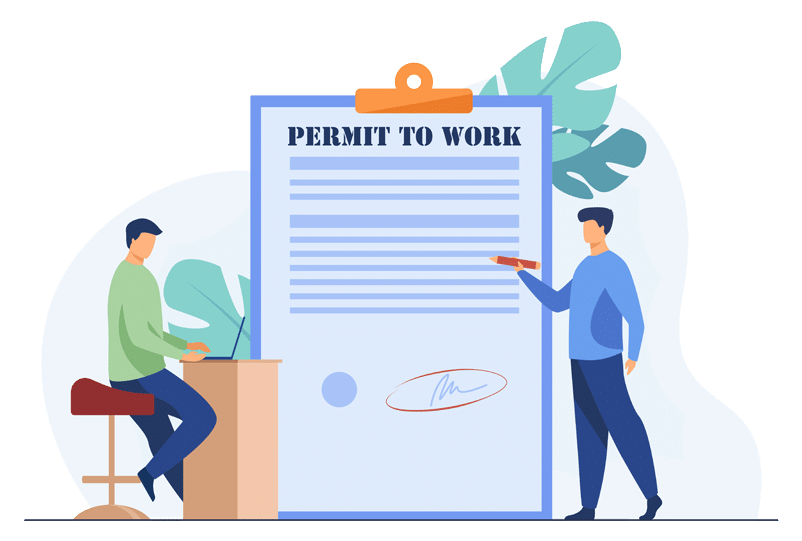
A Permit to Work system is a formal process used to control high-risk activities. Before any hazardous task begins, workers must obtain authorization that confirms:

- Hazards have been identified
- Safety precautions are in place
- Responsible personnel have approved the work
- The work area is safe for operations
An automated Permit to Work system, often referred to as an e-Permit to Work (ePTW) system, digitizes this entire process. Instead of filling out paper forms and collecting manual signatures, permits are created, reviewed, approved, and monitored through a digital platform.
This automation improves visibility, accountability, and compliance while minimizing human errors that can lead to workplace accidents.
Why Workplace Incidents Still Occur
Despite established safety policies, workplace incidents continue to happen due to several common challenges:
1. Incomplete Safety Checks
Manual permit systems rely heavily on human oversight. Workers may forget to complete certain safety checks or skip steps due to time pressure.
2. Poor Communication
In many facilities, multiple teams work simultaneously. Without a centralized system, teams may not know what work is being performed nearby, increasing the risk of conflicting activities.
3. Delayed Approvals
Paper permits often require physical signatures from supervisors or safety officers, which can delay operations or encourage workers to bypass procedures.
4. Lack of Real-Time Visibility
Supervisors may not know which permits are active, expired, or overdue, making it difficult to monitor potentially hazardous activities.
Automated permit systems address these issues by ensuring safety procedures are consistently followed.
How Automated Permit to Work Systems Reduce Workplace Incidents
1. Enforcing Standardized Safety Procedures
One of the biggest advantages of automated PTW systems is process standardization.
Digital platforms use predefined permit templates and safety checklists to ensure every task follows the same procedures. These templates may include:
- Hazard identification steps
- Risk assessments
- Required safety equipment
- Isolation and lockout procedures
- Environmental safety checks
The system prevents permits from being approved until all required fields are completed. This ensures that critical safety checks are never skipped.
Standardization significantly reduces the likelihood of human error and improves consistency across departments.
2. Real-Time Visibility into Hazardous Work
In busy facilities, multiple high-risk activities may occur at the same time. Without proper coordination, these activities can create dangerous situations.
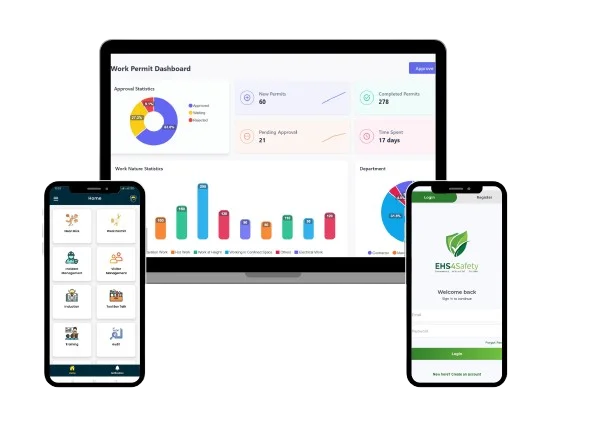
Automated permit systems provide real-time dashboards that display:
- Active permits
- Expired permits
- Pending approvals
- Work locations
- Task types
Supervisors and safety managers can instantly see what work is happening across the facility. If conflicting activities are identified—such as hot work near flammable operations—managers can intervene immediately.
This visibility greatly reduces the risk of accidents caused by overlapping tasks.
3. Automated Approval Workflows
In manual systems, permits may sit on a desk waiting for approval. Workers sometimes start tasks before receiving full authorization, increasing the risk of incidents.
Automated permit systems streamline the approval process by:
- Routing permits to the appropriate supervisors
- Sending automatic notifications
- Allowing digital approvals via mobile devices
- Escalating delayed approvals
These workflows ensure permits are reviewed quickly while still maintaining strict safety standards.
By removing delays and inefficiencies, organizations can improve compliance without slowing down operations.
4. Improved Communication Across Teams
Workplace incidents often occur due to poor communication between departments. For example, maintenance teams may begin electrical work while another team is conducting cleaning operations nearby.
Automated PTW systems provide a centralized communication platform where all stakeholders can access permit information.
Key benefits include:
- Shared visibility across departments
- Notifications about nearby work activities
- Alerts for safety risks or permit changes
- Clear assignment of responsibilities
This transparency ensures everyone involved understands the scope of work and the associated risks.
5. Digital Audit Trails and Accountability
A critical feature of automated permit systems is the digital audit trail. Every action within the system—permit creation, approval, modification, and closure—is recorded with a timestamp.
This provides several safety benefits:
- Clear accountability for approvals
- Accurate documentation of safety procedures
- Evidence of compliance during audits
- Easier incident investigations
If a workplace incident occurs, organizations can quickly review the permit history to identify what went wrong and implement corrective actions.
6. Mobile Access for Field Workers
Many workplace incidents occur because workers do not have easy access to safety documentation while performing tasks.
Automated PTW systems often include mobile access, allowing workers to:
- View permits on smartphones or tablets
- Complete safety checklists on-site
- Upload photos or inspection reports
- Receive real-time safety alerts
This ensures workers always have the latest information and instructions while performing hazardous tasks.
Integrating Automated PTW with CMMS
To maximize safety and operational efficiency, many organizations integrate their automated PTW systems with a Computerized Maintenance Management System (CMMS).
A CMMS like FacilityBot enables organizations to link safety permits with maintenance activities and asset management.
This integration allows facility managers to:
- Attach permits to maintenance work orders
- Track equipment involved in hazardous tasks
- Ensure maintenance work follows safety procedures
- Maintain complete operational records
By connecting safety workflows with maintenance operations, organizations can create a more comprehensive and proactive safety management system.
Why FacilityBot Is Ideal for Automated Permit Management
FacilityBot is a leading CMMS software in Singapore designed to help organizations manage maintenance operations, safety procedures, and facility workflows in one centralized platform.
With FacilityBot, organizations can:
- Digitize Permit to Work processes
- Automate safety approvals and workflows
- Monitor hazardous work activities in real time
- Maintain centralized compliance records
- Improve communication across teams
By replacing manual permit systems with automated workflows, FacilityBot helps organizations reduce workplace incidents and improve operational safety.
The Future of Workplace Safety
As digital transformation continues to reshape facility management, automated safety systems will play an increasingly important role in preventing workplace incidents.
Emerging technologies such as:
- Artificial intelligence for risk prediction
- IoT sensors for hazard detection
- Mobile safety platforms
- Data-driven compliance monitoring
will further enhance the effectiveness of automated Permit to Work systems.
Organizations that adopt these technologies early will be better equipped to protect their workforce and maintain regulatory compliance.
Conclusion
Workplace incidents often result from poor coordination, incomplete safety checks, and lack of visibility into high-risk activities. Traditional paper-based permit systems struggle to address these challenges effectively.
Automated Permit to Work systems provide a smarter and safer approach by digitizing safety workflows, enforcing standardized procedures, and improving communication across teams.
With features such as automated approvals, real-time monitoring, digital audit trails, and mobile accessibility, organizations can significantly reduce workplace incidents while improving operational efficiency.
Platforms like FacilityBot, one of the best CMMS software solutions in Singapore, empower facility managers to modernize safety management and create safer workplaces.
By adopting automated permit systems, organizations can move beyond reactive safety practices and build a proactive culture of risk prevention and workplace safety.