Smart buildings are no longer futuristic concepts—they are rapidly becoming the standard for modern enterprises. From automated energy optimization to real-time occupancy tracking and AI-driven maintenance, the way buildings are managed is undergoing a massive transformation.
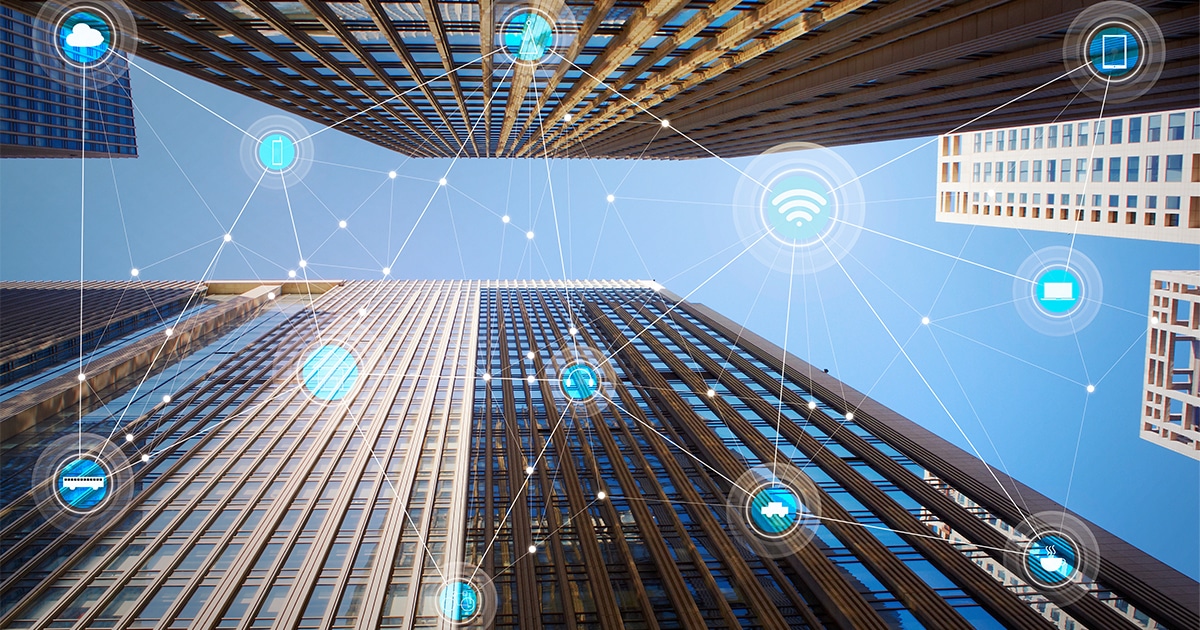
A key driver behind this evolution is the integration of IWMS smart buildings platforms with building management technologies such as IoT sensors, Building Management Systems (BMS), Computerized Maintenance Management Systems (CMMS), and enterprise workplace analytics tools. When integrated properly, these systems create highly efficient, responsive, and sustainable buildings that improve both operational outcomes and the occupant experience.
In this guide, we explore how IWMS and smart buildings work together, what benefits integration delivers, and why platforms like FacilityBot are helping organizations achieve smarter building operations.
What Is an IWMS?
An Integrated Workplace Management System (IWMS) is a software platform used to manage and optimize workplace and facility operations across functions such as:
- Space planning
- Asset management
- Maintenance management
- Energy management
- Real estate lifecycle management
- Sustainability and ESG reporting
While traditional systems operate in silos, IWMS serves as a digital command center for buildings by consolidating data, workflows, and analytics into a centralized platform.
What Makes a Smart Building “Smart”?
A smart building is characterized by its ability to:
✔ Collect real-time operational data
✔ Automate responses based on conditions
✔ Optimize energy usage and maintenance
✔ Improve occupant comfort and safety
✔ Support predictive insights and planning
These capabilities are enabled through technologies such as:
- IoT sensors (temperature, humidity, vibration, occupancy, etc.)
- Building Management Systems (BMS)
- Access control and security systems
- HVAC controls
- Lighting automation
- Energy meters
- Digital twin models
However, smart buildings generate enormous volumes of data—which is exactly where IWMS comes into play.
Why IWMS Is Critical for Smart Building Integration
Smart building systems are powerful individually, but without integration, their value is limited. IWMS enhances building management integration by:
- Centralizing data from different building systems
- Harmonizing insights into a unified platform
- Automating action across systems
- Supporting analytics and KPI reporting
- Improving cross-functional visibility
For example, an IoT sensor may detect equipment vibration anomalies. Instead of sending a passive alert, IWMS can automatically:
- Diagnose the issue
- Create a maintenance work order
- Assign a technician
- Track resolution time
- Report the cost impact
This enables a seamless, automated maintenance workflow that reduces downtime and extends asset life.
Key Integrations Between IWMS and Smart Building Technologies
1. IoT Sensor Networks
IoT sensors monitor building conditions (energy usage, occupancy, temperature, equipment health, etc.) and feed real-time data into IWMS systems for automated action and reporting.
2. Building Management Systems (BMS)
BMS controls HVAC, lighting, and environmental systems. Integration enables:
- Energy optimization
- Automated fault detection
- Condition-based maintenance
3. CMMS & Asset Systems
IWMS platforms integrate with CMMS or directly include maintenance management modules, enabling:
- Preventive and predictive maintenance
- Asset lifecycle tracking
- Work order automation
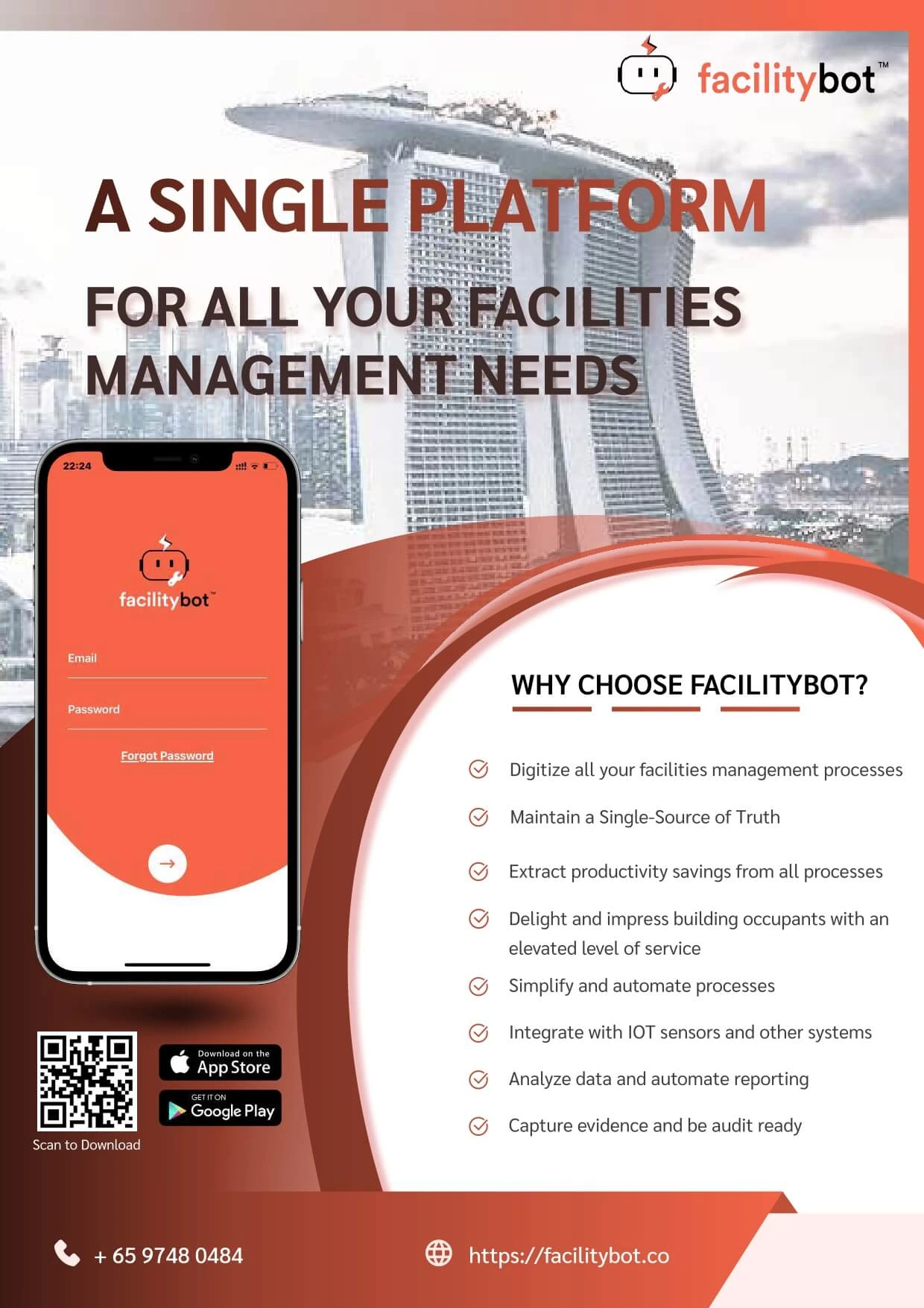
Platforms like FacilityBot support mobile maintenance workflows, fault reporting, and contractor management for smarter operational performance.
4. Space & Occupancy Systems
Smart buildings use sensors to track real-time occupancy. IWMS uses this data for:
- Office planning
- Hot-desking allocation
- Capacity forecasting
- Workplace experience enhancements
5. Energy & Sustainability Tools
Energy meters and environmental sensors feed usage data into IWMS for ESG monitoring and sustainability compliance.
Top Benefits of IWMS-Smart Building Integration
1. Reduced Operational Costs
Automation reduces labor, energy consumption, and maintenance expenses—major drivers in facility budgets.
2. Predictive Maintenance
Users can shift from reactive repairs to predictive strategies by using condition data, increasing uptime and extending asset lifespan.
3. Improved Occupant Experience
Smart buildings adjust to user behavior with intelligent HVAC, lighting, and workspace allocation—improving satisfaction and comfort.
4. Enhanced Energy Efficiency
IWMS analytics highlight consumption patterns and recommend improvements for sustainability and cost reduction.
5. Centralized Reporting & Analytics
Instead of fragmented systems, IWMS provides unified dashboards for facilities, operations, finance, and executive teams.
6. Stronger ESG & Compliance
Smart buildings support ESG reporting by tracking metrics like:
- Energy use intensity (EUI)
- Carbon emissions
- Water consumption
- Indoor air quality
- Asset performance KPIs
This data becomes increasingly important for regulatory and investor transparency.
Industry Use Cases
Common real-world applications include:
✔ Smart campuses and universities
✔ Corporate headquarters
✔ Industrial facilities
✔ Healthcare facilities
✔ Data centers
✔ Mixed-use commercial buildings
The adaptability of IWMS makes it suitable for both retrofit upgrades and new construction projects.
How FacilityBot Supports Smart Building Integration
FacilityBot enables smarter building operations by offering:
- Preventive maintenance automation
- AI-driven fault requests
- Contractor and vendor management
- Space and asset tracking
- Mobile work order execution
- ESG and operational reporting
- IoT and BMS integration capabilities
By bridging maintenance workflows with building system data, FacilityBot improves response speed, visibility, and asset performance—making it easier for enterprises to extract value from smart building technology.
Challenges in Integration (and How to Overcome Them)
While the benefits are substantial, organizations face challenges such as:
- Legacy system fragmentation
- Data interoperability issues
- Budget and capital planning constraints
- Talent and skill gaps
- Resistance to operational change
A phased modernization strategy—beginning with maintenance digitization, followed by IoT integration and finally full IWMS deployment—is a proven approach.
The Future of IWMS and Smart Buildings
The next phase of smart building innovation will be driven by:
- AI-driven predictive analytics
- Digital twins for asset modeling
- Autonomous maintenance
- Real-time ESG intelligence
- Workforce experience personalization
IWMS will serve as the orchestration layer that binds these technologies into a cohesive operational ecosystem.
Conclusion
The convergence of IWMS smart buildings and intelligent building systems represents a major leap forward in facility operations. Through automation, data integration, and predictive capabilities, organizations gain the ability to optimize performance, reduce costs, improve sustainability, and create better workplace experiences.
Platforms like FacilityBot will play a central role—acting as the bridge between smart building data and actionable facility workflows.