
Sustainability has become a defining priority for modern organizations. Investors, regulators, employees, and building occupants increasingly expect companies to operate responsibly, manage resources efficiently, and transparently disclose their environmental, social, and governance (ESG) performance.
However, producing accurate ESG reports and operating facilities sustainably is not simple. Buildings generate massive volumes of energy, space usage, water, and maintenance data—yet most organizations lack centralized visibility. This is where Integrated Workplace Management Systems (IWMS) are emerging as a core technology for sustainability strategy and ESG reporting.
Why Sustainability and ESG Now Matter in Facility Management
Facility operations directly impact ESG performance, especially in the environmental pillar. Buildings account for:
- A significant share of global energy consumption
- Major carbon emissions across industries
- High water usage
- Material waste from operations and maintenance
Simultaneously, new regulations and reporting frameworks—such as GRESB, LEED, WELL, CDP, and the EU Corporate Sustainability Reporting Directive (CSRD)—require data transparency. Companies with large physical footprints must now demonstrate:

- Efficient resource utilization
- Carbon reduction efforts
- Safe working environments
- Responsible governance and risk management
Facility managers are no longer responsible only for uptime and cost—they now play a critical role in sustainability compliance and ESG disclosure.
How IWMS Platforms Support ESG and Sustainability Goals
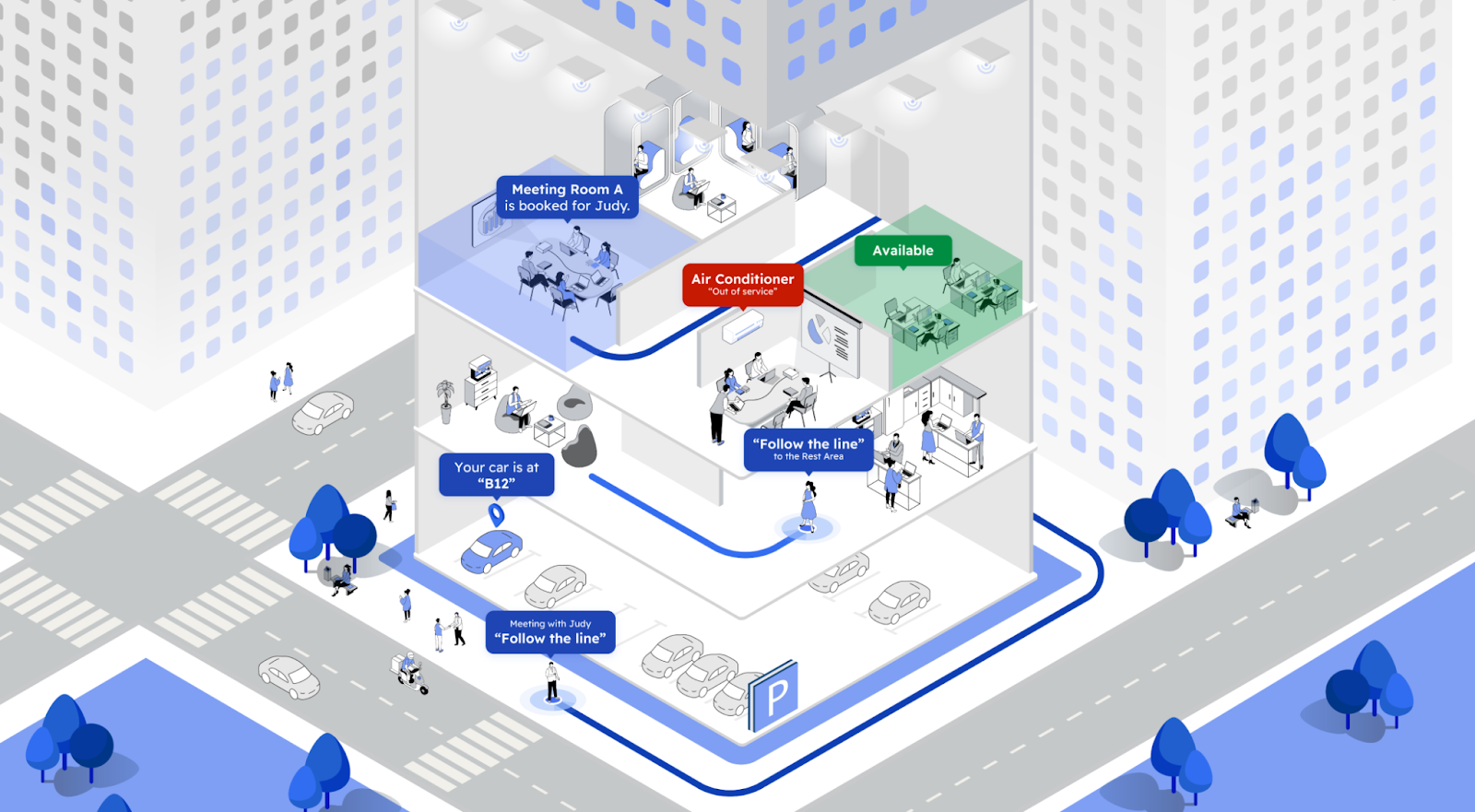
An IWMS centralizes building operations across space planning, maintenance, sustainability, and workplace services. For ESG teams, this unified data layer is transformative.
1. Centralizing Sustainability and Resource Data
IWMS platforms aggregate data from:
- Energy meters
- HVAC and lighting systems
- Water meters
- Waste tracking
- Occupancy sensors
- Building automation systems (BMS)
- IoT devices
- Work order and maintenance logs
This eliminates data silos and provides a single source of truth for reporting and analysis—something spreadsheets and legacy systems cannot achieve.
2. Real-Time Energy and Carbon Tracking
Energy consumption and emissions are key ESG metrics. IWMS enables organizations to:
- Monitor usage in real time
- Compare consumption across buildings
- Identify inefficiencies
- Forecast usage patterns
- Simulate sustainability improvements
This level of transparency is essential both for operational efficiency and stakeholder reporting.
3. Optimizing Space Utilization and Occupancy
Underutilized space is both costly and wasteful. IWMS tools help companies:
- Track occupancy levels
- Identify space consolidation opportunities
- Enable hot-desking and hybrid work models
- Downsize real estate portfolios responsibly
Reducing unnecessary square footage directly lowers environmental impact and aligns with ESG real estate strategies.
4. Supporting Preventive & Sustainable Maintenance
Maintenance plays a critical role in asset longevity and energy efficiency. IWMS-driven maintenance enables:
- Extended equipment lifespan
- Fewer breakdowns
- Lower replacement waste
- Better material usage tracking
- Lower energy consumption from degraded assets
This contributes to sustainable asset lifecycle management.
5. Enabling Compliance & ESG Reporting Frameworks
ESG reporting requires structured, auditable, and repeatable data flows. IWMS platforms can support reporting formats for:
- GRESB
- LEED
- WELL Building Standard
- Energy Star
- ISO 50001
- Corporate Sustainability Reporting Directive (CSRD)
- Internal ESG dashboards
The key value is data integrity—something auditors and regulators expect.
Role of IoT & Automation in Sustainability-Focused IWMS
Modern IWMS platforms increasingly integrate IoT devices to enhance ESG reporting capabilities. Applications include:
- Smart energy meters for granular usage analysis
- Occupancy sensors for space efficiency planning
- Predictive maintenance sensors to reduce equipment waste
- Smart HVAC and lighting controls that adjust to real-time patterns
IoT-driven automation not only improves sustainability performance—it dramatically reduces reporting labor.
How FacilityBot Supports ESG Reporting and Sustainable Operations
FacilityBot, a modern IWMS/CMMS platform, includes features that align well with ESG and sustainability-focused facility management. With capabilities such as:
✔ Digital request and work order management
✔ Asset lifecycle tracking
✔ Energy and maintenance data visibility
✔ IoT and BMS system integration
✔ Automated reporting tools
FacilityBot helps organizations build a more data-driven sustainability and maintenance environment. By digitizing workflows, the platform reduces paper usage, accelerates reporting accuracy, extends asset life, and improves compliance support—making it a strong fit for sustainability-oriented facility teams.
Benefits of IWMS for ESG Stakeholders
Implementing an IWMS delivers clear benefits for multiple stakeholder groups:
For Facility Managers
- Insight into usage and performance data
- Ability to optimize building operations
- Reduced utilities and maintenance costs
For ESG and Sustainability Teams
- Access to validated environmental data
- Streamlined reporting workflows
- Better risk management documentation
For Executives and Investors
- Greater transparency
- Better compliance posture
- Ability to demonstrate sustainability progress
For Occupants and Employees
- Healthier, more efficient workplaces
- Improved comfort and safety
- Enhanced workplace experience
Challenges Without IWMS Support
Organizations lacking centralized systems often struggle with:
- Manual data collection
- Inaccurate or incomplete reporting
- Siloed sustainability information
- Difficulty proving compliance
- Inefficient building operations
- Higher carbon and energy waste
These challenges can directly impact ESG scoring and investor perceptions.
The Future: ESG as a Core Built-Environment Strategy
As ESG reporting becomes mandatory across more regions and industries, IWMS adoption is expected to accelerate. The future of facilities will prioritize:
- Carbon-neutral operations
- Circular asset management
- Data-driven reporting workflows
- IoT-connected environments
- Smart energy and occupancy analytics
- Automated compliance documentation
Facilities that invest now will gain a competitive advantage in sustainability, cost efficiency, and real estate optimization.
Conclusion
Sustainability and ESG reporting have evolved from optional initiatives to strategic imperatives. IWMS platforms are uniquely positioned to support this transition by centralizing operational data, improving environmental performance, and enabling credible reporting for stakeholders and regulators.
With growing pressure to deliver responsible and transparent facility operations, adopting an IWMS such as FacilityBot helps organizations modernize their sustainability strategies and prepare for the next era of ESG accountability.