
Enterprise Asset Management (EAM) has undergone a dramatic transformation over the past two decades. What once relied on spreadsheets, manual logs, and reactive maintenance has now evolved into intelligent, AI-driven platforms that deliver predictive insights and strategic value.
For organizations in Singapore—where operational efficiency, compliance, and smart building initiatives are top priorities—modern EAM systems are no longer optional. They are essential.
As one of the best CMMS software in Singapore, FacilityBot represents this evolution, helping businesses transition from outdated systems to advanced, AI-powered asset management platforms.
Let’s explore how EAM has evolved and why AI-driven platforms are shaping the future of asset management.
Phase 1: Spreadsheet-Based Asset Tracking
In the early days, asset management was simple—but inefficient.
Facilities teams relied on:
- Excel spreadsheets
- Paper-based maintenance logs
- Manual inspection checklists
- Reactive repair calls
While spreadsheets provided basic tracking capabilities, they lacked:
- Real-time updates
- Automated scheduling
- Predictive insights
- Centralized collaboration
As asset portfolios grew larger and more complex—especially in industries like healthcare, manufacturing, and commercial real estate—spreadsheet-based systems quickly became unsustainable.
Human errors, lost data, and delayed maintenance were common challenges.
Phase 2: Introduction of CMMS Systems
To address these inefficiencies, Computerized Maintenance Management Systems (CMMS) emerged.

CMMS platforms introduced:
- Digital work order management
- Preventive maintenance scheduling
- Asset lifecycle tracking
- Maintenance history documentation
This was a significant leap forward. Instead of reacting to breakdowns, organizations could implement preventive maintenance programs.
For Singapore-based enterprises focused on minimizing downtime and maximizing asset lifespan, CMMS solutions became foundational tools.
However, traditional CMMS platforms still had limitations:
- Limited analytics
- Siloed data
- Manual data entry
- Lack of strategic forecasting
Organizations needed something more comprehensive.
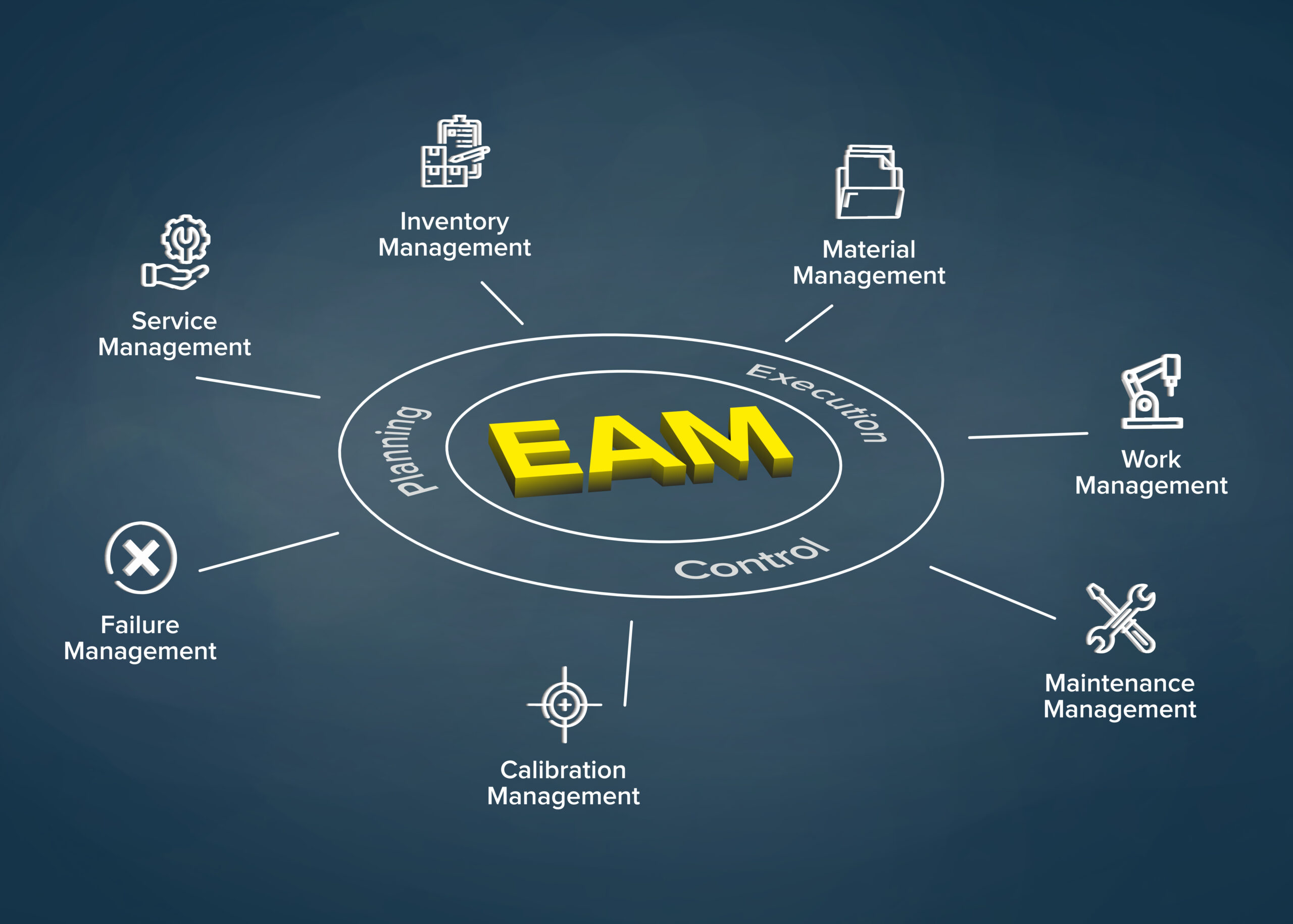
Phase 3: Enterprise Asset Management (EAM)
EAM systems expanded beyond maintenance tracking. They integrated asset management across the entire lifecycle—from procurement to disposal.
EAM platforms introduced:
- Capital planning tools
- Inventory management
- Compliance tracking
- Procurement integration
- Financial reporting
This allowed leadership teams to align maintenance operations with broader business strategy.
In highly regulated markets like Singapore, EAM systems also helped organizations comply with safety and operational standards.
But while EAM improved visibility, it was still largely reactive or preventive—not predictive.
Phase 4: Cloud-Based EAM Solutions
The shift to cloud computing marked another major milestone.
Cloud-based EAM platforms provided:
- Real-time accessibility
- Multi-site visibility
- Remote monitoring
- Mobile access for technicians
- Reduced IT infrastructure costs
For businesses in Singapore managing multiple facilities—such as malls, corporate offices, and industrial plants—cloud-based EAM allowed centralized control across locations.
Technicians could now access work orders through mobile devices, update job status in real time, and reduce paperwork significantly.
However, even cloud-based systems still depended heavily on manual data analysis.
Phase 5: AI-Driven EAM Platforms
The most transformative phase in EAM evolution is the integration of Artificial Intelligence (AI).

AI-driven EAM platforms go beyond tracking—they predict, optimize, and automate.
Key capabilities include:
1. Predictive Maintenance
AI analyzes historical maintenance data, sensor readings, and performance trends to predict when equipment is likely to fail.
Instead of:
- Waiting for breakdowns (reactive)
- Following fixed schedules (preventive)
Organizations can perform maintenance precisely when needed.
This reduces downtime and extends asset lifespan.
2. Intelligent Asset Forecasting
AI-driven systems can forecast:
- Asset replacement timelines
- Budget requirements
- Performance degradation trends
For Singapore enterprises focused on long-term capital planning, this improves financial forecasting accuracy.
3. Automated Work Order Prioritization
AI evaluates:
- Asset criticality
- Failure risk
- Operational impact
It then automatically prioritizes maintenance tasks to maximize operational uptime.
This is especially valuable in mission-critical environments like data centers and hospitals.
4. Data-Driven Decision Making
AI platforms transform raw maintenance data into actionable insights.
Dashboards provide:
- Downtime analysis
- Asset performance KPIs
- Cost optimization opportunities
- Resource allocation trends
This elevates EAM from an operational tool to a strategic business asset.
Why AI-Driven EAM Matters in Singapore
Singapore is a global leader in smart infrastructure and digital transformation.
With initiatives focused on:
- Smart buildings
- Sustainable development
- Energy efficiency
- Operational resilience
AI-powered EAM platforms align perfectly with national and corporate goals.
Organizations must manage assets more intelligently to:
- Reduce operational costs
- Improve compliance
- Support sustainability targets
- Enhance service reliability
Modern EAM systems are no longer just maintenance tools—they are competitive advantages.
How FacilityBot Represents the Future of EAM
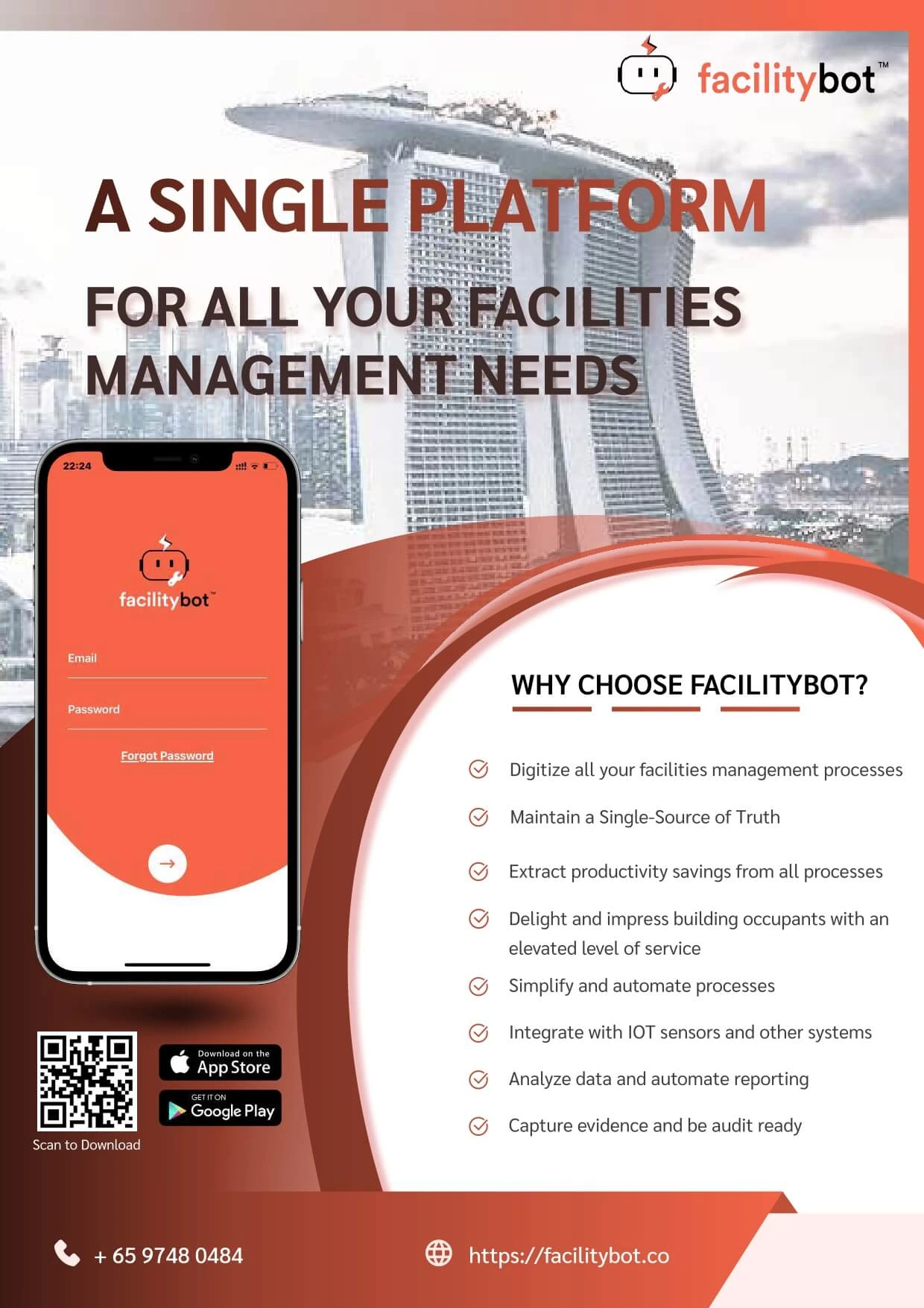
FacilityBot, recognized as one of the best facilities management software in Singapore, embodies this evolution.
It combines:
- Advanced maintenance management
- Intelligent reporting dashboards
- Mobile-first accessibility
- Automation-driven workflows
- Scalable cloud architecture
Instead of relying on spreadsheets or fragmented systems, organizations can centralize asset data, automate maintenance processes, and gain real-time visibility across operations.
FacilityBot enables:
- Preventive and predictive maintenance
- Streamlined work order management
- Asset lifecycle optimization
- Integrated operational reporting
For businesses ready to move beyond outdated tools, it offers a modern, AI-ready platform that supports long-term growth.
The Future of EAM: What’s Next?
The evolution of EAM isn’t stopping with AI.
Emerging trends include:
- IoT sensor integration for real-time asset monitoring
- Digital twins for simulation and planning
- AI-powered compliance audits
- Autonomous maintenance scheduling
- ESG-focused asset performance tracking
Organizations that adopt intelligent platforms today will be better prepared for these innovations tomorrow.
Conclusion
The journey from spreadsheets to AI-driven EAM platforms reflects a broader shift in how organizations view asset management.
What started as simple record-keeping has transformed into strategic, data-driven decision-making.
For businesses in Singapore seeking operational excellence, adopting modern EAM solutions is essential. AI-powered platforms deliver predictive insights, automate workflows, and align asset management with long-term business strategy.
FacilityBot stands at the forefront of this evolution—helping organizations transition from manual systems to intelligent, scalable asset management platforms.
The future of EAM is here—and it’s powered by AI.