
In today’s rapidly evolving industrial and corporate landscapes, managing assets efficiently is no longer just about tracking equipment and performing maintenance. Modern organizations are turning to AI asset management and next-gen Enterprise Asset Management software to optimize asset performance, extend lifecycles, and reduce operational costs. These advanced platforms combine artificial intelligence, predictive analytics, and real-time monitoring to transform traditional maintenance practices into proactive, data-driven strategies.
Platforms like FacilityBot are at the forefront of this revolution, offering intelligent EAM solutions that empower facility managers to make smarter decisions and maximize asset ROI.
The Evolution of Asset Management
Traditional asset management approaches were largely reactive, relying on scheduled inspections and manual tracking. While preventive maintenance improved reliability to some extent, it often led to unnecessary replacements, overstocked spare parts, and unplanned downtime.
The introduction of next-gen EAM systems has shifted the paradigm:
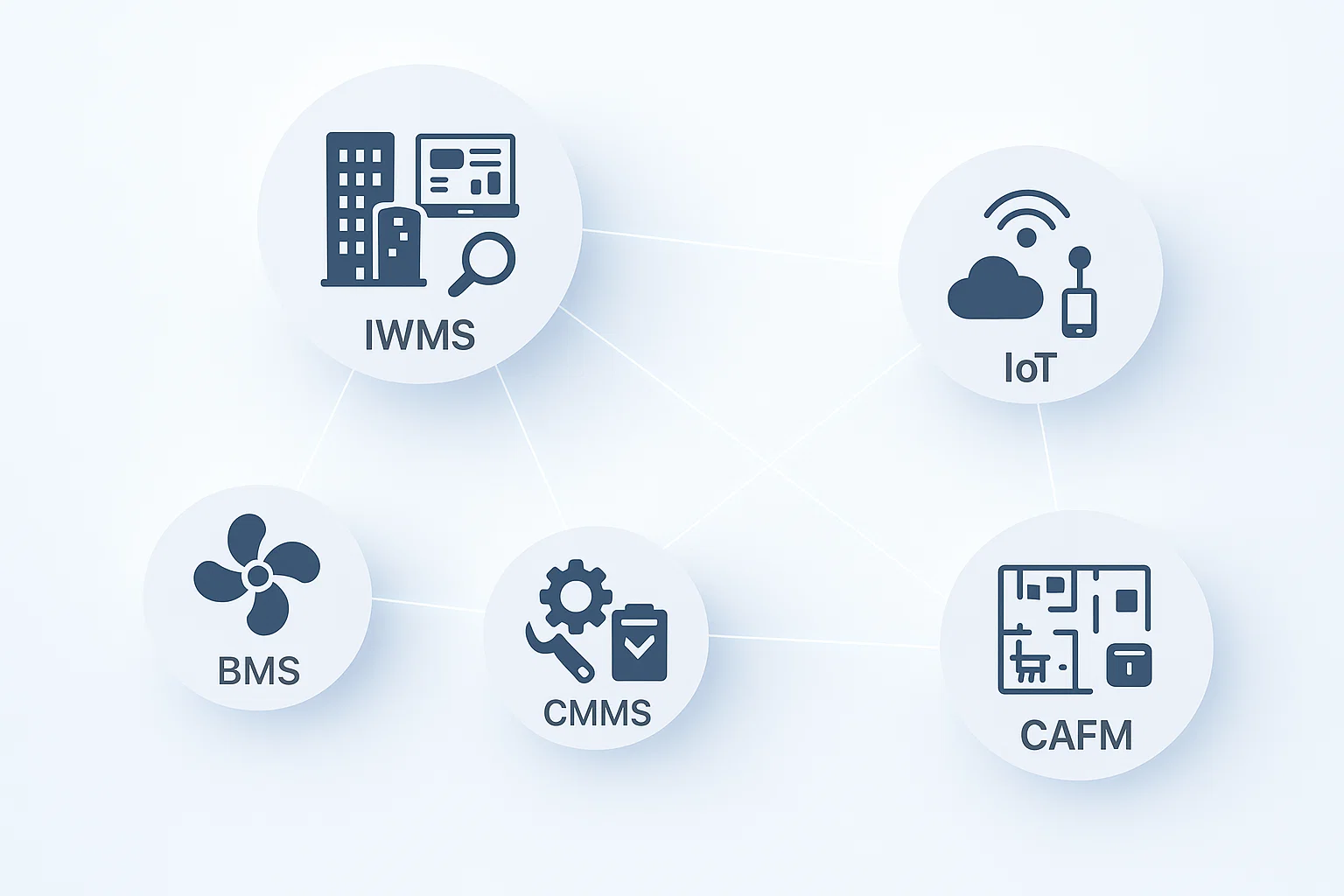
- Integration with IoT sensors: Real-time monitoring of equipment performance.
- Predictive analytics: Forecasting potential failures before they happen.
- Data-driven insights: Optimizing maintenance schedules, asset usage, and capital planning.
- AI-powered automation: Reducing human error and accelerating workflows.
This evolution allows organizations to move from reactive maintenance to proactive asset management, improving operational efficiency and reducing costs.
Key Features of AI-Driven EAM Systems
1. Predictive Maintenance
AI asset management leverages machine learning algorithms to analyze historical performance data and predict potential equipment failures. Predictive maintenance helps organizations:

- Reduce unplanned downtime
- Extend asset lifecycles
- Optimize spare parts inventory
- Improve overall operational efficiency
For example, FacilityBot’s predictive maintenance module alerts facility managers to upcoming risks, enabling timely interventions before issues escalate.
2. Real-Time Asset Monitoring
Next-gen EAM systems integrate IoT sensors to collect real-time data on critical assets, such as:
- Temperature and vibration levels
- Energy consumption
- Operating hours
- Usage patterns
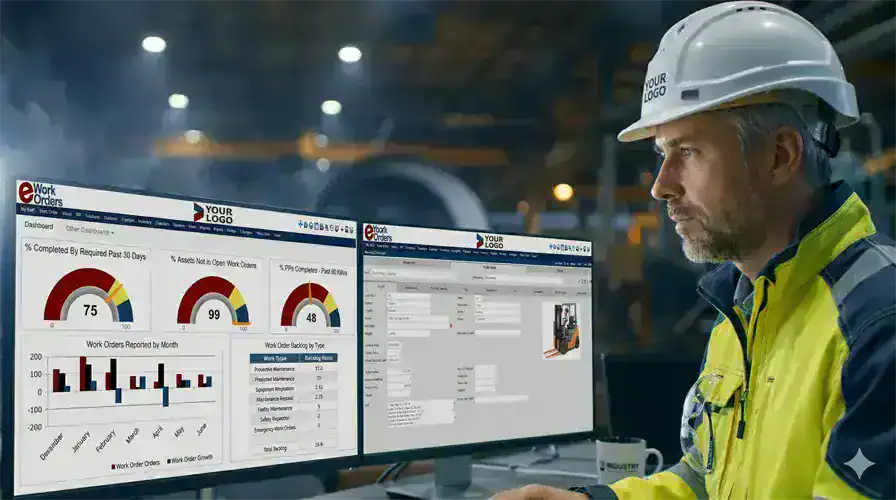
This data enables facility managers to monitor asset health continuously and make data-driven decisions.
3. AI-Powered Decision Support
AI-driven analytics allow managers to:
- Prioritize maintenance tasks based on risk and criticality
- Forecast lifecycle costs and ROI for assets
- Optimize asset allocation and utilization
- Detect anomalies and performance deviations
By combining historical and real-time data, AI asset management platforms transform raw information into actionable insights.
4. Intelligent Inventory and Spare Parts Management
Next-gen EAM systems often include integrated spare parts and inventory tracking:
- Automatically reserve parts for scheduled maintenance
- Predict future spare parts needs using AI analytics
- Reduce excess inventory and carrying costs
- Ensure technicians have the right parts available at the right time
FacilityBot enhances inventory management by linking parts directly to assets and maintenance workflows, minimizing downtime and operational disruptions.
5. Enhanced Compliance and Reporting
Modern organizations must comply with industry regulations and sustainability standards. AI-driven EAM systems help by:
- Maintaining detailed maintenance logs
- Providing audit-ready reports
- Tracking compliance with safety and environmental regulations
- Supporting ESG reporting initiatives
This reduces risk and ensures regulatory adherence while maintaining operational transparency.
Benefits of AI-Driven EAM Systems
Implementing a next-gen EAM platform with AI capabilities offers tangible benefits:
- Reduced Downtime: Predictive maintenance prevents unexpected equipment failures.
- Lower Operational Costs: Optimized maintenance schedules and inventory reduce unnecessary expenditures.
- Extended Asset Lifespan: AI ensures assets are serviced before wear and tear causes irreparable damage.
- Data-Driven Decisions: Analytics provide actionable insights for strategic planning.
- Improved Resource Allocation: Technicians, parts, and tools are deployed efficiently.
- Sustainability and Compliance: Energy use, carbon footprint, and regulatory compliance are tracked and optimized.
Organizations leveraging AI in their EAM systems report significant improvements in uptime, cost reduction, and operational efficiency.
Challenges in Adopting AI-Driven EAM
While the benefits are clear, implementation is not without challenges:

- Data Quality: AI algorithms require clean, accurate, and comprehensive data.
- Integration Complexity: Legacy systems may need upgrades or APIs for seamless integration.
- Skill Gap: Staff must understand and trust AI recommendations.
- Cost of Implementation: Advanced EAM platforms may require investment in infrastructure and training.
Best Practice: Start with critical assets, implement predictive maintenance gradually, and provide ongoing staff training to ensure adoption.
The Role of FacilityBot in AI-Driven Asset Management
FacilityBot combines the intelligence of next-gen EAM systems with AI-powered predictive analytics and real-time monitoring. It helps organizations:
- Monitor asset health continuously
- Predict failures before they occur
- Automate maintenance workflows
- Optimize inventory and spare parts
- Generate actionable reports for compliance and performance
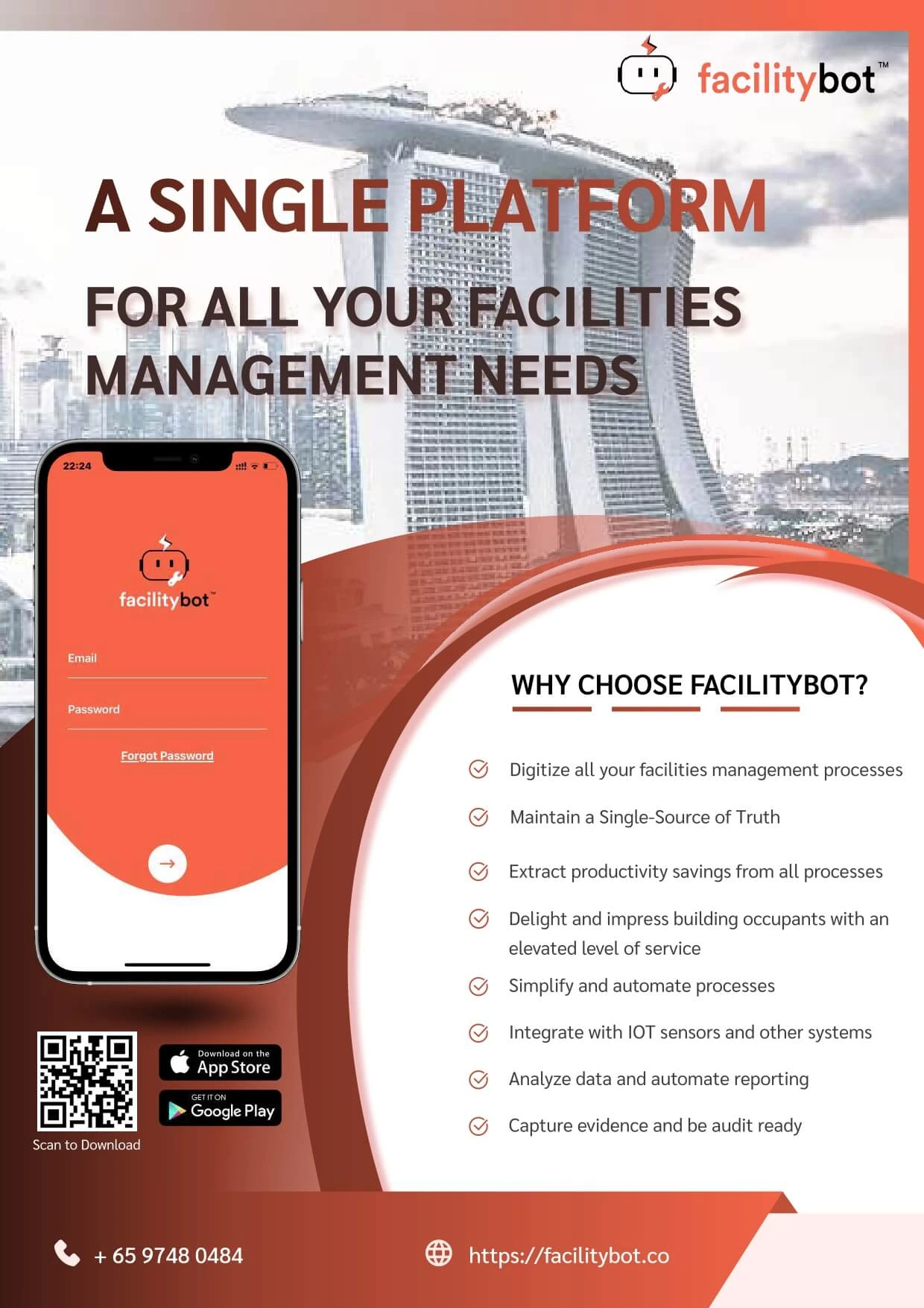
By consolidating all asset data and workflows in a single platform, FacilityBot empowers facility managers to transition from reactive to proactive asset management seamlessly.
The Future of Asset Management
The future of asset management is being defined by AI and automation:
- Autonomous EAM systems that schedule maintenance and allocate resources without human intervention.
- Integration with smart buildings and IoT devices for real-time asset intelligence.
- Digital twins for predictive simulations and optimization.
- AI-driven sustainability initiatives to reduce energy consumption and environmental impact.
Organizations that adopt AI-driven, next-gen EAM platforms will gain a competitive advantage by maximizing asset ROI, reducing costs, and ensuring operational resilience.
Conclusion
The shift toward AI asset management and next-gen EAM systems is revolutionizing how organizations manage their assets. By combining predictive analytics, real-time monitoring, and intelligent automation, facility managers can optimize maintenance, reduce downtime, and make informed decisions.
Platforms like FacilityBot make it possible to leverage AI and data-driven insights without complexity, helping organizations turn traditional asset management into a strategic advantage.
Investing in AI-driven EAM today is not just about technology—it’s about future-proofing operations, improving efficiency, and ensuring the long-term value of critical assets.