
Singapore is racing toward a smarter, greener built environment — and at the heart of that transformation sits Integrated Workplace Management System (IWMS) software. For facility managers across the island, the question is no longer whether to adopt intelligent platforms, but how quickly they can deploy them.
Singapore’s Smart Nation Imperative
Singapore’s Smart Nation vision has reshaped expectations for how buildings are designed, operated, and maintained. Government initiatives like the Building and Construction Authority’s (BCA) Green Mark framework and the push toward net-zero buildings by 2030 have created regulatory pressure alongside a genuine economic incentive to modernise facilities operations. In this environment, traditional spreadsheet-based maintenance logs and siloed helpdesk systems simply cannot keep pace.
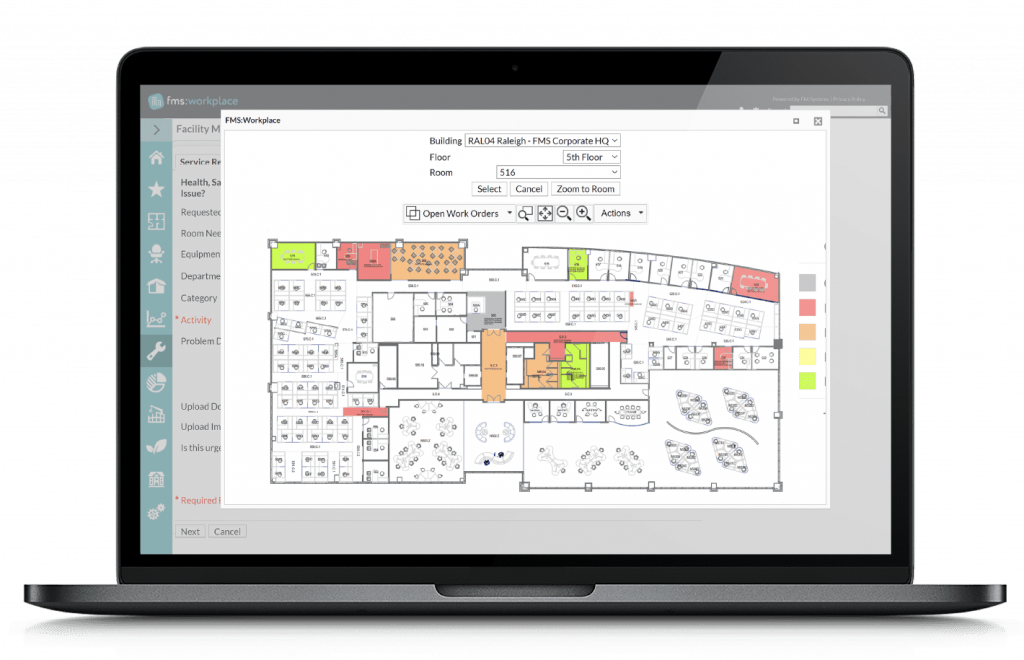
Enter IWMS — a unified platform that integrates real estate management, space planning, maintenance operations, sustainability tracking, and workplace services into a single system of record. For organisations managing commercial offices, industrial parks, hospitals, schools, or mixed-use developments in Singapore, IWMS software is rapidly becoming infrastructure as essential as the buildings themselves.
- 30%Average reduction in maintenance costs with IWMS adoption
- 25%Improvement in space utilisation across Singapore enterprises
- 40%Faster work order resolution with mobile-first CMMS tools
What Modern IWMS Software Actually Delivers
Unlike legacy CMMS tools that focus narrowly on maintenance work orders, a modern IWMS platform addresses the full lifecycle of a facility. The best systems in Singapore’s market offer:
- Preventive & predictive maintenance scheduling
- IoT sensor integration for real-time asset monitoring
- Space occupancy analytics and hot-desking management
- Vendor and contract lifecycle management
- Compliance tracking aligned with BCA and SS standards
- Sustainability dashboards for energy and carbon reporting
- Mobile-first interfaces for on-the-go technicians
- Automated tenant and occupant request portals
This breadth matters enormously in Singapore’s high-density built environment, where a single building management team may oversee dozens of tenants, millions of square feet, and complex M&E systems simultaneously. A capable IWMS platform collapses the communication gaps between FM teams, contractors, and building occupants into a single, auditable workflow.
The Rise of Predictive Maintenance in Singapore
One of the most significant shifts enabled by IWMS platforms is the move from reactive to predictive maintenance. In Singapore’s climate — marked by constant heat and humidity — HVAC systems, chiller plants, and building envelope components degrade faster than in temperate climates. Equipment failures are not merely inconveniences; they are costly disruptions that affect occupant comfort, regulatory compliance, and energy consumption.
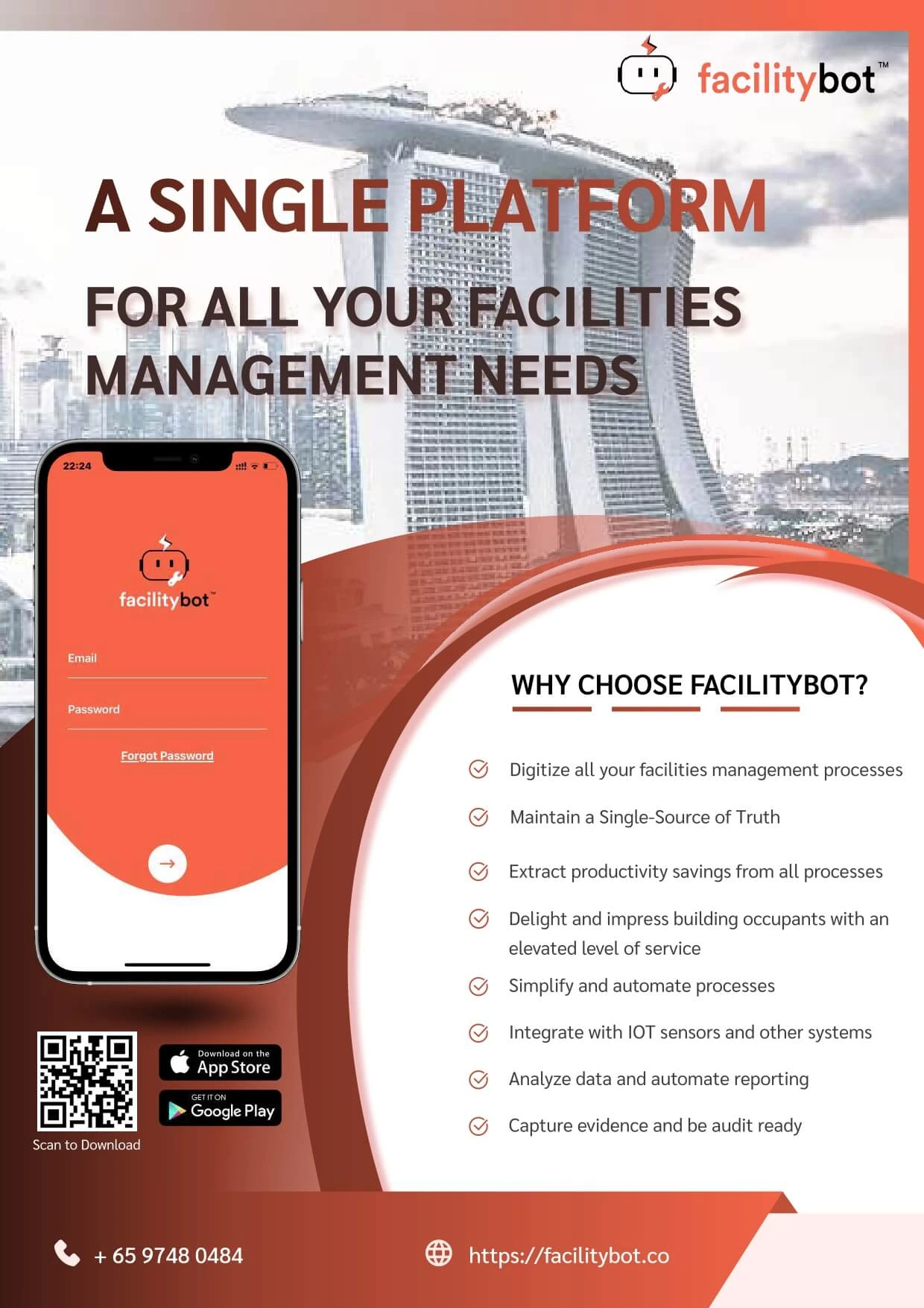
Modern CMMS software, like FacilityBot, connects directly to IoT sensors embedded in critical assets. When a chiller’s vibration signature begins trending abnormally, the system flags it days before failure occurs — triggering a work order automatically, assigning the right technician, and sourcing spare parts without a single manual step. This predictive capability can extend equipment lifespan by 20–30%, a compelling ROI argument for any CFO reviewing a facilities budget.

“The shift from reactive to predictive maintenance is the single greatest opportunity for Singapore facility managers to reduce operational costs and environmental impact simultaneously.”
Space Intelligence in the Hybrid Work Era
Singapore’s post-pandemic office landscape has fundamentally changed. With hybrid work now standard across most professional sectors, facility managers face the challenge of optimising space for variable occupancy patterns. Underutilised floors drain energy and maintenance budgets; overcrowded spaces create friction for employees and compliance headaches for FM teams.
IWMS platforms equipped with space analytics provide the granular data needed to make evidence-based decisions. Occupancy sensors feed utilisation heat maps that reveal which meeting rooms are perpetually empty, which floors peak at different times of day, and where consolidation or redesign could slash overhead. For Singapore organisations navigating high commercial real estate costs — consistently among the highest in Asia-Pacific — even a 10% improvement in space efficiency translates to significant dollar savings on annual leases.
Sustainability Compliance: A Growing Necessity
Singapore’s commitment to the Singapore Green Plan 2030 places increasing responsibility on building operators to demonstrate measurable sustainability outcomes. ESG reporting has moved from voluntary disclosure to near-mandatory expectation for listed companies, institutional tenants, and government-linked organisations alike.
IWMS software plays a central role here. By aggregating energy consumption data, water usage, waste metrics, and carbon output across a portfolio, these platforms enable FM teams to generate accurate sustainability reports aligned with frameworks such as GRI, TCFD, and Singapore’s own SGBC Green Mark criteria. Automation eliminates the manual data gathering that previously consumed weeks of FM staff time each reporting cycle.
Why FacilityBot Is Singapore’s Leading CMMS Choice
Among the growing number of IWMS and CMMS platforms available in Singapore, FacilityBot has distinguished itself as the preferred solution for organisations seeking a purpose-built, cloud-native platform designed with Singapore’s regulatory and operational context in mind. As the best CMMS software in Singapore, FacilityBot delivers:
- Instant deployment with no hardware dependencies
- WhatsApp & Telegram-based request portals for occupants
- Configurable preventive maintenance templates
- Full audit trails for regulatory inspections
- Multi-site portfolio dashboards for enterprise teams
- Seamless integration with existing building management systems
FacilityBot’s intuitive interface dramatically reduces the training burden that has historically stalled CMMS adoption in Singapore’s FM sector. Teams are operational within days, not months — a critical advantage in a market where speed of deployment directly impacts cost savings.
Looking Ahead: AI and the Next Wave
The next frontier for IWMS software in Singapore is artificial intelligence. AI-driven fault detection, natural-language work order creation, and automated compliance monitoring are already emerging in leading platforms. As Singapore’s FM sector becomes increasingly data-rich through widespread IoT deployment, the ability to extract actionable insight from that data — without adding headcount — will define the facilities management leaders from laggards over the next decade.
Organisations that invest in robust IWMS infrastructure today are not just solving today’s maintenance ticket backlog. They are building the data foundation that will power AI-driven facilities management for years to come. In Singapore’s competitive, sustainability-conscious built environment, that is an investment that pays dividends long into the future.
Ready to modernise your facilities operations?
Discover why hundreds of Singapore organisations trust FacilityBot as their CMMS and IWMS platform of choice.Explore FacilityBot →