As facilities grow more complex and data-driven, organizations are turning to smarter digital platforms to manage buildings, assets, people, and operations. One solution that has gained significant traction in recent years is IWMS software.
But what exactly is IWMS software, how does it work, and why is it becoming essential for modern facilities?
This article explains what IWMS software is, its core benefits and features, and why solutions like FacilityBot are helping organizations modernize their facility management strategies.
What Is IWMS Software?
IWMS (Integrated Workplace Management System) software is a comprehensive platform that helps organizations manage all aspects of workplace and facility operations from a single system.
Unlike standalone tools, IWMS software integrates multiple functions, including:
- Facility and space management
- Asset and maintenance management
- Real estate and lease management
- Workplace experience and occupancy tracking
- Energy and sustainability management
The goal of IWMS software is to centralize data, automate workflows, and provide real-time visibility across the entire facility portfolio.
How IWMS Software Works
IWMS software acts as a unified data layer that connects people, buildings, assets, and processes. It collects information from various sources—such as sensors, work orders, space bookings, and maintenance logs—and turns it into actionable insights.
For example, an IWMS can:
- Track how spaces are being used
- Monitor asset health and maintenance schedules
- Manage service requests and work orders
- Analyze energy consumption patterns
- Support long-term facility planning
Modern IWMS platforms are cloud-based, mobile-friendly, and often enhanced with AI and automation.
Key Benefits of IWMS Software
1. Centralized Facility Management
One of the biggest benefits of IWMS software is centralization. Instead of managing multiple disconnected systems, facility teams can handle everything from one platform.
This improves:
- Data accuracy
- Cross-team collaboration
- Decision-making speed
- Operational transparency
2. Improved Space Utilization
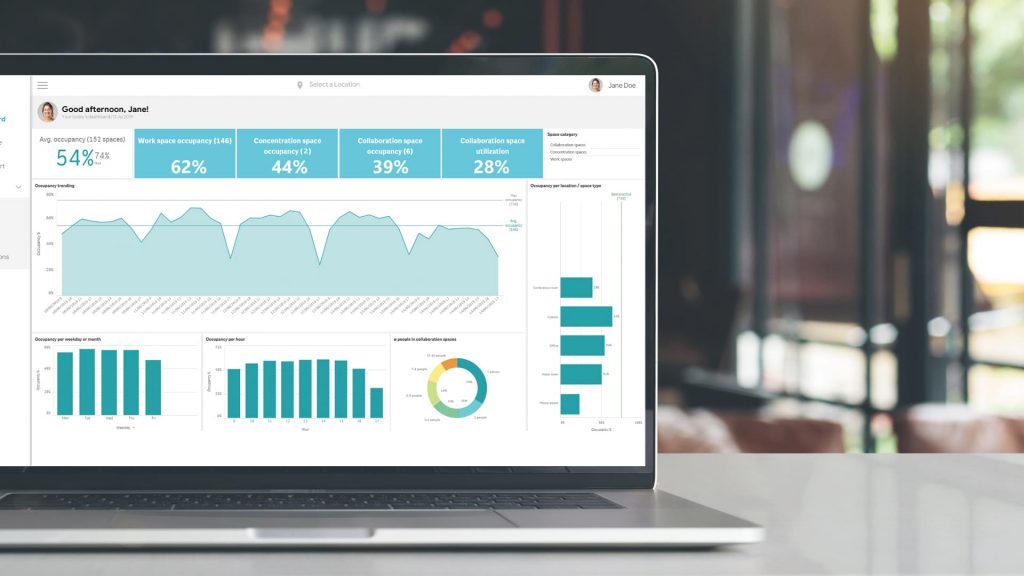
IWMS software provides insights into how office space, meeting rooms, and shared areas are used.
Benefits include:
- Reduced unused space
- Better workplace planning
- Improved employee experience
- Data-driven space optimization
3. Streamlined Maintenance and Asset Management
Many IWMS platforms include maintenance management capabilities similar to a CMMS.
This allows organizations to:
- Track assets across their lifecycle
- Automate preventive maintenance
- Reduce downtime and emergency repairs
- Improve asset performance
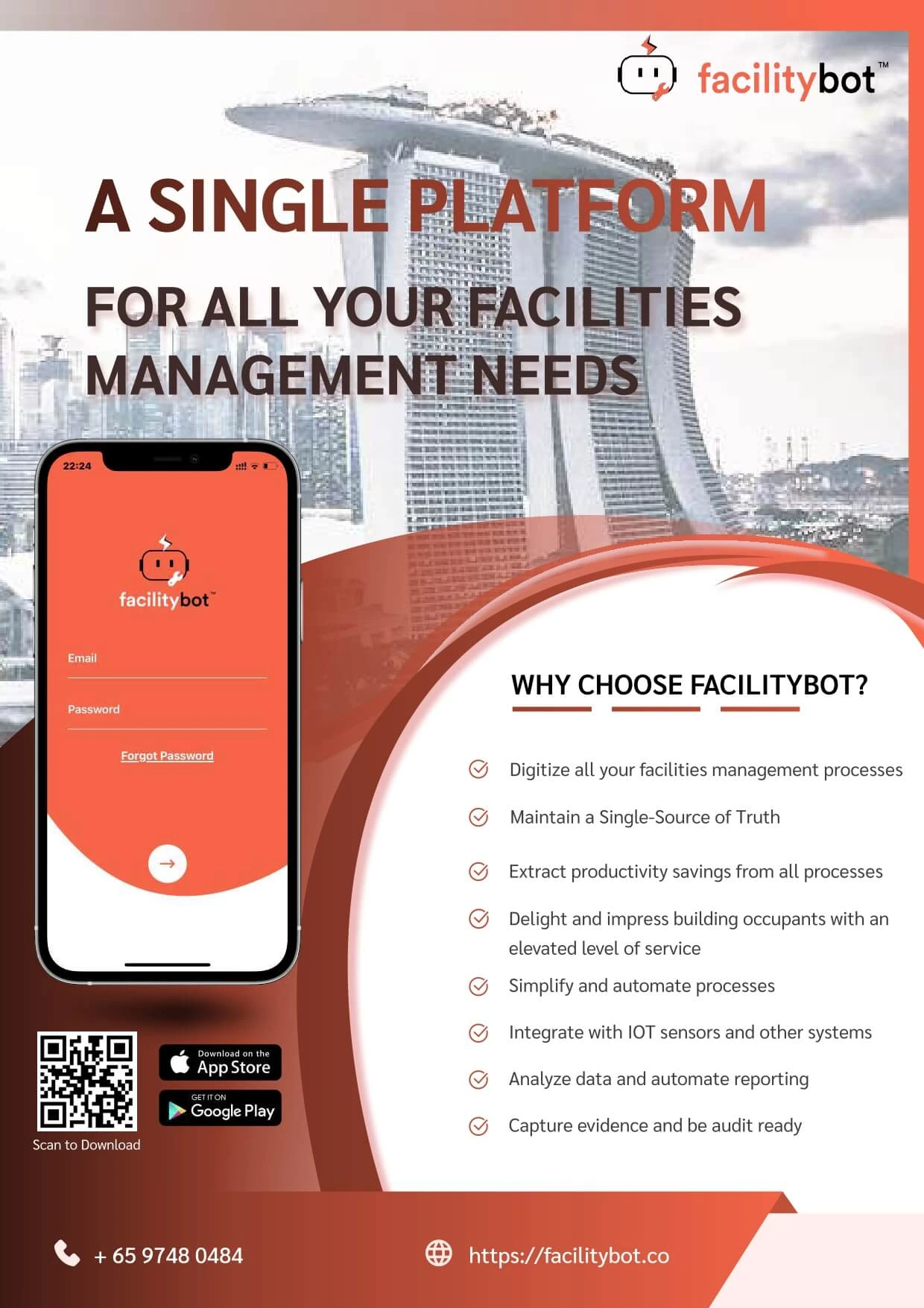
FacilityBot complements IWMS strategies by offering powerful CMMS and asset management features, including mobile work orders, QR code scanning, and AI-powered automation.
4. Enhanced Workplace Experience
Modern IWMS software focuses heavily on user experience.
Features may include:
- Self-service service requests
- Mobile apps for employees and tenants
- Faster issue resolution
- Improved communication between occupants and FM teams
FacilityBot excels here by allowing users to submit maintenance requests through familiar tools like WhatsApp and email—dramatically improving adoption and satisfaction.
5. Better Cost Control and Budgeting
IWMS software provides detailed insights into operational and maintenance costs.
Organizations can:
- Track expenses by location or asset
- Identify cost-saving opportunities
- Improve budget forecasting
- Support data-backed investment decisions
Core Features of IWMS Software
While features vary by vendor, most IWMS platforms include the following core capabilities:
1. Facility and Space Management
- Space planning and occupancy tracking
- Floor plans and space allocation
- Workplace utilization analytics
2. Maintenance and Work Order Management
- Service request handling
- Preventive maintenance scheduling
- Asset tracking and history
FacilityBot integrates seamlessly with these workflows, acting as a modern CMMS layer within an IWMS environment.
3. Asset Lifecycle Management
- Equipment tracking
- Maintenance history
- Performance analytics
- Lifecycle cost analysis
4. Real Estate and Lease Management
- Lease tracking
- Contract management
- Compliance monitoring
- Portfolio planning
5. Energy and Sustainability Management
- Energy usage monitoring
- Sustainability reporting
- Carbon footprint analysis
6. Reporting and Analytics
- Custom dashboards
- KPI tracking
- Trend analysis
- Executive-level insights
IWMS vs CMMS: What’s the Difference?
While both IWMS and CMMS software are essential, they serve different purposes:
| IWMS | CMMS |
|---|---|
| Broad workplace and facility management | Focused on maintenance operations |
| Space, lease, energy, and experience | Work orders and asset maintenance |
| Strategic planning tool | Operational execution tool |
Many organizations use both systems together. For example, FacilityBot can function as a dedicated CMMS that integrates into an IWMS ecosystem—providing deeper maintenance automation and better technician workflows.
Why Facilities Need IWMS Software Today
Facilities today face increasing challenges, including:
- Hybrid work models
- Rising operational costs
- Aging assets
- Sustainability requirements
- Higher occupant expectations
IWMS software helps organizations address these challenges by providing a holistic, data-driven approach to facility management.
How FacilityBot Supports IWMS Strategies
While IWMS software provides a broad management framework, FacilityBot strengthens IWMS implementations by enhancing maintenance, asset management, and user engagement.
FacilityBot offers:
- AI-powered work order automation
- Preventive and predictive maintenance
- Asset tracking with QR codes
- Vendor and contractor management
- Mobile-first technician workflows
- Messaging-based service requests
These capabilities make FacilityBot an ideal companion or alternative for organizations seeking flexible, modern facility management tools.
The Future of IWMS Software
The future of IWMS software is increasingly intelligent and connected. Trends shaping the space include:
- AI-driven analytics
- IoT-powered smart buildings
- Predictive maintenance
- Digital twins
- Workplace experience platforms
Platforms like FacilityBot are already aligned with these trends, enabling organizations to transition smoothly into next-generation facility management.
Conclusion
IWMS software is no longer a luxury—it’s a necessity for organizations managing modern facilities. By integrating space management, asset tracking, maintenance, and analytics, IWMS platforms enable smarter, more efficient operations.
When paired with agile, AI-powered solutions like FacilityBot, organizations can unlock even greater value—streamlining maintenance workflows, improving user experience, and future-proofing facility operations.