

In today’s dynamic business landscape, organizations need more than just spreadsheets to manage their finances effectively. They require intelligent tools that enable real-time visibility, strategic resource allocation, and informed procurement decisions. This is where budget management software steps in. Budget management software helps organizations plan, track, and control their spending by offering real-time insights, customizable
Author Archives: Anns Ahmad
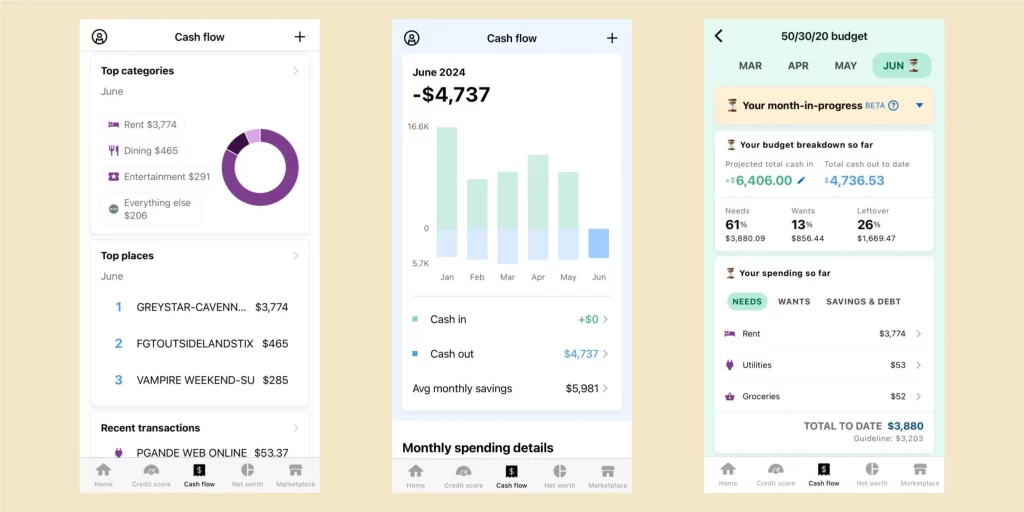
When it comes to financial success—either personal or professional—budgeting is the cornerstone. Whether you’re a homeowner, freelancer, business owner, or facility manager, the right budgeting software can save you time, reduce stress, and help you make smarter decisions. In 2025, budgeting tools have become more powerful, more automated, and more tailored to different needs. But

Procurement costs—both direct and indirect—can quietly erode your company’s profit margins if left unmanaged. From transaction fees and legal reviews to late payment penalties and customs charges, expenses stack up quickly during the procure-to-pay (P2P) process. Thankfully, with the right procurement cost reduction strategies, your business can eliminate waste, unlock value from vendor relationships, and
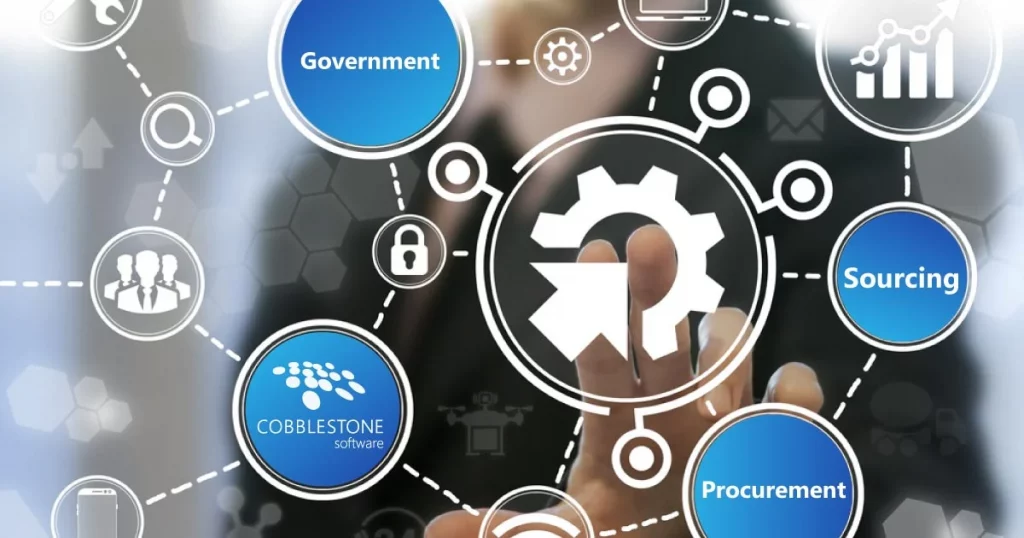
Procurement contract management software is essential for streamlining vendor relationships, automating workflows, and ensuring compliance across procurement processes. In 2025, businesses are demanding integrated solutions that offer real-time visibility, centralized contract repositories, and robust analytics. Whether you’re in facilities management, construction, healthcare, or retail, the right tool can drastically reduce risk, improve productivity, and enhance
Procurement Management
Online Procurement Management System in Singapore for Efficient Facility Management
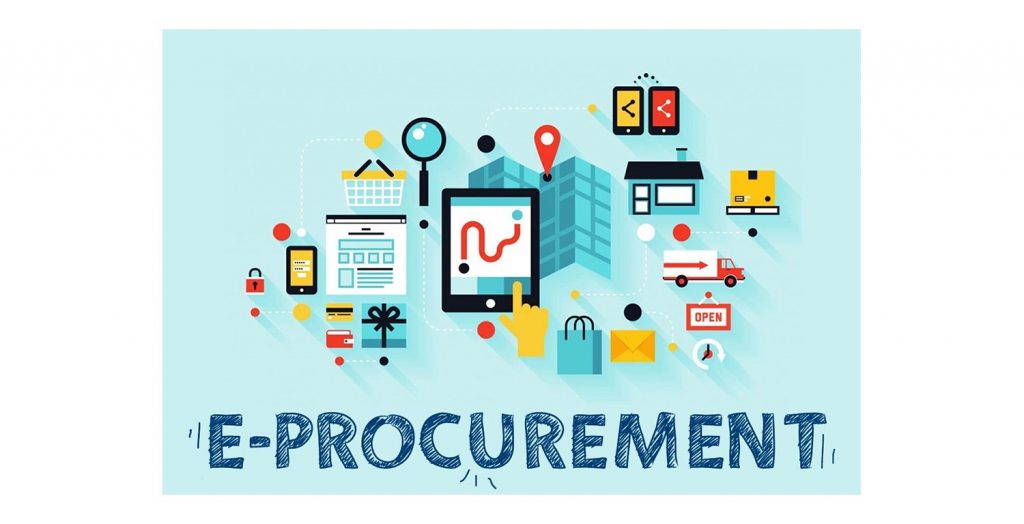
Welcome to Facility Bot – Your Trusted Partner for Streamlined Procurement Operations In today’s fast-paced world, managing procurement processes effectively is crucial for business success. At Facility Bot, we understand the unique challenges faced by businesses in managing procurement tasks, especially in facilities management. Our Online Procurement Management System is designed to help you optimize
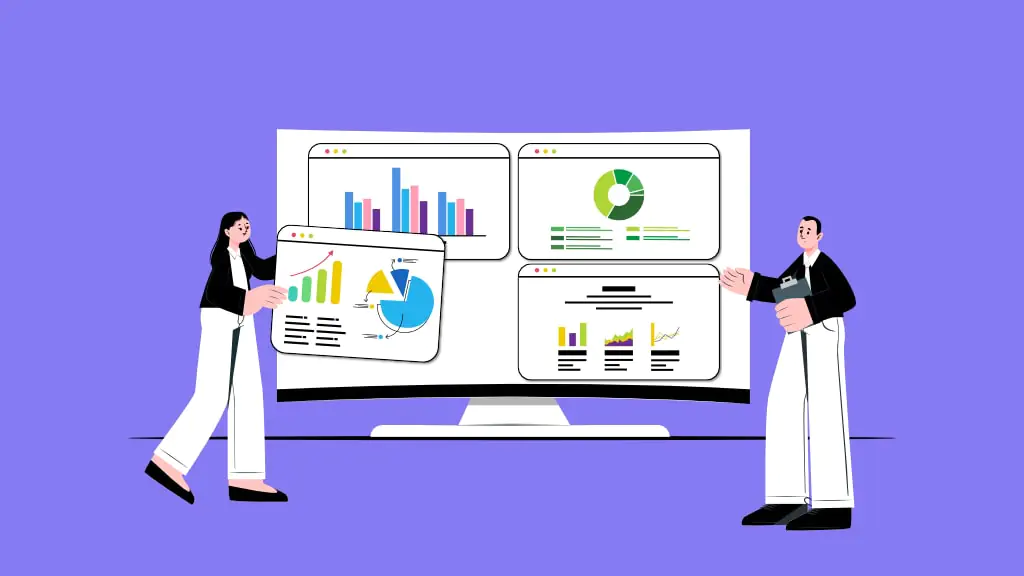
Effective procurement plays a critical role in the success of any project. Whether you’re managing a construction site, IT implementation, or facilities upgrade, ensuring that goods and services are sourced properly can make or break your project timeline and budget. In this article, we explore the six phases of project procurement management process, providing practical
Procurement Management
Indirect Procurement Manager: Role, Responsibilities, and Strategic Importance

In today’s competitive business environment, companies must streamline every aspect of their operations to remain efficient and profitable. One of the most overlooked yet critical areas in spend management is indirect procurement. This is where the Indirect Procurement Manager plays a vital role. With increasing digitalization and global supply chain complexity, the need for expert
Procurement Management
The Importance of Procurement Management: Why It Matters for Modern Businesses

Procurement management is a critical function in any organization, responsible for the strategic and operational process of acquiring the products, materials, goods, and services that a business needs to function effectively. Often confused with terms like sourcing and purchasing, procurement management encompasses a wider scope. While sourcing is more strategic and purchasing is operational, procurement
In today’s dynamic business landscape, procurement management plays a crucial role in helping organizations acquire the right goods and services at the right time, cost, and quality. But to truly succeed, procurement professionals must operate with a clear set of objectives. Defining and achieving procurement goals ensures a streamlined, cost-effective, and risk-mitigated purchasing process. In

Procurement is a vital function in construction management, impacting the success of every phase of a construction project. In construction, procurement refers to the process of sourcing, acquiring, and managing the goods, services, and contracts necessary for completing a project. This includes everything from raw materials and subcontractors to specialized services and equipment. Construction management