
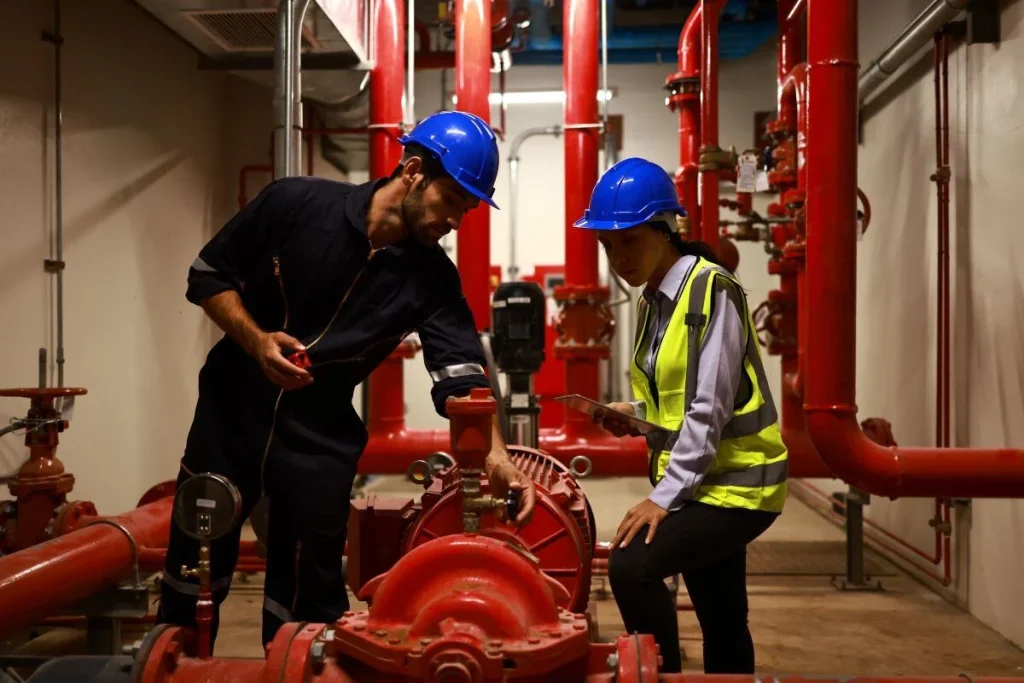
A fire pump spends almost its entire life doing nothing. It sits in a pump room, quiet and clean, waiting for the one day a sprinkler system demands more pressure than the water supply can give. On that day, nothing else matters except whether it starts, whether it delivers, and whether it keeps running. That
Author Archives: Anns Ahmad
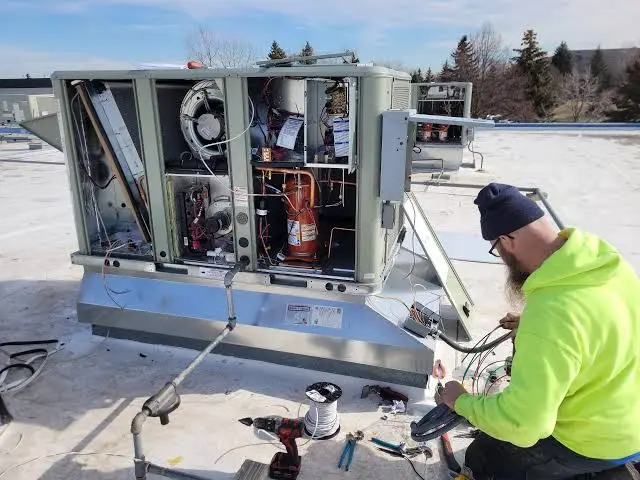
Rooftop units have one built-in disadvantage: they are out of sight. A technician cannot hear a failing bearing from the ground floor, and a facilities manager rarely notices a clogged filter until a tenant complains about a warm office. By then the unit has usually been struggling for weeks. That is why rooftop unit maintenance
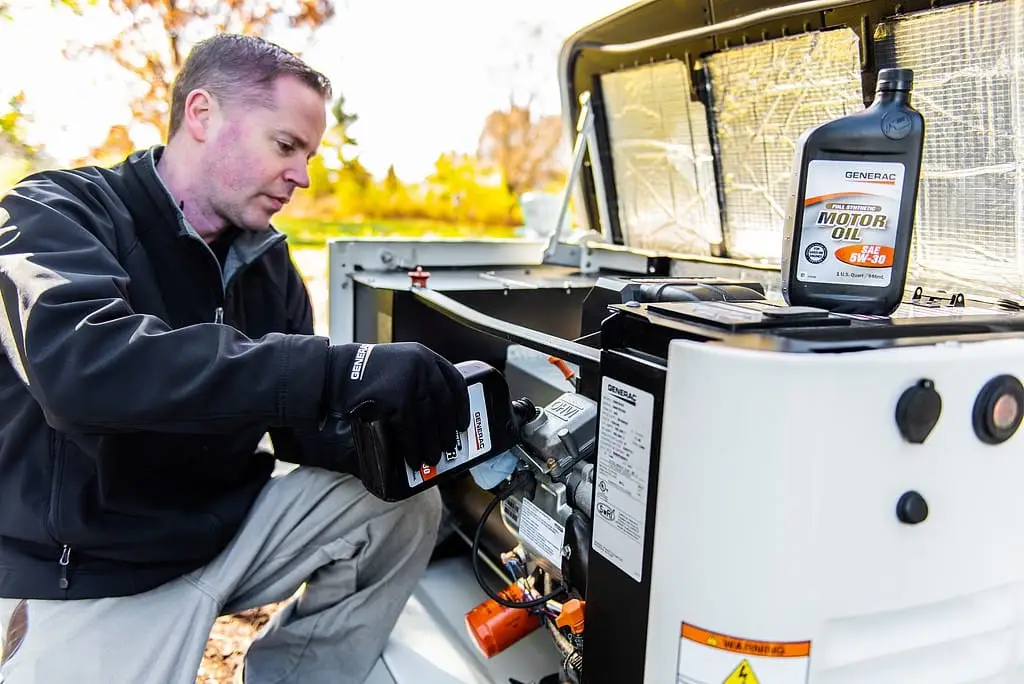
A backup generator is the one piece of equipment in your building that is judged almost entirely on a single moment. For months, it sits idle. Then the grid fails, and for the next few hours, everything from lighting and lifts to fire pumps, servers, and refrigeration depends on it starting on the first attempt
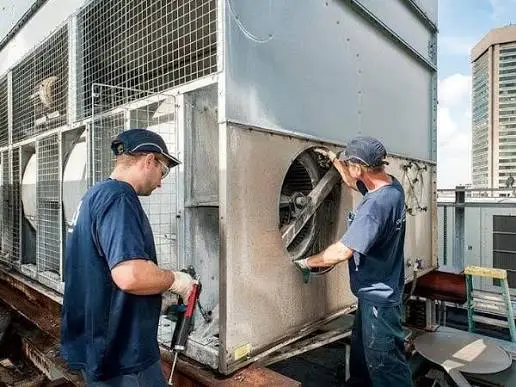
Ask most facilities managers where to look for energy savings and reliability gains, and the cooling tower rarely makes the list. It sits on the roof or beside the plant room, rejecting heat quietly, until the day it does not. A fouled fill pack, a clogged nozzle, or a neglected water treatment program does not
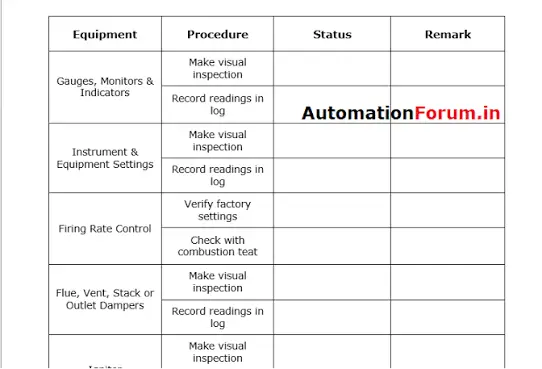
Most boilers run for years without drama, which is exactly why they get neglected. The checklist lives in a binder, the log book has a gap or two, and everyone assumes the safety devices are working because the boiler is. That assumption is where the risk sits. A boiler stores a large amount of energy
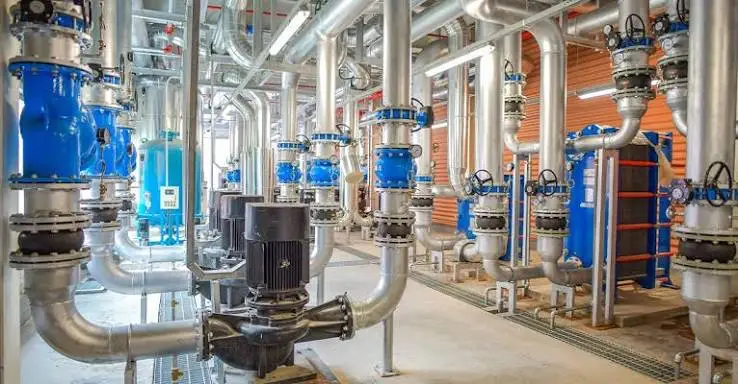
A chiller is usually the largest single energy user and one of the most expensive pieces of plant in a building. It is also one of the least forgiving. When a chiller goes down on a hot afternoon, there is no quick workaround: occupants get uncomfortable, process loads overheat, and the repair bill arrives with
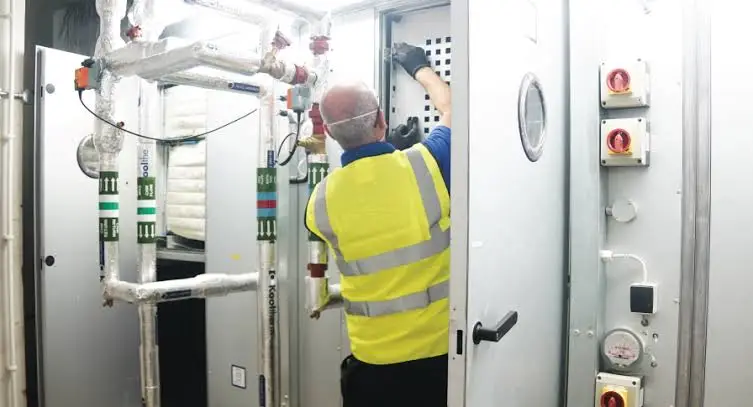
Air handling units rarely get attention when they are working. They sit on rooftops and in plant rooms, quietly moving, filtering, heating, and cooling the air that every occupant breathes. It is only when a belt snaps, a drain pan overflows onto a ceiling, or a coil freezes that someone remembers they exist. Good air

Somewhere in your building, a controller already knows that a pump is vibrating more than it did last month, that a chiller’s approach temperature is creeping up, and that an air handler’s filter is clogged. It knows because it is measuring those things every few seconds. Meanwhile, your maintenance team finds out about the same
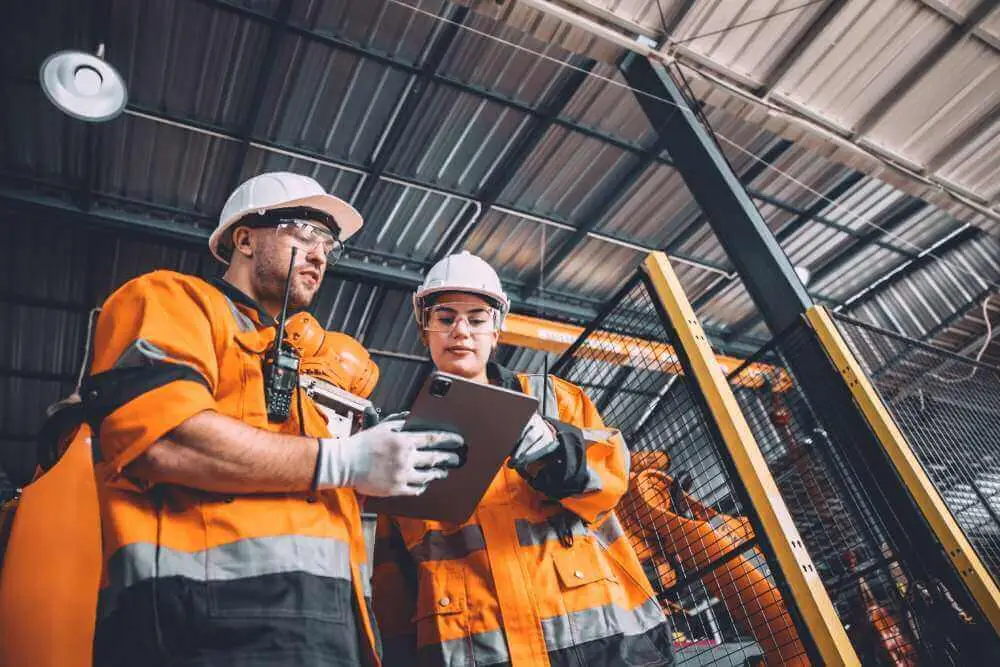
Ask a manufacturing engineer how a production line is doing and you will get a number: its OEE. Ask most facilities teams how the chillers, air handlers, and pumps are doing and you will get a story. “They’ve been okay.” “We had a rough August.” “The east wing is always a problem.” Stories are useful,
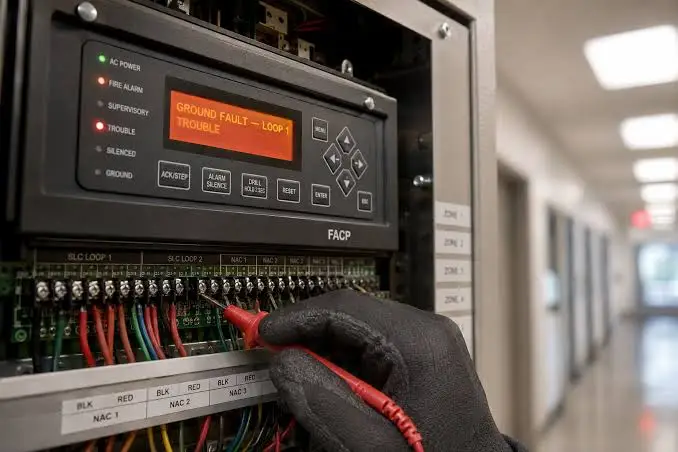
It is 7 AM. A yellow light is glowing on the fire alarm panel and a small buzzer is chirping every few seconds. Nobody is evacuating, nothing is on fire, but everyone who walks past asks the same question: “Is that something we should worry about?” The answer is yes, though not in the way