
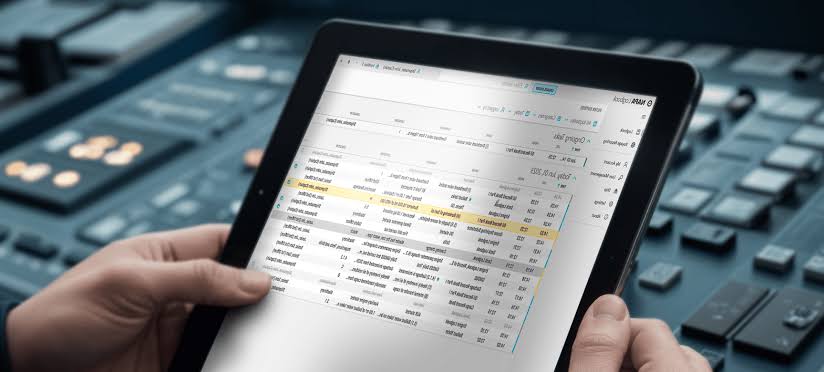
Manual permit to work processes are becoming a liability that most facilities can no longer afford. Paper-based permits, handwritten sign-offs, and disconnected approval chains create blind spots that put contractors, employees, and compliance records at risk. This is why more organizations are adopting electronic permit to work software to bring structure, speed, and accountability to
Author Archives: Anns Ahmad
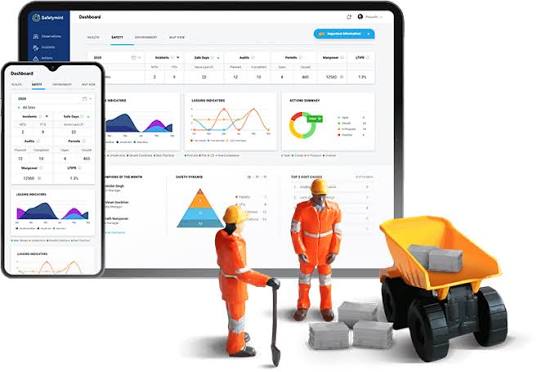
High-risk maintenance and construction work has always carried a fundamental safety challenge. Before a technician enters a confined space, performs electrical work on live systems, conducts hot work near flammable materials, or executes any other hazardous task, the organisation must be certain that the right safety protocols are in place, the right personnel are qualified

The buildings we occupy, operate, and invest in are under more pressure than ever before. Rising energy costs, tightening regulatory requirements, increasing occupant expectations, and the operational complexity of managing sophisticated building systems simultaneously have made facilities management one of the most demanding disciplines in the modern built environment. Organisations that approach this challenge with

Physical assets are the foundation of every building’s operational capability. HVAC systems, electrical infrastructure, lifts, fire suppression equipment, plumbing networks, and the hundreds of other components that keep a modern facility functional represent significant capital investment and ongoing operational cost. How well those assets are tracked, maintained, and managed across their entire lifecycle determines whether
Modern buildings are more complex than they have ever been. They house diverse tenant populations with rising service expectations, operate under increasingly stringent regulatory compliance requirements, incorporate sophisticated mechanical and electrical systems that demand expert maintenance, and are expected to perform against sustainability targets that would have seemed ambitious just a decade ago. The facility
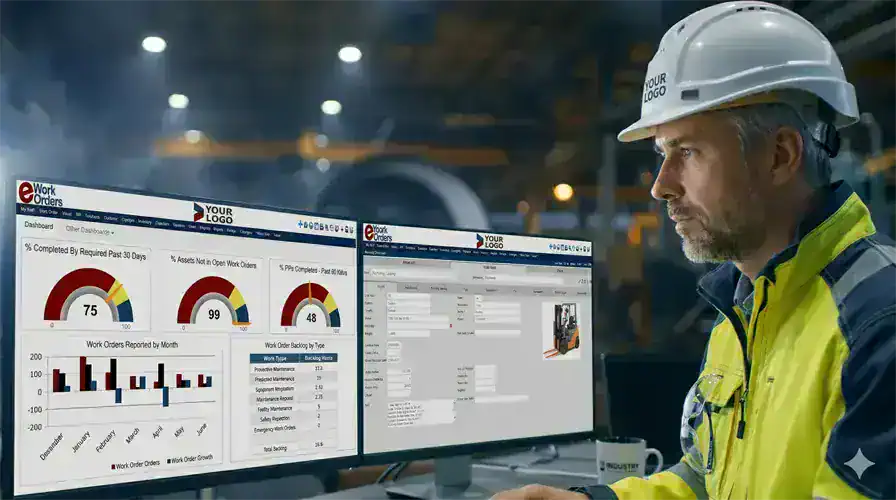
The work order is the fundamental unit of maintenance management. Every maintenance request, every repair job, every preventive service task, and every compliance inspection begins and ends with a work order. When the work order process runs efficiently, with requests captured completely, assignments made intelligently, execution tracked in real time, and completions documented accurately, the

Every maintenance operation has experienced the same frustrating scenario. A critical piece of equipment fails. The technician arrives, diagnoses the fault, and reaches for the spare part — only to discover it is out of stock. The repair is delayed while the part is sourced and delivered. Equipment sits idle. Occupants complain. And somewhere in
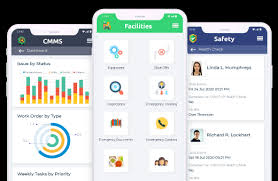
Maintenance work happens in the field. Technicians are on the floor, in equipment rooms, on rooftops, and across building zones — not at desks in front of desktop computers. Yet for years, the systems designed to manage their work were built primarily for desktop environments, requiring technicians to return to a workstation to log updates,

For organisations evaluating maintenance management software, one question consistently creates confusion before the selection process even begins: should we be looking at a CMMS or an EAM? The terms are often used interchangeably in vendor marketing, yet they represent genuinely different scopes of capability, different implementation complexity, and different total cost of ownership. Choosing incorrectly

Manufacturing operations run on uptime. Every minute a production line is stopped, every unplanned equipment failure that interrupts a shift, and every preventive maintenance task missed because nobody tracked the schedule represents direct financial loss — in lost output, emergency repair costs, expedited parts procurement, and the cascading production delays that ripple across the entire