Work orders are the heartbeat of any facilities management operation. Every maintenance request, every inspection, every repair job — it all flows through the work order process. When that process runs smoothly, buildings operate efficiently, assets stay healthy, and occupants remain satisfied. When it breaks down, the consequences ripple outward: delayed repairs, missed compliance deadlines, frustrated tenants, and mounting costs.
For most organisations, the work order process still relies heavily on manual intervention. Requests arrive through email, phone calls, or informal messages. A coordinator interprets and logs them. Someone assigns them. A technician eventually receives the job. Updates get communicated through follow-up calls. Completion gets recorded — sometimes. It works, after a fashion, but it is slow, error-prone, and impossible to scale without adding headcount.
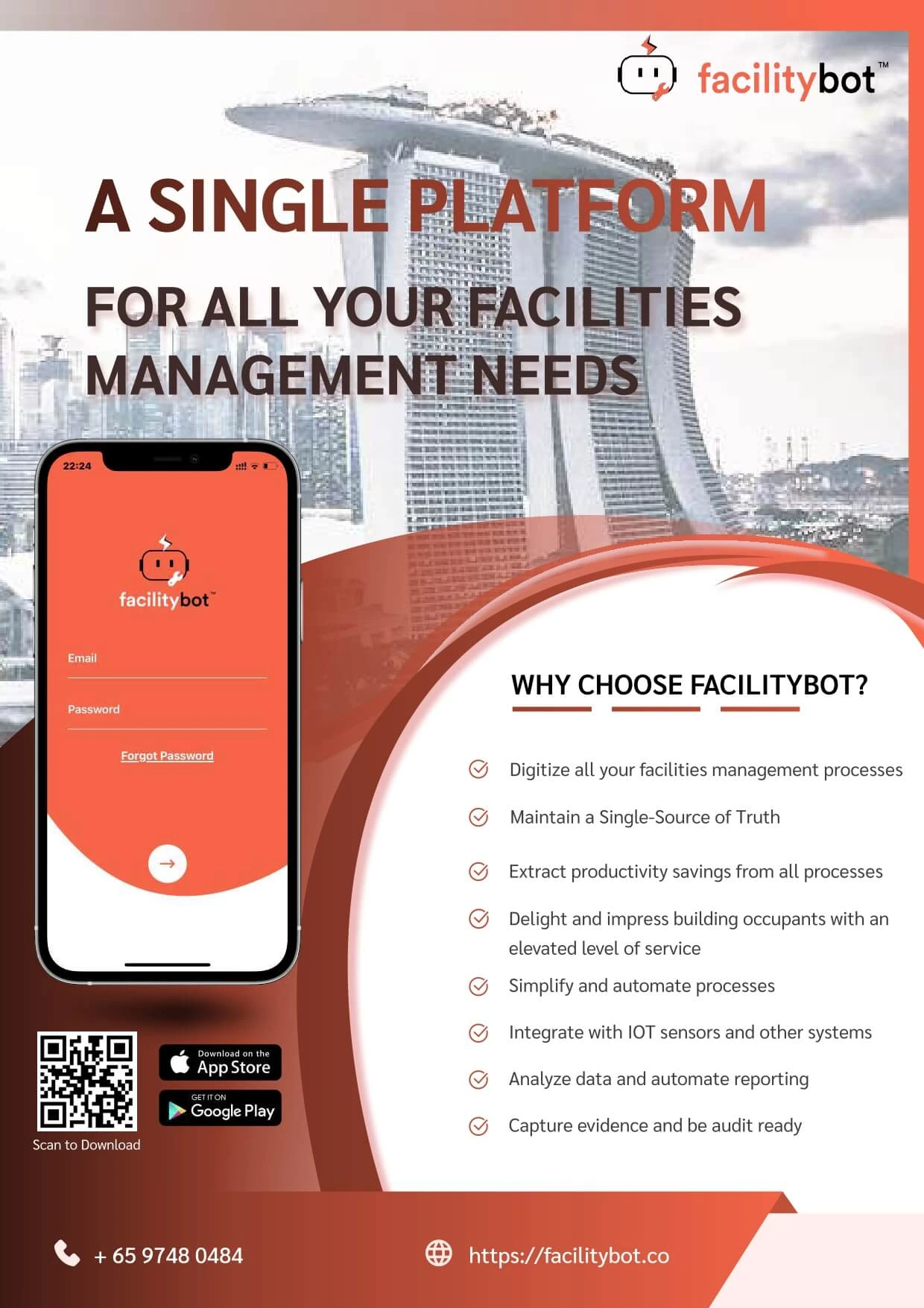
Integrated Workplace Management System (IWMS) software changes all of this. With the right platform — like FacilityBot, Singapore’s best CMMS software — work order automation transforms a fragmented, labour-intensive process into a seamless, intelligent operational system. This guide explains exactly how that transformation happens and what it means for your facility.
The Hidden Cost of Manual Work Order Management
Before exploring automation, it is worth understanding what manual work order management actually costs an organisation — because the full picture is rarely visible in a single budget line.
The direct costs are obvious: coordinator time spent logging, assigning, and chasing work orders; technician time lost to unclear or incomplete job information; supervisory time consumed by status update requests. But the indirect costs are where the real damage accumulates. Assets that do not get serviced on schedule degrade faster, consuming larger repair budgets and requiring earlier replacement. Compliance tasks that slip through administrative cracks expose organisations to regulatory penalties. Tenant dissatisfaction from slow response times drives lease non-renewals in commercial buildings. And without accurate data on maintenance activity, capital planning decisions get made on instinct rather than evidence.
Collectively, these costs are substantial. Organisations that have made the transition to automated work order management consistently report that the efficiency gains alone justify the investment within the first year — often within the first few months.
How IWMS Software Automates the Work Order Lifecycle
Work order automation through an IWMS platform does not simply speed up the existing manual process. It restructures the entire lifecycle — from how requests are submitted to how completed work is documented and analysed. Here is how each stage transforms.

Request Submission
In a manual system, requests come through inconsistent channels and arrive in varying levels of detail. A tenant emails to say “the air-con is broken” with no indication of which unit, which floor, or how long it has been faulty. A coordinator must follow up for clarification before anything else can happen.
FacilityBot replaces this with structured submission portals accessible via web browser, mobile app, WhatsApp, or Telegram — channels that Singapore’s building occupants already use daily. Submission forms guide requestors through the relevant fields: location, asset, fault description, urgency level, and supporting photographs. The system receives complete, actionable information from the first interaction, eliminating the back-and-forth that delays so many work orders before they even begin.
Automatic Categorisation and Prioritisation
Once a request is submitted, an IWMS platform categorises it automatically based on the information provided. Electrical faults are tagged as electrical. HVAC issues are categorised accordingly. Fire safety-related requests are immediately flagged as high priority. This categorisation happens instantly and consistently — without a coordinator reading each request and making a judgement call that might vary depending on their experience level or current workload.
Priority assignment follows the same logic. FacilityBot applies configurable priority rules that reflect each organisation’s specific operational requirements — ensuring that a lift breakdown in a hospital is treated with appropriate urgency while a lightbulb replacement in a storage room is scheduled efficiently without consuming emergency response capacity.
Intelligent Routing and Assignment
Automatic categorisation enables automatic routing. Rather than a coordinator deciding who should handle each job, the IWMS platform applies pre-configured assignment logic based on asset type, fault category, building zone, technician skill set, and current workload.
The right technician receives the work order directly on their mobile device — complete with asset history, service manuals, location details, and any relevant compliance requirements. They have everything needed to do the job without making a single call to the helpdesk. Response times drop dramatically, and the quality of first-visit resolution improves because technicians arrive prepared.
Automated Escalations and Notifications
One of the most operationally significant features of IWMS work order automation is the escalation engine. FacilityBot allows facility managers to define exactly what happens when a work order is not acknowledged, not started, or not completed within the expected timeframe.
Escalation rules trigger automatically — notifying supervisors, facilities managers, or senior leadership at defined intervals without requiring anyone to monitor a dashboard and manually decide when to intervene. Simultaneously, requestors receive automatic status updates at key milestones: acknowledgement, assignment, commencement, and completion. This transparency eliminates the flood of status enquiry calls that consumes so much coordinator time in manual operations.
Completion, Documentation, and Sign-Off
When a technician completes a job, FacilityBot’s mobile interface guides them through the required closeout steps. Job notes, photographic evidence, parts consumed, and time spent are all captured on-site before the work order can be marked complete. For compliance-sensitive tasks, mandatory checklists ensure that every required step is documented before closure is permitted.
Digital sign-off from the requestor or a supervisor can be captured directly through the platform, creating a complete, timestamped record of the entire job lifecycle. This documentation is immediately available for audit purposes — no filing, no scanning, no searching through paper records.
Preventive Maintenance Work Orders: Automation at Scale
Beyond reactive maintenance, IWMS work order automation truly demonstrates its power in preventive maintenance scheduling. FacilityBot allows facility managers to configure maintenance schedules for every asset in their portfolio — specifying intervals, required tasks, assigned technicians, and compliance documentation requirements.
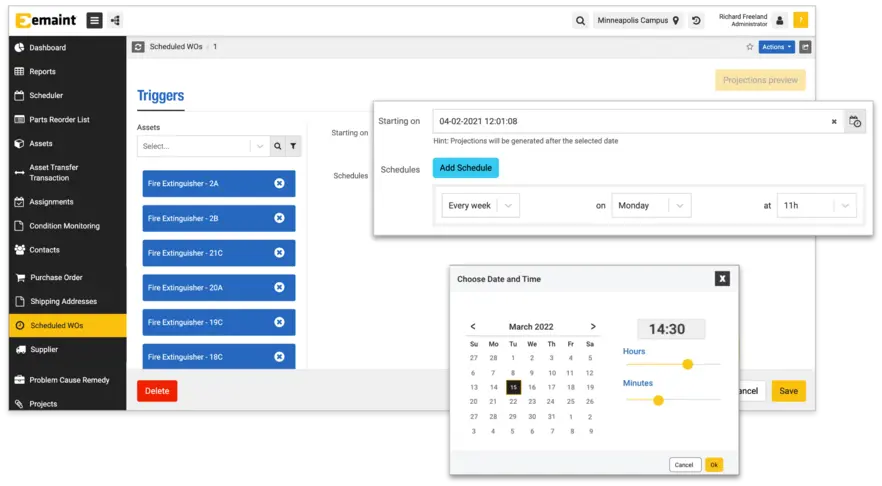
The platform then generates preventive maintenance work orders automatically at the right time, assigns them to the right people, and tracks completion without any manual intervention from the scheduling team. Across a large portfolio with hundreds or thousands of assets, this automation eliminates an enormous administrative burden while ensuring that no asset is overlooked and no service interval is missed.
The compounding benefit over time is significant. Assets that are consistently maintained according to schedule experience fewer failures, last longer, and consume less energy. The data accumulated through automated preventive maintenance work orders also builds a rich asset history that informs smarter replacement and capital planning decisions.
The Data Advantage of Automated Work Orders
Every automated work order creates a data point. Across thousands of work orders over months and years, that data accumulates into one of the most valuable operational datasets a facility manager can possess.
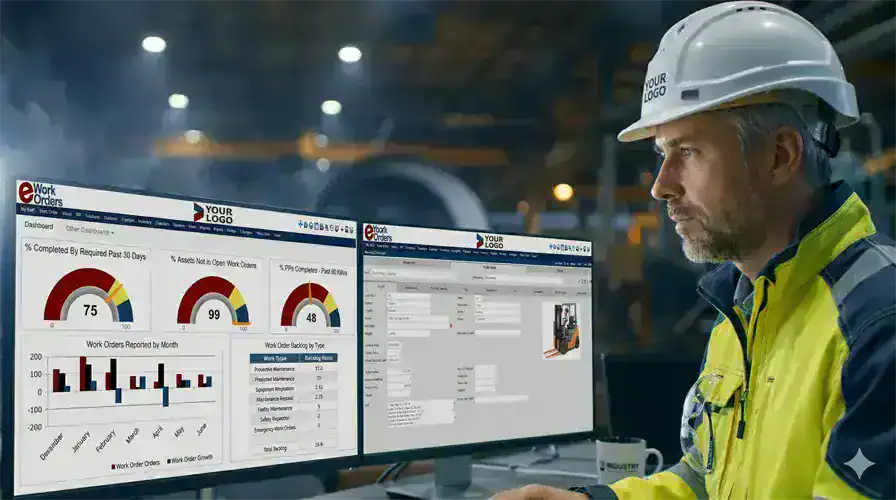
FacilityBot’s analytics layer transforms this data into actionable insight. Which assets generate the most corrective work orders? Which building zones experience the highest fault rates? Which technicians resolve jobs fastest? Where are response time targets being missed consistently? What is the true cost of maintaining each asset class across the portfolio?
These questions, previously answerable only through laborious manual analysis, become straightforward reporting queries in an IWMS platform. The answers inform better decisions about resourcing, asset investment, service level targets, and contractor performance — shifting facilities management from a reactive operational function to a proactive strategic one.
Implementation: Getting Started with Work Order Automation
The prospect of implementing work order automation can feel daunting, particularly for organisations that have operated manually for years. The good news is that modern IWMS platforms are designed for rapid deployment without extensive IT involvement.
FacilityBot is cloud-native and requires no on-premise hardware. Organisations can be fully operational within days, not months. The platform’s intuitive configuration tools allow facility managers to build their asset register, define routing rules, configure escalation logic, and set up submission portals without requiring technical expertise. Pre-built templates for common FM scenarios accelerate the setup process further.
A phased approach works well for most organisations — beginning with reactive work order automation, then layering in preventive maintenance scheduling, and progressively refining workflows as the team gains confidence with the platform.
The Future Is Automated
The direction of travel in facilities management is unambiguous. Manual work order management is giving way to automated, data-driven operations — and organisations that make that transition sooner will compound the benefits over time while their competitors continue absorbing the hidden costs of inefficiency.
FacilityBot gives Singapore facility managers the complete IWMS platform needed to automate the full work order lifecycle — from initial request through assignment, execution, documentation, and analysis. The result is a maintenance operation that is faster, more consistent, more compliant, and more capable of delivering the insight that drives genuinely better decisions.