

Compare e-PTW software and Excel for permit control, compliance, audit trails, mobile work and integrated facilities management.
Category Archives: CMMS

Every CMMS vendor evaluation checklist asks about work orders, preventive maintenance, mobile apps, and integrations. Almost none of them ask the question that determines whether any of those features will still exist in three years: is this company financially stable enough to still be operating when your contract renews? That gap matters more in 2026
CMMS, Facilities Management
How Facility Management Solutions Help Universities Build the KPIs Behind Better Space Planning
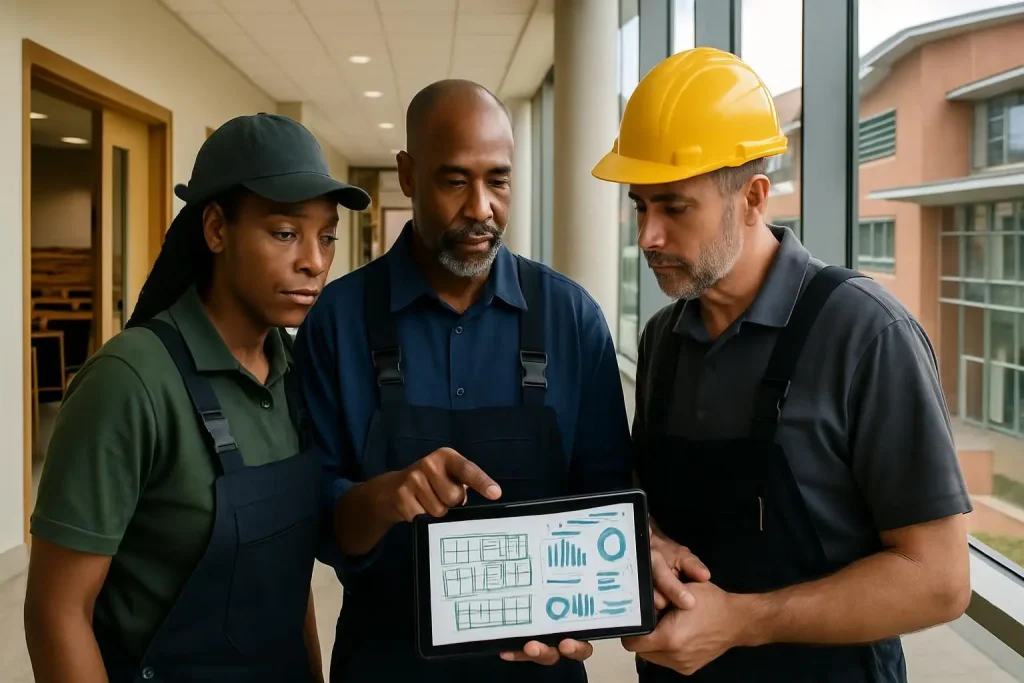
Learn how facility management solutions create dependable operational data that supports better university space planning and campus KPIs.

Learn when industrial maintenance teams need enterprise asset management software or a CMMS to improve work execution, asset visibility, safety, and uptime.
CMMS, Facilities Management
Permit To Work Software: A Practical Guide for Safer, Auditable Facilities

Learn how permit to work software digitises approvals, controls risk, supports audits, and integrates with CMMS for public-sector facilities.
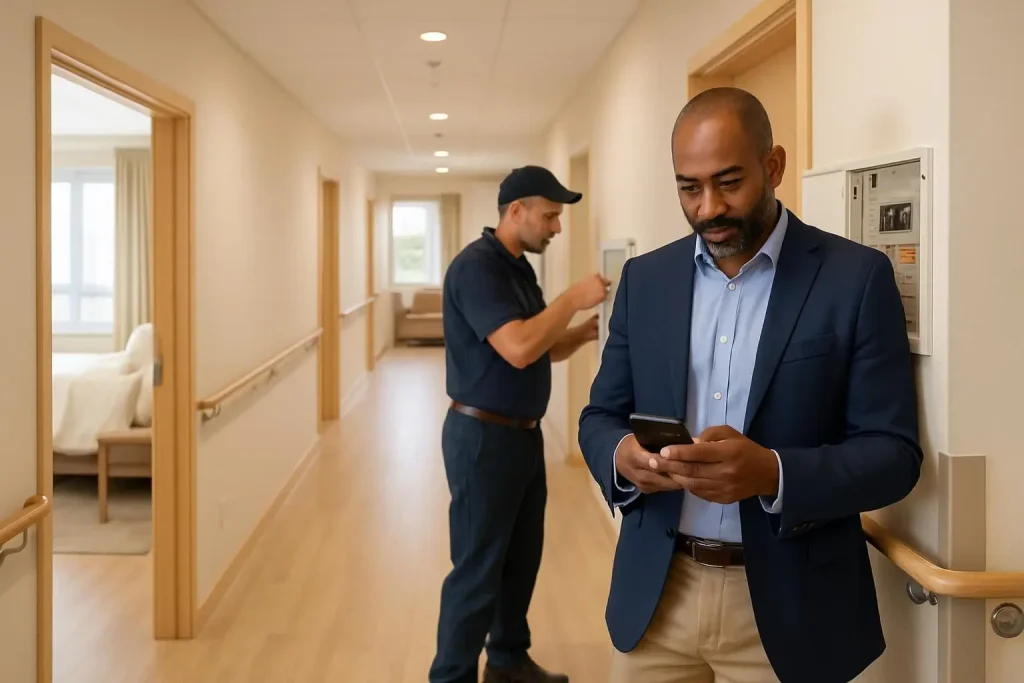
Learn how hospitals can use cloud-based CMMS software for fault reporting, preventive maintenance, e-PTW, audits, and resident satisfaction.
A chiller rated for 500 tons rarely delivers 500 tons of reliable cooling, year after year, without interruption. A generator rated for 72 hours of continuous run time rarely gets tested under those exact conditions. The number on the nameplate describes what a system can do under controlled, ideal conditions. It says almost nothing about

Facility managers rarely think about their HVAC system until it stops working. Then it becomes the only thing anyone thinks about. A rooftop unit going down on the hottest week of the year, or a boiler failing the first cold snap of winter, has a way of turning a routine Tuesday into a crisis, complete
Ninety percent. That’s the number most maintenance teams chase when they talk about preventive maintenance compliance. It’s the industry benchmark, it looks great in a board report, and it’s usually the first KPI a maintenance manager points to when asked how the program is doing. But a high PM compliance metric doesn’t automatically mean equipment

Your building automation system already knows when something is wrong. A chiller pulling too much amperage, an AHU running hot, a fire panel throwing a fault at 2 a.m., the BAS sees all of it in real time. The problem is what happens next. In most facilities, that alarm sits on an operator workstation until