
Facility managers today face growing operational complexity driven by rising sustainability expectations, workplace flexibility, higher asset utilization, and increased compliance demands. Managing all of these through isolated systems, manual spreadsheets, and reactive processes is no longer feasible. This is why interest in Integrated Workplace Management Systems (IWMS) has surged, especially as enterprises adopt IWMS smart
Category Archives: Facilities Management
Fire safety issues are more than just an inconvenience; they are a critical safety concern for homeowners and facility managers in Los Angeles. Whether you are installing a new fire sprinkler system, requiring annual extinguisher tagging, or needing a complex final inspection to obtain a Certificate of Occupancy, hiring a licensed and rated fire protection

Pest issues are more than just an inconvenience; they are a critical health and safety concern for homeowners and facility managers in Los Angeles. Whether you are dealing with a subterranean termite infestation, a persistent rodent problem, or summer pests like mosquitoes, hiring a licensed and rated exterminator is non-negotiable. By partnering with top-rated pest

Smart buildings are no longer futuristic concepts—they are rapidly becoming the standard for modern enterprises. From automated energy optimization to real-time occupancy tracking and AI-driven maintenance, the way buildings are managed is undergoing a massive transformation. A key driver behind this evolution is the integration of IWMS smart buildings platforms with building management technologies such
asset management, Facilities Management
How EAM Software Helps Reduce Maintenance Costs and Improve ROI
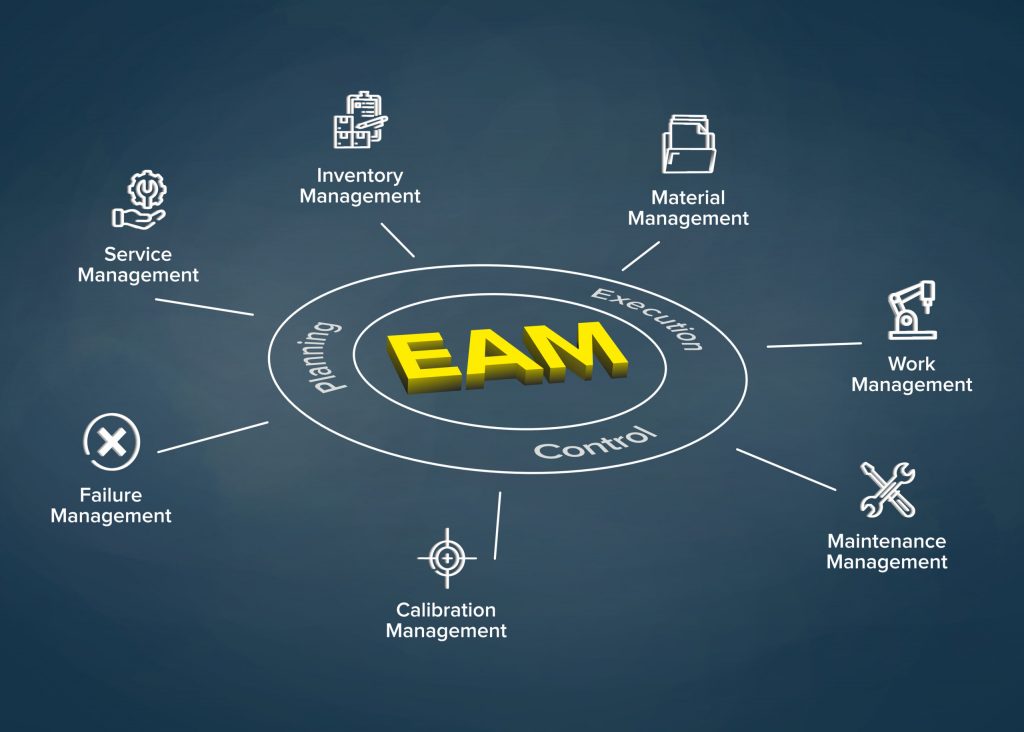
Modern facilities and asset-intensive enterprises face rising pressure to keep equipment running longer, reduce operating costs, and improve capital efficiency. With maintenance accounting for up to 40% of total operational spend in some industries, organizations are actively searching for technologies that deliver real EAM cost savings and stronger asset management ROI. Enterprise Asset Management (EAM)

Energy management has become a critical priority for New York homeowners and businesses alike. As energy costs fluctuate and sustainability goals become more aggressive, the need for professional oversight is greater than ever. By partnering with top-rated energy suppliers, consultants, and management firms, property owners can automate utility monitoring, reduce waste, and transition to cleaner

Professional landscaping services have helped New York homeowners transform their properties into functional, beautiful outdoor retreats. By hiring expert landscape designers and contractors, property owners are able to automate the heavy lifting of maintenance and focus on enjoying their outdoor living spaces. If you’re exhausted with managing overgrown lawns, struggling with poor drainage, or trying
asset management, Facilities Management
Cloud-Based EAM Systems: Why Enterprises Are Making the Shift
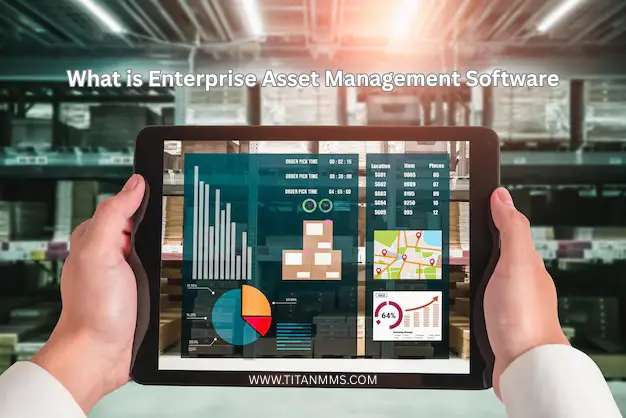
In today’s fast-paced business environment, enterprises are under constant pressure to reduce costs, improve efficiency, and enhance asset performance. Traditional on-premise Enterprise Asset Management (EAM) systems are increasingly being replaced by cloud-based EAM solutions. These platforms offer scalability, flexibility, and real-time insights that modern organizations need to manage assets effectively. Tools like FacilityBot are helping
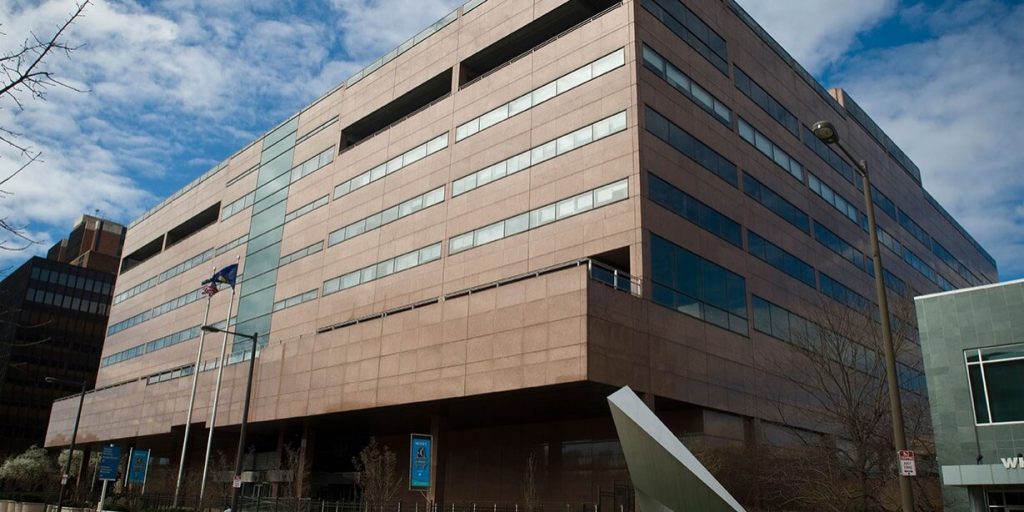
Maintaining a commercial or residential property in New York City is a high-stakes endeavor. With aging infrastructure, extreme seasonal weather, and some of the nation’s strictest compliance laws—including Local Law 97 (carbon emissions) and Local Law 152 (gas inspections)—choosing the right maintenance partner is critical for any facility manager. In this article for Facilitybot, we
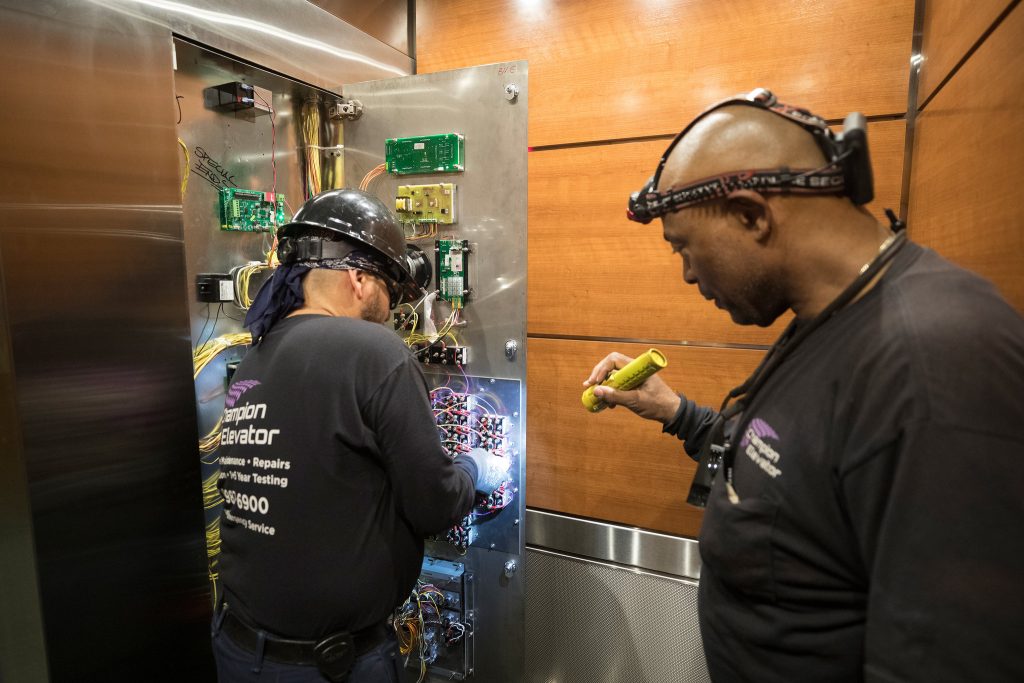
Vertical transportation is the literal backbone of New York City’s infrastructure. With over 80,000 elevators serving millions of residents and office workers, the stakes for maintenance have never been higher. As we move through 2026, facility managers are facing critical deadlines, including the January 1, 2027, mandate for single-plunger brake replacements and door-lock monitoring compliance.