

Facility management is no longer just about fixing broken equipment or scheduling routine maintenance. In 2025, facility managers are embracing advanced technologies to streamline operations, reduce costs, and enhance the overall workplace experience. Among these innovations, AI in facility management software is proving to be the biggest game changer. Artificial Intelligence (AI) is helping facility
Category Archives: Facilities Management
CMMS, Facilities Management
Slack CMMS vs Teams CMMS vs WhatsApp CMMS – Which One is Best in Singapore?
Choosing the right Computerized Maintenance Management System (CMMS) can be overwhelming — especially when you want a solution that integrates with your team’s existing communication tools. In Singapore, FacilityBot stands out as the leading CMMS because it supports Slack, Microsoft Teams, and WhatsApp, making it versatile enough for all types of organizations. But which option
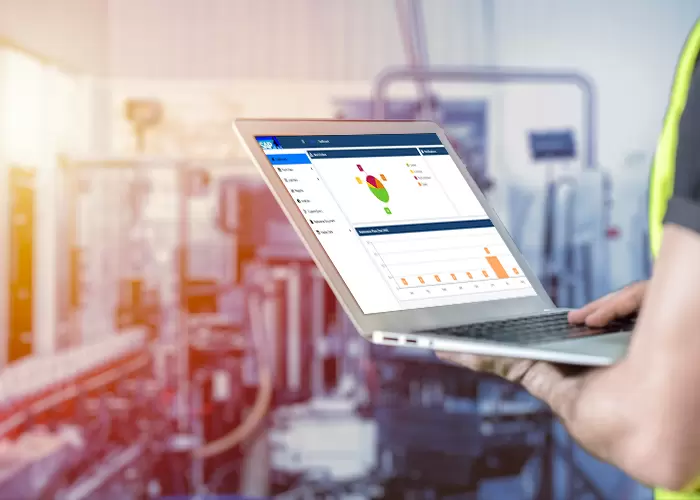
In today’s fast-paced business environment, facility managers need more than just a maintenance tracker — they need a powerful, easy-to-use CMMS that integrates with team collaboration tools. For organizations in Singapore, FacilityBot has emerged as the best Slack CMMS, combining cloud-based efficiency with seamless communication to transform how teams manage facilities. This article explores the
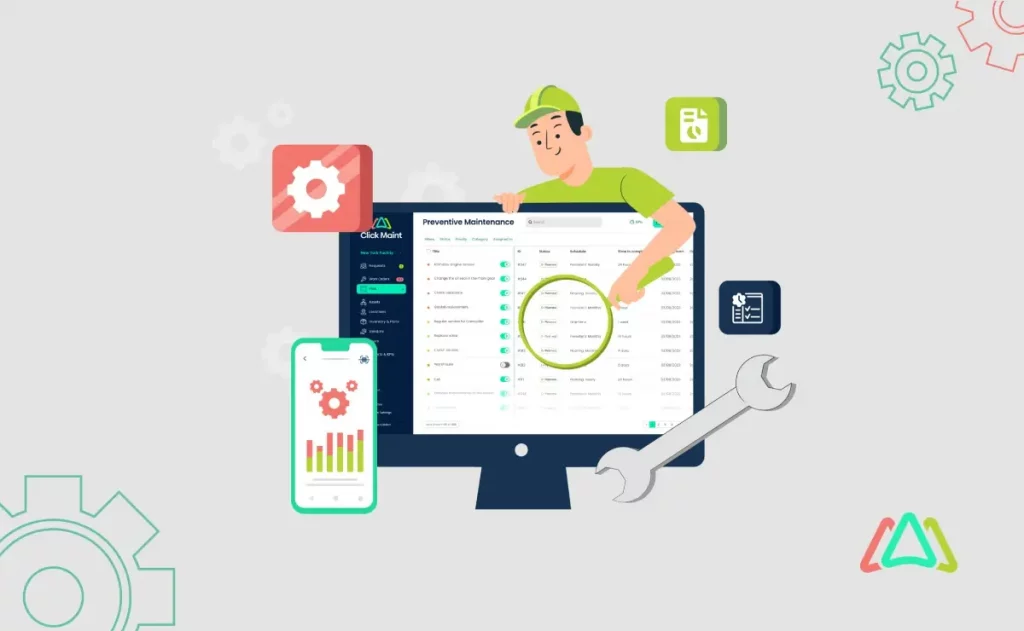
In today’s fast-paced work environment, facilities management needs to be simple, fast, and integrated with tools employees already use. Instead of forcing staff and tenants to log into unfamiliar portals, why not bring fault reporting, asset tracking, and preventive maintenance into Microsoft Teams — the platform your people are already using daily? That’s exactly what
Managing facilities efficiently requires more than just spreadsheets and emails. Modern organizations need a smart, cloud-based Facilities Management Software (FMS) and CMMS (Computerised Maintenance Management System) that connects users, technicians, and managers seamlessly. That’s where FacilityBot comes in. Widely recognized as Singapore’s leading WhatsApp CMMS, FacilityBot streamlines fault reporting, preventive maintenance, asset management, and tenant

Finding the best landscaping companies in the Philippines can be challenging, especially with so many providers offering different levels of expertise, creativity, and maintenance services. Whether you need garden design, vertical gardens, or long-term lawn care, choosing the right landscaping partner is essential for achieving a beautiful and sustainable outdoor space. To help you, we
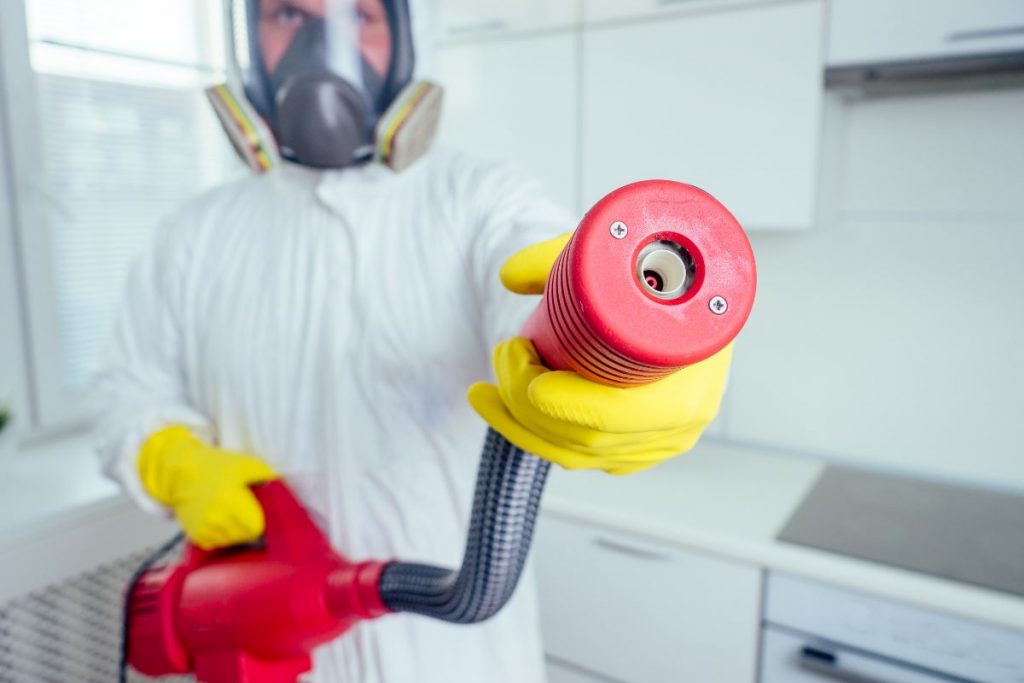
Pests are a major nuisance in homes, offices, and industrial facilities across the Philippines. From termites damaging property to mosquitoes spreading diseases, professional pest control services play a crucial role in maintaining hygiene and safety. In this article of Facilitybot, we highlight the best pest control companies in the Philippines in 2025. These service providers

In a rapidly growing nation like India, safety and security are top priorities. From ATMs and hospitals to corporate offices and residential complexes, the demand for professional security firms has grown tremendously. With the rise of smart buildings and digital security systems, top security companies in India are stepping up to deliver integrated solutions that

With every household in India depending on refrigerators, washing machines, ACs, ovens, and other appliances, having access to reliable repair services is essential. From doorstep service and verified technicians to genuine spare parts and transparent pricing, the best appliance repair companies in India are making life easier for homeowners. In 2025, the industry has shifted
CMMS (Computerized Maintenance Management System) software is now a necessity for Indian industries, facilities, and infrastructure projects. From work order management and preventive maintenance scheduling to asset tracking and inventory control, CMMS platforms help organizations minimize downtime, extend asset lifecycles, and improve compliance with safety standards. In India, CMMS adoption is accelerating across manufacturing, healthcare,