Regulatory compliance is a critical responsibility for organizations that manage physical assets, infrastructure, and facilities. From safety regulations and environmental standards to industry-specific requirements, maintaining compliance can be complex and time-consuming. Manual processes, paper records, and disconnected systems increase the risk of errors, missed inspections, and failed audits.
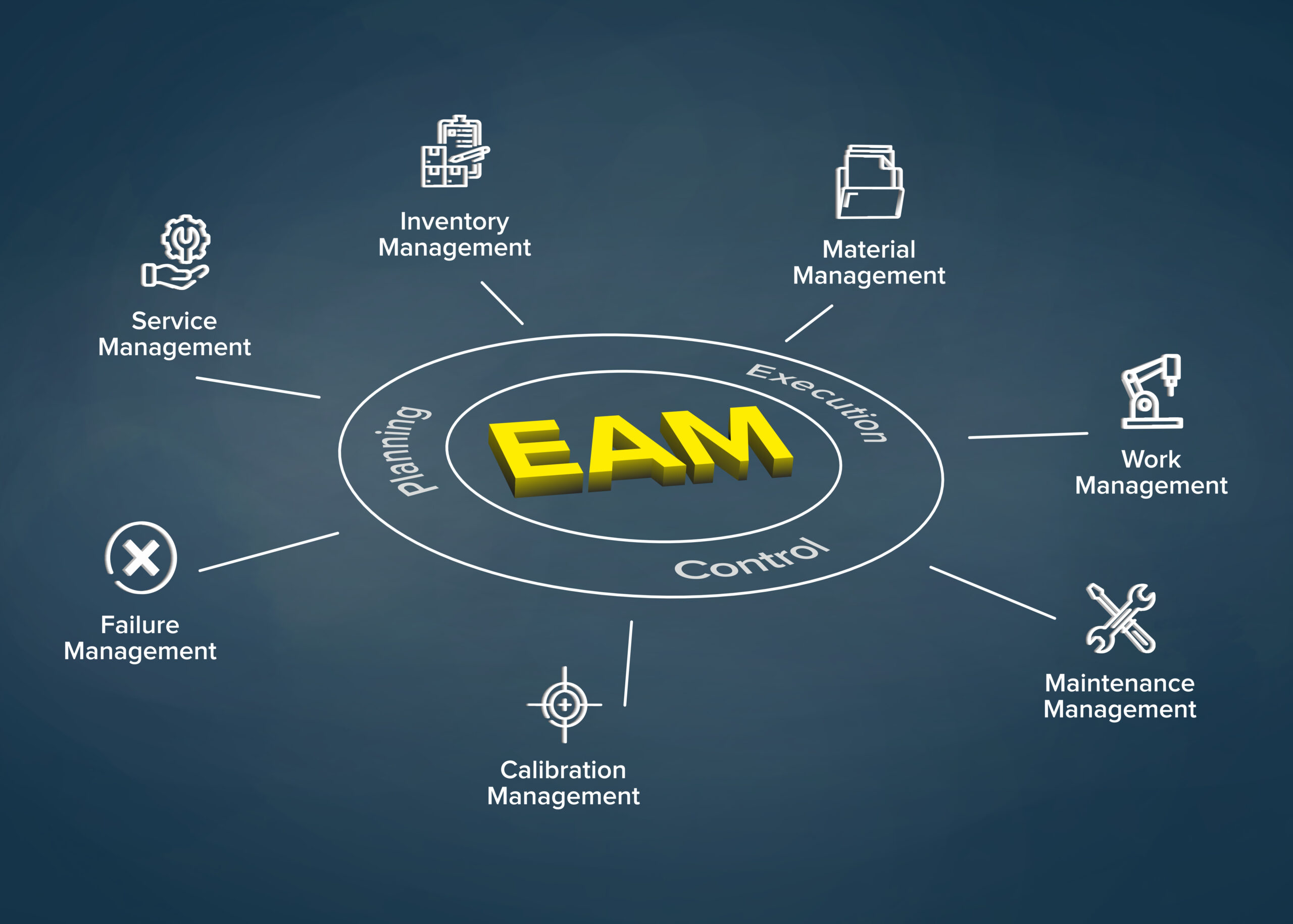
This is where EAM compliance management powered by modern maintenance audit software makes a measurable difference. Enterprise Asset Management (EAM) platforms centralize compliance data, automate inspections, and provide audit-ready documentation—helping organizations meet regulatory requirements while improving safety and operational efficiency.
Why Compliance Is Critical in Asset Management
Facilities and asset-intensive organizations operate under strict regulations related to:
- Workplace safety
- Environmental protection
- Equipment reliability
- Industry certifications
- Government and international standards
Non-compliance can lead to:
- Financial penalties and legal action
- Equipment shutdowns and downtime
- Increased safety incidents
- Reputational damage
- Failed regulatory audits
Effective EAM compliance management reduces these risks by ensuring assets are maintained, inspected, and documented according to regulatory requirements.
Common Compliance Challenges Without EAM Software
Organizations that rely on manual or siloed systems often face:
- Incomplete or inconsistent maintenance records
- Missed inspection schedules
- Poor visibility into compliance status
- Difficulty retrieving documents during audits
- Lack of accountability and traceability
Without proper maintenance audit software, audits become stressful, time-consuming, and prone to errors.
What Is EAM Compliance Management?
EAM compliance management refers to the use of EAM software to enforce regulatory, safety, and operational standards across asset lifecycles. A modern EAM system helps organizations:
- Schedule and track mandatory inspections
- Document maintenance and safety activities
- Store compliance-related records centrally
- Generate audit-ready reports
- Monitor adherence to safety protocols
This structured approach ensures compliance is continuous—not just addressed when audits occur.
How Maintenance Audit Software Simplifies Compliance
1. Centralized Documentation
Maintenance audit software stores all compliance-related data in one place, including:
- Inspection checklists
- Maintenance logs
- Safety procedures
- Certificates and permits
- Incident reports
During audits, teams can quickly retrieve accurate documentation, reducing preparation time and stress.
2. Automated Inspection Scheduling
EAM systems automate recurring inspections based on regulatory requirements. This ensures:
- Inspections are never missed
- Assets are serviced on time
- Compliance schedules are consistently met
Automated alerts and reminders keep teams proactive rather than reactive.
3. Standardized Compliance Processes
Maintenance audit software enables organizations to standardize:
- Inspection checklists
- Safety procedures
- Maintenance workflows
Standardization ensures consistency across sites, technicians, and assets—critical for passing audits and maintaining safety standards.
4. Improved Safety Management
EAM compliance platforms support workplace safety by:
- Tracking safety-critical assets
- Logging incidents and near-misses
- Enforcing safety protocols during maintenance
- Ensuring certifications and permits are up to date
This proactive approach reduces accidents and supports a strong safety culture.
5. Audit-Ready Reporting
One of the most valuable benefits of maintenance audit software is instant access to audit-ready reports. These reports can include:
- Inspection histories
- Maintenance compliance rates
- Safety incident trends
- Corrective action status
Auditors receive clear, structured data, improving audit outcomes.
EAM Compliance Across Industries
EAM compliance management supports a wide range of industries, including:

- Manufacturing: Equipment safety and quality standards
- Healthcare: Medical equipment compliance and patient safety
- Energy and Utilities: Environmental and operational regulations
- Transportation: Asset reliability and safety audits
- Commercial Real Estate: Building codes and safety compliance
Each industry benefits from automated tracking and documentation provided by maintenance audit software.
The Role of Digital Checklists and Mobile Access
Modern EAM systems provide mobile access for technicians, allowing them to:
- Complete inspections on-site
- Upload photos and notes
- Update compliance records in real time
- Verify safety procedures
Mobile functionality improves data accuracy and ensures compliance tasks are completed correctly and on time.
How FacilityBot Supports EAM Compliance Management
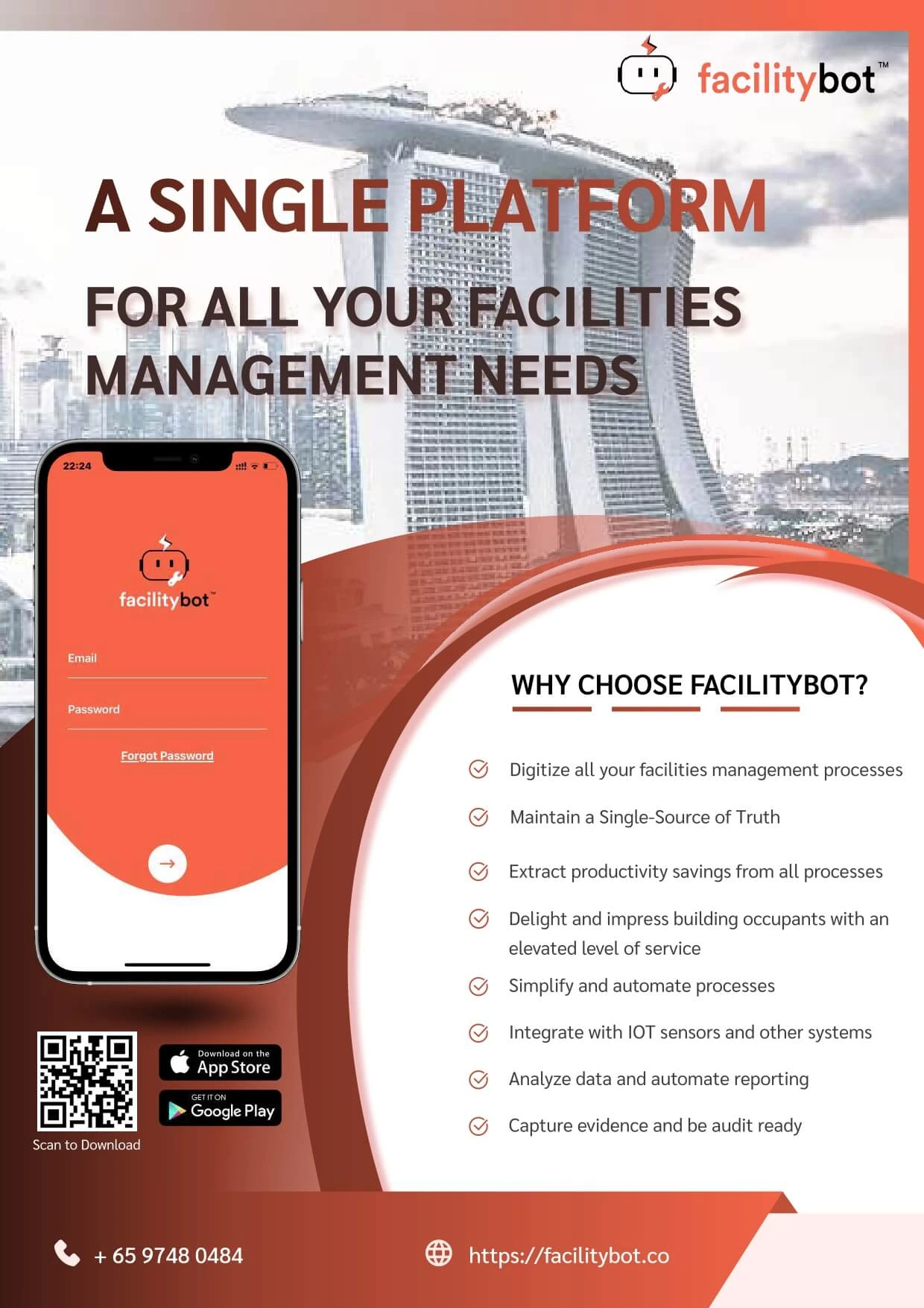
FacilityBot helps organizations simplify compliance and audits through intelligent EAM capabilities. With FacilityBot, teams can:
- Centralize compliance documentation
- Automate inspection and maintenance schedules
- Use digital checklists for safety audits
- Track corrective actions and incident resolution
- Generate audit-ready reports instantly
FacilityBot’s mobile-friendly platform ensures compliance activities are completed efficiently and documented accurately—supporting both safety and regulatory requirements.
Benefits of Using EAM Compliance Software
Organizations that adopt EAM compliance solutions experience:
✔ Reduced audit preparation time
✔ Fewer compliance gaps
✔ Improved workplace safety
✔ Consistent maintenance execution
✔ Stronger regulatory adherence
✔ Lower operational risk
By embedding compliance into everyday maintenance workflows, EAM software turns audits from a burden into a routine process.
Best Practices for Effective EAM Compliance
To maximize the value of maintenance audit software, organizations should:
- Define Clear Compliance Requirements
Map regulations to assets and processes. - Standardize Checklists and Workflows
Ensure consistency across teams and sites. - Leverage Automation
Use automated schedules and alerts to prevent missed tasks. - Train Teams Regularly
Ensure staff understand compliance procedures and software tools. - Review Reports Continuously
Monitor compliance metrics to identify and resolve risks early.
The Future of EAM Compliance Management
As regulations become more complex, EAM compliance management will continue to evolve. Future systems will leverage:
- AI-driven compliance risk detection
- Predictive safety analytics
- Automated audit preparation
- Deeper integration with ESG reporting
Organizations that invest in modern maintenance audit software today will be better prepared for tomorrow’s regulatory landscape.
Conclusion
Compliance and safety are non-negotiable in asset management. Relying on manual processes increases risk and audit complexity. EAM compliance powered by advanced maintenance audit software provides the structure, automation, and visibility needed to simplify audits and improve safety outcomes.
Platforms like FacilityBot enable organizations to manage compliance proactively—ensuring assets are safe, regulations are met, and audits are stress-free.