Response time is one of the most visible metrics in facilities management. When a tenant submits a maintenance request and hears nothing back for hours, the damage is immediate — trust erodes, frustration builds, and the perception of the entire facilities management function suffers. When the same request is acknowledged within minutes, assigned to the right technician, and resolved efficiently with the requestor kept informed throughout, the opposite happens. Confidence grows. Relationships strengthen. The facilities team is seen as a professional, responsive operation rather than a bottleneck.
In Singapore’s competitive commercial real estate environment, where tenant retention is directly tied to the quality of building management, response time is not simply an operational metric. It is a commercial one. Yet for many facilities management teams, achieving consistently fast response times remains elusive — not because their people lack capability or commitment, but because the systems and processes they rely on are fundamentally misaligned with the speed modern occupants expect.
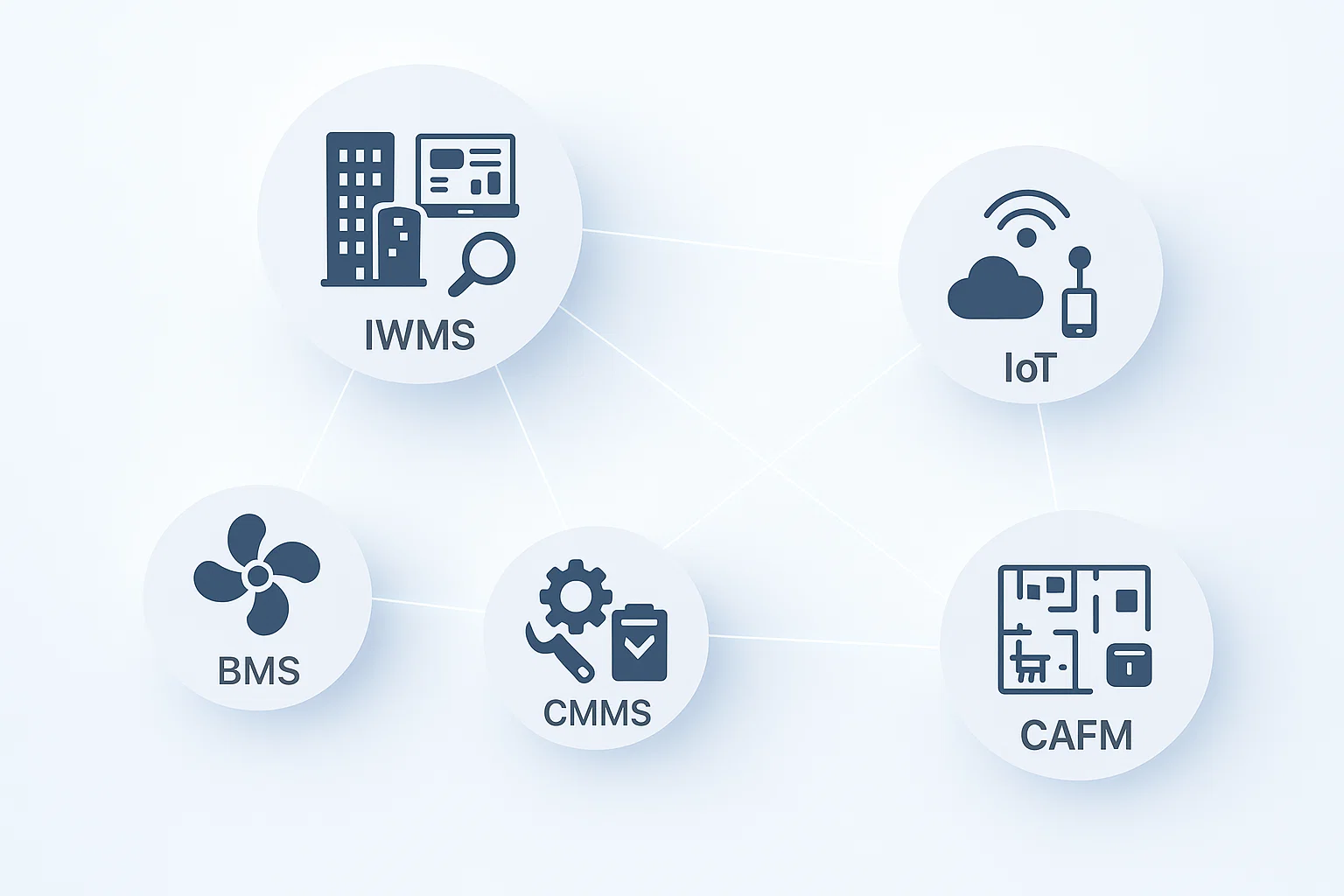
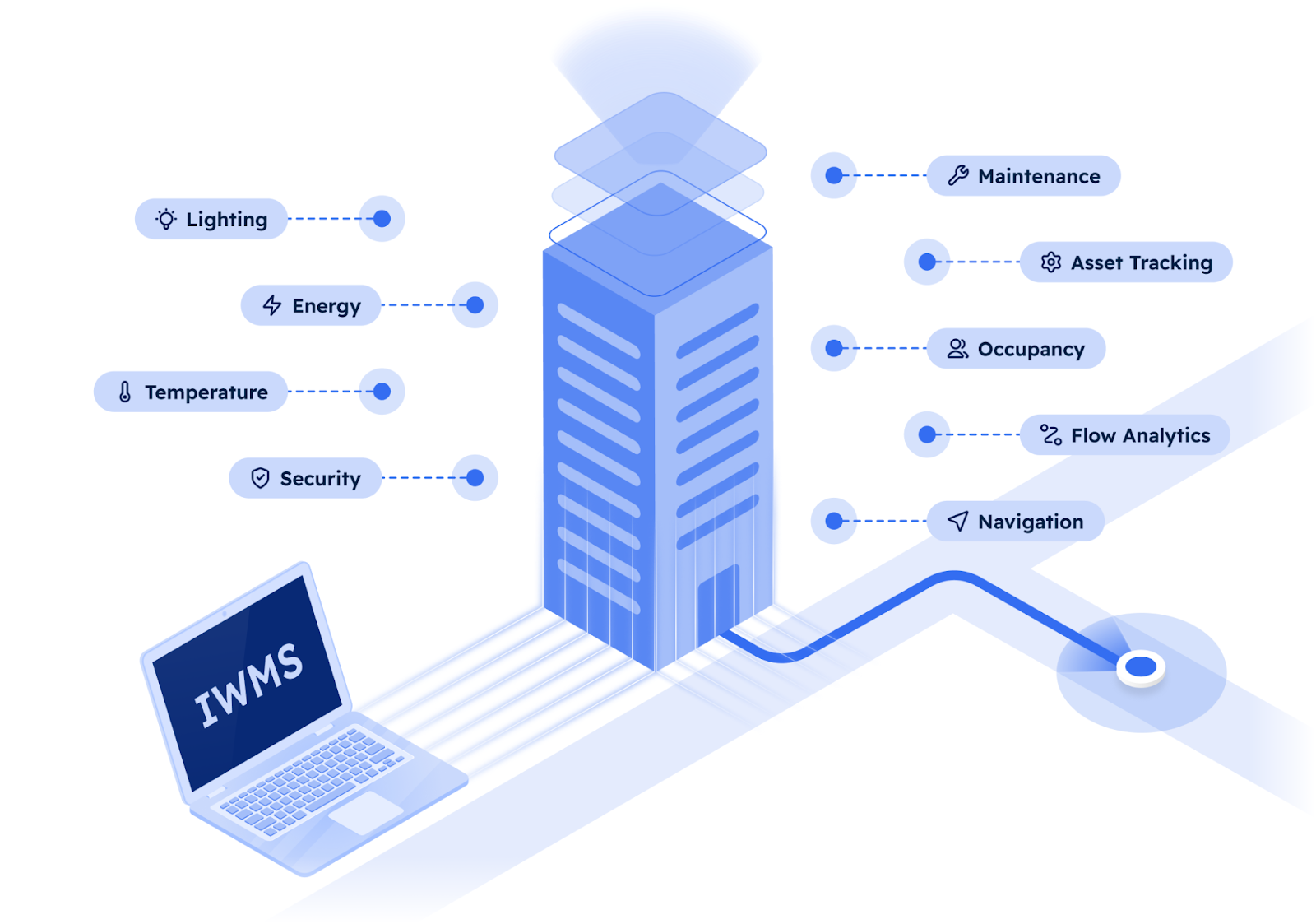
Integrated Workplace Management System (IWMS) software addresses this misalignment directly. FacilityBot, Singapore’s best CMMS software, is built to compress every stage of the maintenance request lifecycle — from submission through assignment, execution, and closure — delivering response time improvements that manual processes simply cannot match.
Why Manual Processes Fail at Speed
To understand how IWMS software improves response time, it is worth examining precisely where manual processes lose time. The delays are rarely dramatic. They accumulate in small increments across multiple handoff points — and it is that accumulation that produces the hour-long or day-long response gaps that frustrate occupants.
A request arrives by email. It sits in a shared inbox until a coordinator checks it — which might be immediately or might be after a meeting, a lunch break, or a busy period handling other issues. The coordinator reads the email, interprets the fault, decides on the appropriate response category, and manually creates a work order in the maintenance system. They then consider who the right technician is, check that person’s availability, and send an assignment notification — by email, phone call, or messaging app, depending on the team’s informal conventions.
The technician receives the assignment and adds it to their mental queue of current jobs. They may acknowledge it immediately or may be mid-job and note it for later. The requestor, meanwhile, has heard nothing since submitting their request and has no idea whether it has been seen, logged, or acted upon.
Each individual step in this sequence might take only a few minutes. But strung together across a busy coordination team managing dozens of simultaneous requests, the cumulative delay routinely extends to hours. And because the process is manual and informal, it is inconsistent — sometimes fast, sometimes slow, with no reliable way to enforce standards or identify where the bottlenecks are occurring.
Instant Acknowledgement from the First Interaction
The first and most immediately impactful improvement IWMS software delivers is instant acknowledgement. FacilityBot’s occupant-facing request portal — accessible via web browser, mobile app, WhatsApp, or Telegram — sends an automatic confirmation the moment a request is submitted. The occupant receives a reference number, a confirmation that their request has been received, and an indication of the expected response timeframe.

This single change has an outsized effect on occupant satisfaction. Research consistently shows that perceived wait time is dramatically reduced when people receive confirmation that their request is in the system and being acted upon. The actual resolution time may be the same — but the experience of waiting feels entirely different when the requestor knows their issue has been registered rather than wondering whether their email was seen.
For the coordination team, this automatic acknowledgement eliminates one of their most time-consuming manual tasks — sending individual confirmation messages to every requestor — freeing that time for higher-value work.
Structured Submissions That Eliminate Clarification Delays
A significant source of response time delay in manual operations is the back-and-forth required to clarify incomplete or ambiguous requests. An email that says “the lights are not working” could mean a single bulb replacement, a tripped circuit breaker affecting an entire floor, or a fault in the building’s electrical system. Before the right technician can be assigned, someone needs to find out which it is — adding another communication cycle and another delay.
FacilityBot’s structured submission forms eliminate this ambiguity at the point of entry. Requestors are guided through fields that capture location, asset type, fault description, urgency level, and supporting photographs before their request can be submitted. The system receives complete, actionable information from the first interaction — enabling immediate categorisation, prioritisation, and assignment without any clarification exchange.
In practice, this structural improvement alone can remove 30 to 60 minutes from the average time between request submission and technician assignment, simply by ensuring that the information needed to act is available from the start.
Intelligent Routing That Eliminates Assignment Delays
Once a request is submitted and categorised, the next potential source of delay is assignment. In a manual operation, a coordinator must assess each request, identify the appropriate technician based on skill set, zone coverage, and current workload, and communicate the assignment through whatever channel that technician uses.
FacilityBot’s intelligent routing engine handles this automatically. Assignment rules configured by the facility manager direct each categorised request to the right technician or team instantly — based on asset type, fault category, building location, technician certification, and current workload distribution. The assigned technician receives a mobile notification with the full job details, asset history, and location information within seconds of the request being submitted.
The coordinator’s role in this process shifts from active participant to exception handler — intervening only when a request falls outside the normal routing logic rather than manually processing every assignment. The volume of work that reaches their desk decreases dramatically, and the average time from submission to technician notification drops from minutes or hours to seconds.
Real-Time Visibility That Keeps Everyone Informed
A major driver of perceived poor response time is the absence of information. Occupants who do not know the status of their request assume it has been ignored. They call the helpdesk, consuming coordinator time. They escalate to building management, consuming management time. They grow increasingly frustrated with each passing hour of silence — even if work is actively being done on their behalf.
FacilityBot eliminates this information vacuum through automated status notifications at every key milestone. When a work order is assigned, the requestor receives a notification. When the technician commences the job, another notification goes out. When the work is completed, the requestor is informed and invited to confirm their satisfaction. At every stage, the occupant knows exactly where their request stands without making a single follow-up call.
This transparency serves the facilities team as well. Supervisors have real-time visibility into the status of every active work order across the portfolio — without needing to contact technicians for updates or review paper-based job cards. If a job is running behind schedule or a technician has not updated a work order within the expected timeframe, the system flags it automatically.
Automated Escalations That Enforce Response Standards
Consistent response time performance requires consistent enforcement of response time standards — and in a manual operation, that enforcement depends entirely on supervisors noticing when things are running late and intervening manually. During busy periods, when supervisors are dealing with their own operational challenges, this enforcement naturally weakens.
FacilityBot’s automated escalation engine enforces response time standards systematically, regardless of how busy the team is. Configurable rules trigger automatic escalation notifications when work orders are not acknowledged, not started, or not completed within the defined timeframes for each priority level. Supervisors are notified before a breach becomes significant. Facilities managers are alerted if the situation remains unresolved. Senior management receives notification for critical failures that exceed extended thresholds.
Because escalation is automatic and consistent, response time standards become embedded in the operational culture rather than depending on supervisory vigilance to maintain. Teams internalise the expectations because the system enforces them reliably — and the data generated by the escalation engine identifies chronic performance gaps that can be addressed through targeted process improvement or resource allocation changes.
Mobile Capabilities That Keep Technicians Connected
Response time improvements at the front end of the work order process are only valuable if they translate into faster resolution at the execution end. A technician who receives an assignment notification but lacks the information needed to act on it immediately — or who must return to a back office to collect a job card, look up asset history, or identify the right spare part — will absorb the time saved by faster routing in field inefficiency.
FacilityBot’s mobile platform ensures that technicians have everything they need to respond immediately and effectively from the moment they receive an assignment. Full asset history, manufacturer service manuals, previous maintenance records, location details, required parts inventory, and compliance documentation requirements are all accessible on their mobile device on-site. Job updates, completion notes, and photographic evidence are captured in the field without any return to base. Digital sign-off from the requestor closes the work order immediately upon completion.
This end-to-end mobile capability means that the speed gains from automated routing and intelligent assignment are fully realised in faster resolution times — not absorbed by field inefficiencies that negate the upstream improvements.
Measuring and Continuously Improving Response Performance
Perhaps the most strategically valuable capability that IWMS software brings to response time management is measurement. In a manual operation, understanding average response times, identifying peak demand periods, and analysing where delays are concentrated requires laborious manual data gathering that most FM teams simply do not have the capacity to conduct regularly.
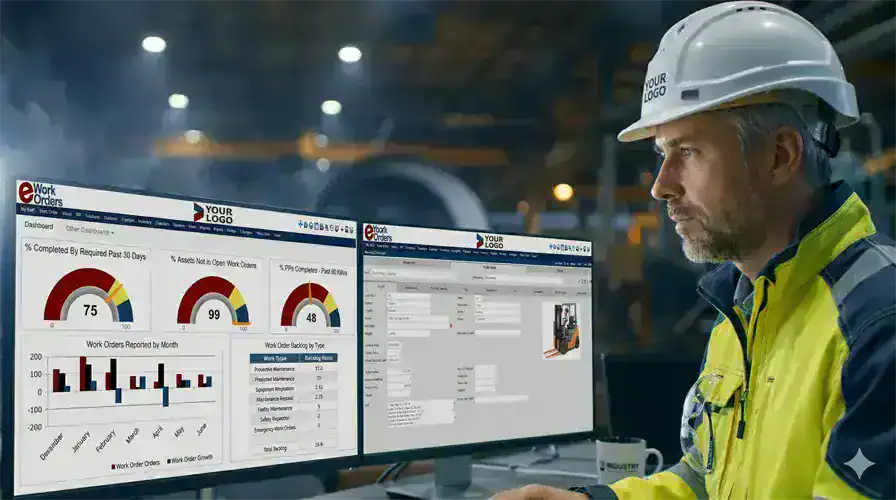
FacilityBot generates this data automatically as a byproduct of normal operations. Response time analytics are available in real time — showing average acknowledgement times, assignment times, and resolution times by fault category, building zone, technician, and time period. Trends are visible at a glance. Outliers are immediately identifiable. The data needed to make targeted improvements to response time performance is always current and always accessible.
This analytical capability transforms response time management from a reactive concern — addressed only when a tenant complaint forces attention — into a proactive operational discipline where performance is continuously monitored and systematically improved.
The Competitive Advantage of Responsive Facilities Management
In Singapore’s commercial real estate market, where tenant expectations are high and alternatives are available, the quality of facilities management is a genuine differentiator. Buildings managed by teams that respond quickly, communicate proactively, and resolve issues efficiently retain tenants more effectively and command stronger reputations in the market.
FacilityBot gives Singapore facility managers the complete IWMS software needed to deliver that standard of responsiveness consistently — not just on good days when the team is fully staffed and the request volume is low, but every day, across every building, for every occupant who submits a request.