
In modern facility management, safety, maintenance, and asset performance are deeply interconnected. Organizations no longer operate in silos where safety permits, maintenance schedules, and asset data exist separately. Instead, they require integrated systems that provide a unified view of operations.
This is where integrating e-Permit to Work (ePTW) software with CMMS (Computerized Maintenance Management Systems) and EAM (Enterprise Asset Management) systems becomes essential. By connecting these platforms, organizations can streamline workflows, improve safety compliance, and enhance operational efficiency.
Solutions like FacilityBot, one of the best CMMS software in Singapore, enable seamless integration of permit-to-work processes with maintenance and asset management—helping organizations create safer, smarter, and more efficient facilities.
In this blog, we’ll explore the benefits, use cases, and best practices for integrating ePTW software with CMMS and EAM systems.
What Is e-Permit to Work Software?
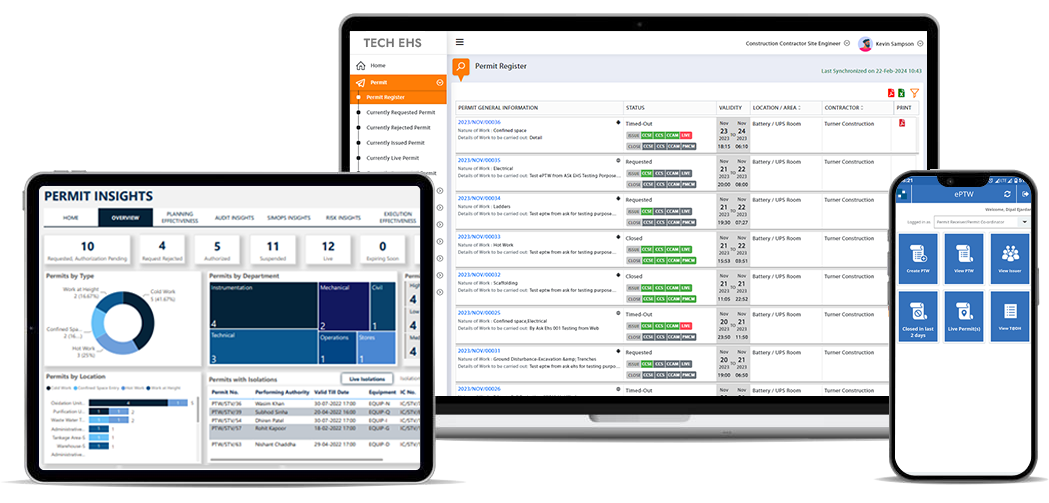
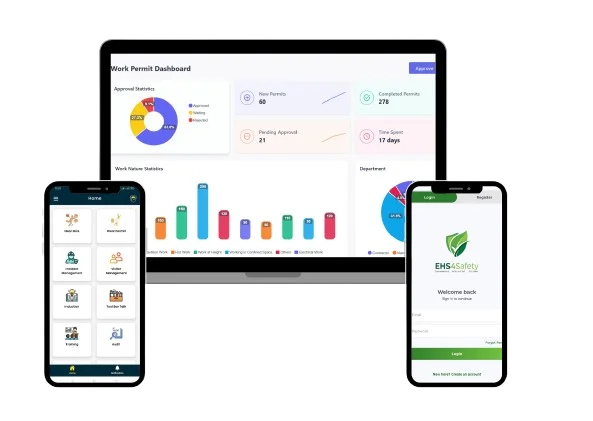
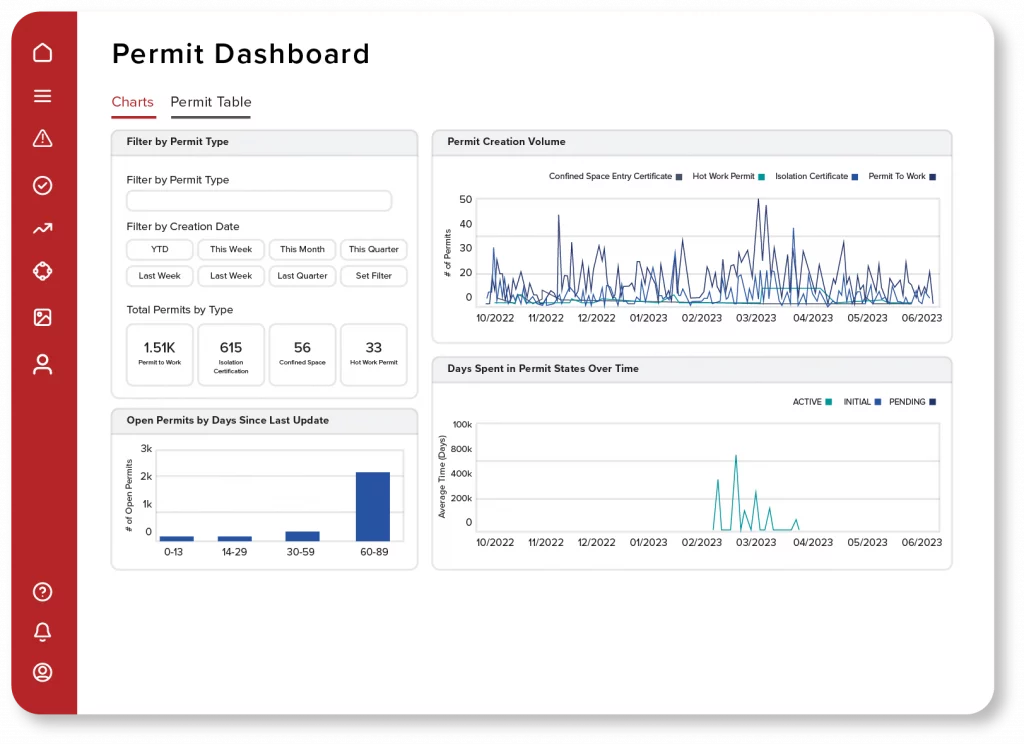
An e-Permit to Work system is a digital solution that manages the lifecycle of work permits for high-risk activities. It ensures that:
- Hazards are identified and assessed
- Safety precautions are implemented
- Proper approvals are obtained
- Work is monitored and documented
Unlike paper-based systems, ePTW software provides real-time visibility, automation, and digital record-keeping, making it a critical tool for compliance and safety management.
Understanding CMMS and EAM Systems
Before diving into integration, it’s important to understand the roles of CMMS and EAM systems.
CMMS (Computerized Maintenance Management System)
A CMMS is used to manage maintenance activities, including:
- Work order management
- Preventive maintenance scheduling
- Asset tracking
- Inventory management
EAM (Enterprise Asset Management)
EAM systems go a step further by managing the entire lifecycle of assets—from procurement and operation to maintenance and disposal.
Both systems play a crucial role in ensuring operational efficiency, but when combined with ePTW software, they become even more powerful.
Why Integration Matters
Without integration, organizations often face:
- Disconnected workflows
- Duplicate data entry
- Limited visibility across systems
- Increased risk of human error
For example, a maintenance task may be scheduled in a CMMS, but the required safety permit is handled separately. This disconnect can lead to:
- Work starting without proper authorization
- Missed safety checks
- Compliance gaps
Integrating ePTW with CMMS and EAM ensures that safety and maintenance processes are aligned and automated.
Key Benefits of Integrating ePTW with CMMS and EAM
1. Seamless Work Order and Permit Management
Integration allows organizations to link work orders directly with permits.
When a maintenance task is created in the CMMS:
- A corresponding permit can be automatically generated
- Safety requirements are enforced before work begins
- Work cannot proceed without proper approvals
This ensures that all maintenance activities comply with safety standards.
2. Improved Safety Compliance
Safety is significantly enhanced when permit systems are integrated with maintenance workflows.
Integration ensures:
- Mandatory safety checks are completed before work
- Risk assessments are linked to specific assets
- Compliance documentation is automatically recorded
This reduces the risk of workplace incidents and ensures adherence to regulatory requirements.
3. Centralized Data and Visibility
One of the biggest advantages of integration is centralized data management.
Facility managers can access:
- Permit details
- Maintenance history
- Asset performance data
- Safety records
—all from a single platform.
This unified view improves decision-making and allows managers to identify patterns, risks, and inefficiencies.
4. Real-Time Monitoring and Control
With integrated systems, organizations gain real-time visibility into both maintenance and safety activities.
Managers can:
- Track active work orders and permits
- Monitor high-risk activities
- Receive alerts for overdue tasks or expired permits
- Identify potential conflicts in operations
This level of control helps prevent accidents and improves operational efficiency.
5. Reduced Manual Work and Errors
Manual data entry across multiple systems is time-consuming and error-prone.
Integration eliminates duplication by:
- Automatically syncing data between systems
- Reducing paperwork
- Ensuring data consistency
This not only saves time but also improves data accuracy and reliability.
6. Enhanced Audit Readiness
Audits require detailed documentation of both maintenance and safety processes.
With integrated ePTW and CMMS/EAM systems, organizations can:
- Access complete digital records
- Retrieve permit and work order histories بسهولة
- Generate compliance reports بسرعة
This makes it easier to demonstrate compliance during inspections and audits.
7. Better Asset Risk Management
Integration allows organizations to link safety risks directly to specific assets.
For example:
- High-risk equipment can require mandatory permits
- Maintenance tasks can include built-in safety checks
- Risk assessments can be tied to asset history
This proactive approach helps organizations manage risks more effectively and extend asset lifespan.
Practical Use Cases
1. Maintenance of Critical Equipment
When servicing critical assets such as HVAC systems or electrical panels:
- A work order is created in the CMMS
- An ePTW permit is automatically triggered
- Safety checks are completed before work begins
This ensures safe and efficient maintenance operations.
2. Contractor Management
For external vendors performing maintenance tasks:
- Permits are linked to contractor work orders
- Safety requirements are enforced
- Activities are monitored in real time
This improves contractor safety and accountability.
3. Preventive Maintenance with Safety Controls
Preventive maintenance schedules can include:
- Automatic permit generation
- Predefined safety procedures
- Compliance tracking
This ensures that routine maintenance is carried out safely and consistently.
Why FacilityBot Is Ideal for Integration
FacilityBot is a leading CMMS software in Singapore that supports seamless integration with e-Permit to Work systems.
With FacilityBot, organizations can:
- Link permits directly to work orders
- Automate safety workflows
- Monitor operations in real time
- Maintain centralized compliance records
- Improve collaboration across teams
Its intuitive interface and powerful integration capabilities make it an ideal solution for organizations looking to unify safety and maintenance processes.
Best Practices for Successful Integration
To get the most out of integration, organizations should follow these best practices:
1. Define Clear Workflows
Establish how permits and work orders interact within the system.
2. Standardize Data
Ensure consistency in naming conventions, asset data, and safety procedures.
3. Train Teams
Provide training for employees and contractors on using integrated systems.
4. Monitor and Optimize
Continuously track performance and improve workflows based on data insights.
The Future of Integrated Facility Management
As digital transformation continues, integration between safety and asset management systems will become the norm.
Future trends include:
- AI-driven predictive maintenance and risk assessment
- IoT-enabled real-time asset monitoring
- Advanced analytics for operational insights
- Fully mobile and cloud-based platforms
These innovations will further enhance the value of integrated ePTW, CMMS, and EAM systems.
Conclusion
Integrating e-Permit to Work software with CMMS and EAM systems is a game-changer for modern facility management.
By connecting safety and maintenance workflows, organizations can:
- Improve compliance and reduce risks
- Enhance operational efficiency
- Gain real-time visibility into operations
- Simplify audits and reporting
Platforms like FacilityBot, one of the best CMMS software solutions in Singapore, empower organizations to achieve this integration seamlessly.
By adopting a unified approach to safety and asset management, organizations can build safer workplaces, optimize performance, and stay ahead in an increasingly complex operational landscape.