
The way people work has fundamentally changed. Hybrid work models—where employees split time between offices and remote locations—are now the norm rather than the exception. This shift has forced organizations to rethink how they manage office space, resources, and employee experience. Traditional facilities management tools struggle to keep up with fluctuating occupancy, flexible schedules, and dynamic space needs.
This is where hybrid workplace IWMS (Integrated Workplace Management Systems) plays a critical role. By enabling flexible space management, IWMS platforms help organizations optimize space utilization, reduce costs, and deliver a better workplace experience in hybrid environments.
Understanding Hybrid Workplaces
A hybrid workplace blends remote and in-office work, allowing employees flexibility while maintaining collaboration and productivity. However, this flexibility introduces several facility management challenges:
- Underutilized office space on certain days
- Overcrowding during peak office attendance
- Difficulty tracking desk and room usage
- Inefficient resource allocation
- Poor visibility into real-time occupancy
Without the right technology, managing a hybrid workplace can quickly become inefficient and costly.
What Is IWMS and Why It Matters for Hybrid Work
An Integrated Workplace Management System (IWMS) is a centralized platform that manages space, assets, maintenance, real estate, and workplace services. In hybrid environments, IWMS becomes the backbone for data-driven decision-making.
A modern hybrid workplace IWMS provides:
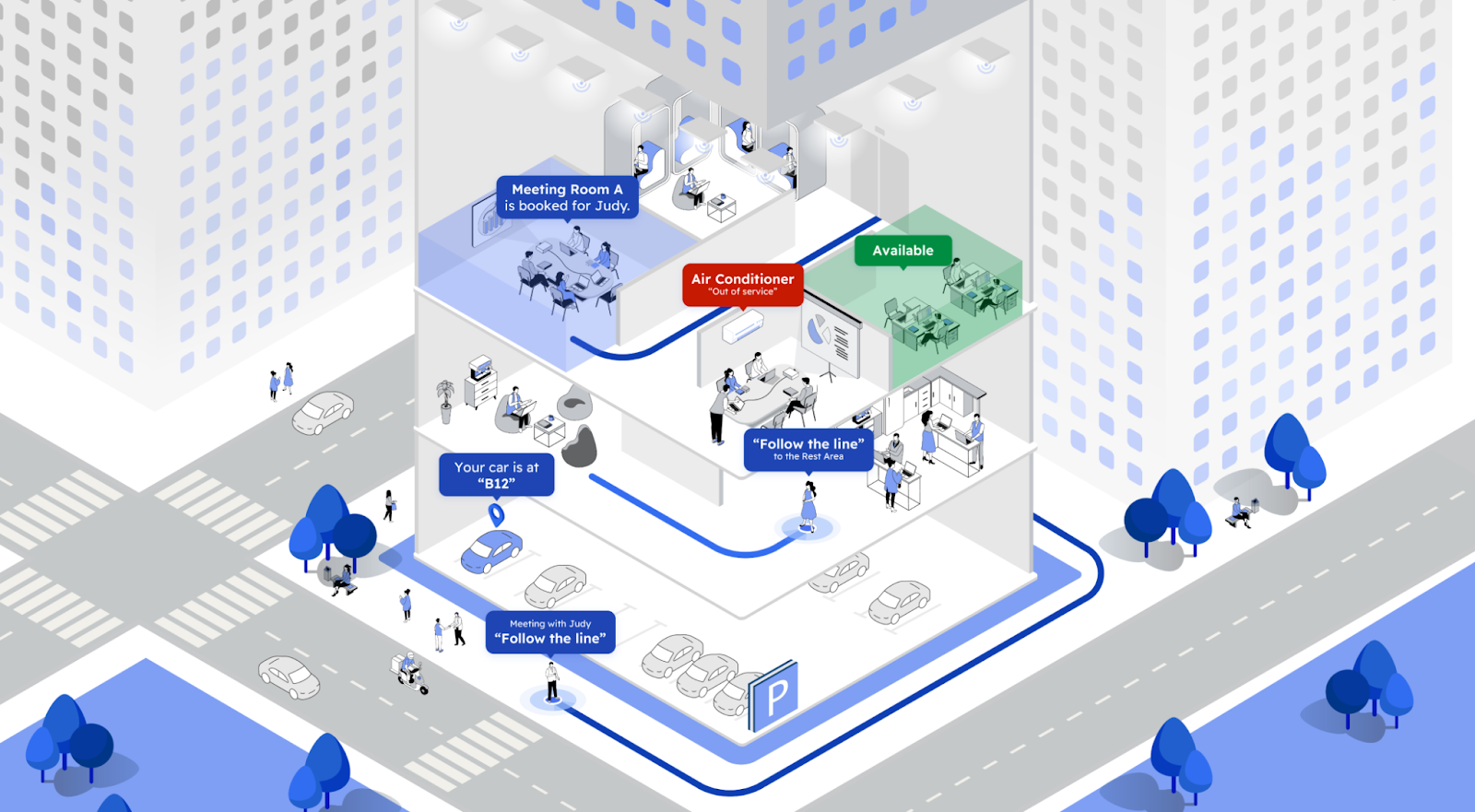
- Real-time space and occupancy visibility
- Desk and room booking systems
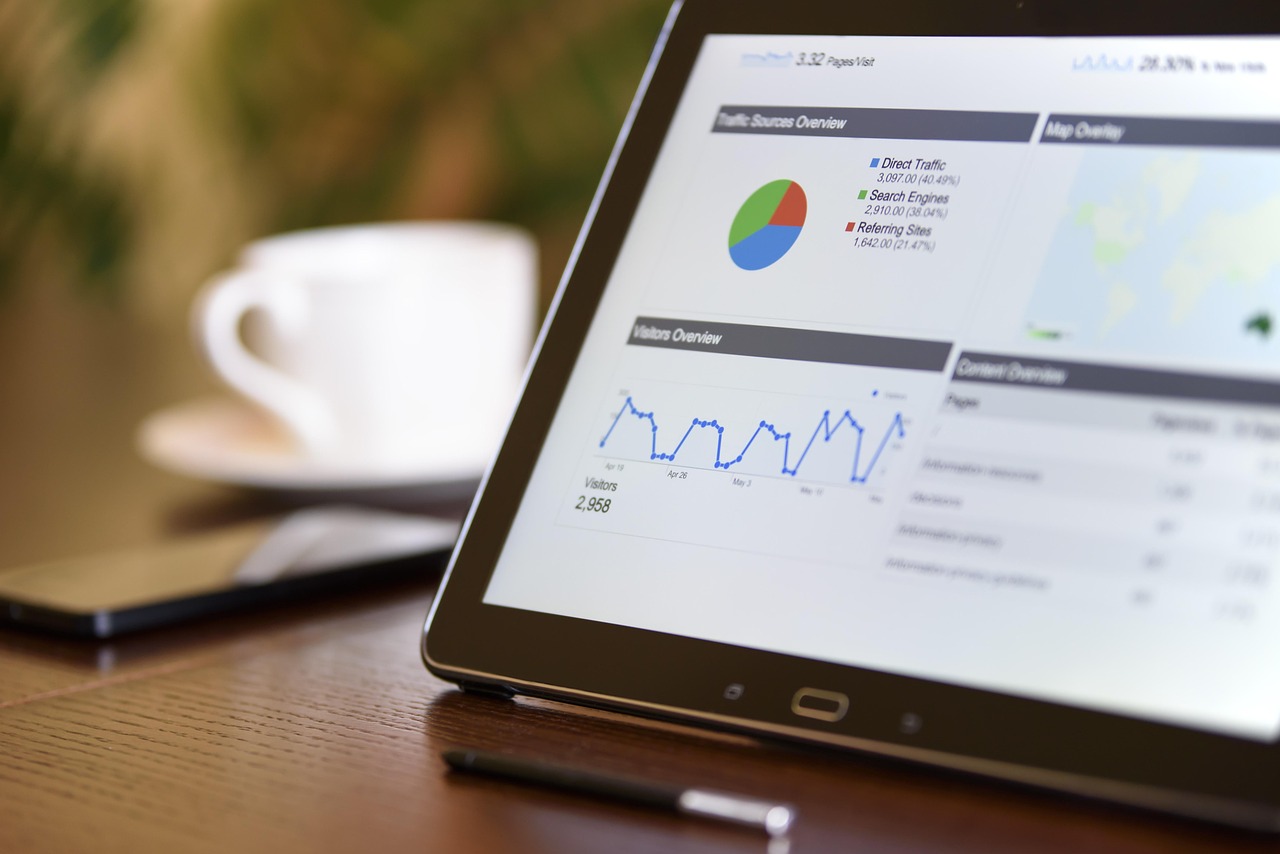
- Space utilization analytics
- Integration with IoT and access control systems
- Reporting for cost optimization and planning
This enables organizations to manage flexible workspaces effectively while maintaining operational efficiency.
The Role of Flexible Space Management in Hybrid Offices
1. Optimizing Space Utilization
One of the biggest benefits of flexible space management is understanding how office spaces are actually used. IWMS platforms collect data from booking systems, sensors, and access controls to show:
- Which desks and rooms are frequently used
- Peak and low occupancy days
- Underutilized areas that can be repurposed
This data helps organizations reduce wasted space, consolidate floors, or redesign layouts to support hybrid work.
2. Smart Desk and Room Booking
Hybrid employees need the ability to reserve desks, meeting rooms, and collaboration areas easily. IWMS systems enable:
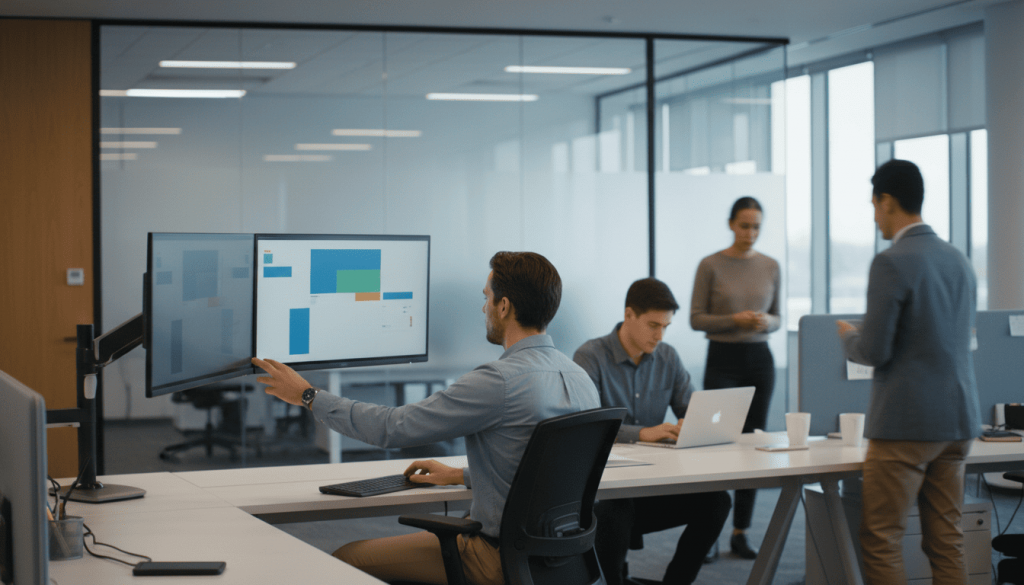
- Hot-desking and desk hoteling
- Real-time room availability
- Mobile and self-service booking
- Automated check-ins and no-show detection
By simplifying reservations, hybrid workplace IWMS platforms improve employee experience and prevent conflicts over space.
3. Real-Time Occupancy and Safety Management
With fluctuating attendance, real-time visibility is essential. IWMS platforms track occupancy levels to:
- Prevent overcrowding
- Support health and safety compliance
- Optimize cleaning schedules
- Improve emergency response planning
This is especially important in shared and flexible spaces where occupancy changes throughout the day.
Cost Control and Portfolio Optimization
Hybrid work often leads to excess real estate costs. IWMS systems help organizations:
- Analyze space usage trends across locations
- Identify opportunities to downsize or renegotiate leases
- Allocate space based on actual demand
- Reduce energy and maintenance costs
By using flexible space management insights, facility and real estate teams can align costs with real usage instead of assumptions.
Enhancing Employee Experience in Hybrid Workplaces
Employee experience is a key driver of productivity and retention. A hybrid workplace IWMS improves experience by:
- Providing seamless access to desks and meeting spaces
- Reducing time spent searching for available rooms
- Supporting collaboration through smart layouts
- Offering mobile apps for workplace services
When employees can easily navigate and use the office, they are more likely to engage and collaborate effectively.
Data-Driven Workplace Planning
IWMS platforms turn workplace data into actionable insights:
- Usage analytics support future space planning
- Trend analysis helps predict attendance patterns
- Reports guide office redesign and expansion decisions
- Dashboards provide visibility for leadership
Instead of guessing, organizations can plan their workplaces based on real data.
Integrating IWMS with Smart Building Technologies
Modern IWMS platforms integrate with:
- IoT sensors for occupancy tracking
- Building Management Systems (BMS)
- Energy management tools
- Access control and visitor systems
This integration enables automated lighting, HVAC adjustments, and cleaning schedules based on actual usage—making hybrid workplaces smarter and more sustainable.
FacilityBot and Hybrid Workplace Management
FacilityBot supports hybrid workplace strategies by offering centralized control over space, assets, and maintenance. With real-time insights and automation, FacilityBot enables:
- Efficient space utilization tracking
- Smarter maintenance planning for flexible spaces
- Improved visibility into workplace operations
- Better coordination between facilities and employees
By combining IWMS capabilities with intelligent workflows, FacilityBot helps organizations manage flexible spaces efficiently and adapt to changing work patterns.
Best Practices for Managing Hybrid Workplaces with IWMS
To maximize the value of a hybrid workplace IWMS, organizations should:
- Start with Data: Use occupancy and usage analytics to understand current space needs.
- Enable Self-Service: Allow employees to book desks and rooms independently.
- Design for Flexibility: Create multipurpose spaces that adapt to different work styles.
- Integrate Systems: Connect IWMS with IoT, access control, and maintenance platforms.
- Continuously Optimize: Review reports regularly and adjust layouts and policies.
The Future of Hybrid Workplaces
As hybrid work continues to evolve, workplace management will become even more dynamic. Future IWMS platforms will leverage:
- AI-driven space forecasting
- Predictive occupancy planning
- Deeper integrations with smart buildings
- Personalized workplace experiences
Organizations that invest in flexible space management today will be better prepared for the workplaces of tomorrow.
Conclusion
Hybrid work is here to stay, and managing it effectively requires more than traditional tools. A robust hybrid workplace IWMS enables organizations to optimize space, reduce costs, and deliver a seamless employee experience through intelligent flexible space management.
With platforms like FacilityBot, facility managers gain the visibility and control needed to adapt to hybrid work models, ensuring workplaces remain efficient, flexible, and future-ready.