
Workplace safety has always been a top priority for organizations, especially in high-risk industries such as construction, manufacturing, oil & gas, healthcare, and facilities management. In Singapore—where regulatory compliance and workplace safety standards are strictly enforced—companies must adopt smarter systems to manage operational risks effectively.
Traditional paper-based permit-to-work processes are no longer sufficient. Manual approvals, fragmented documentation, and limited visibility increase the risk of human error and compliance gaps.
The future of workplace safety lies in AI-powered e-Permit to Work software—intelligent, automated platforms that digitize, streamline, and enhance safety procedures.
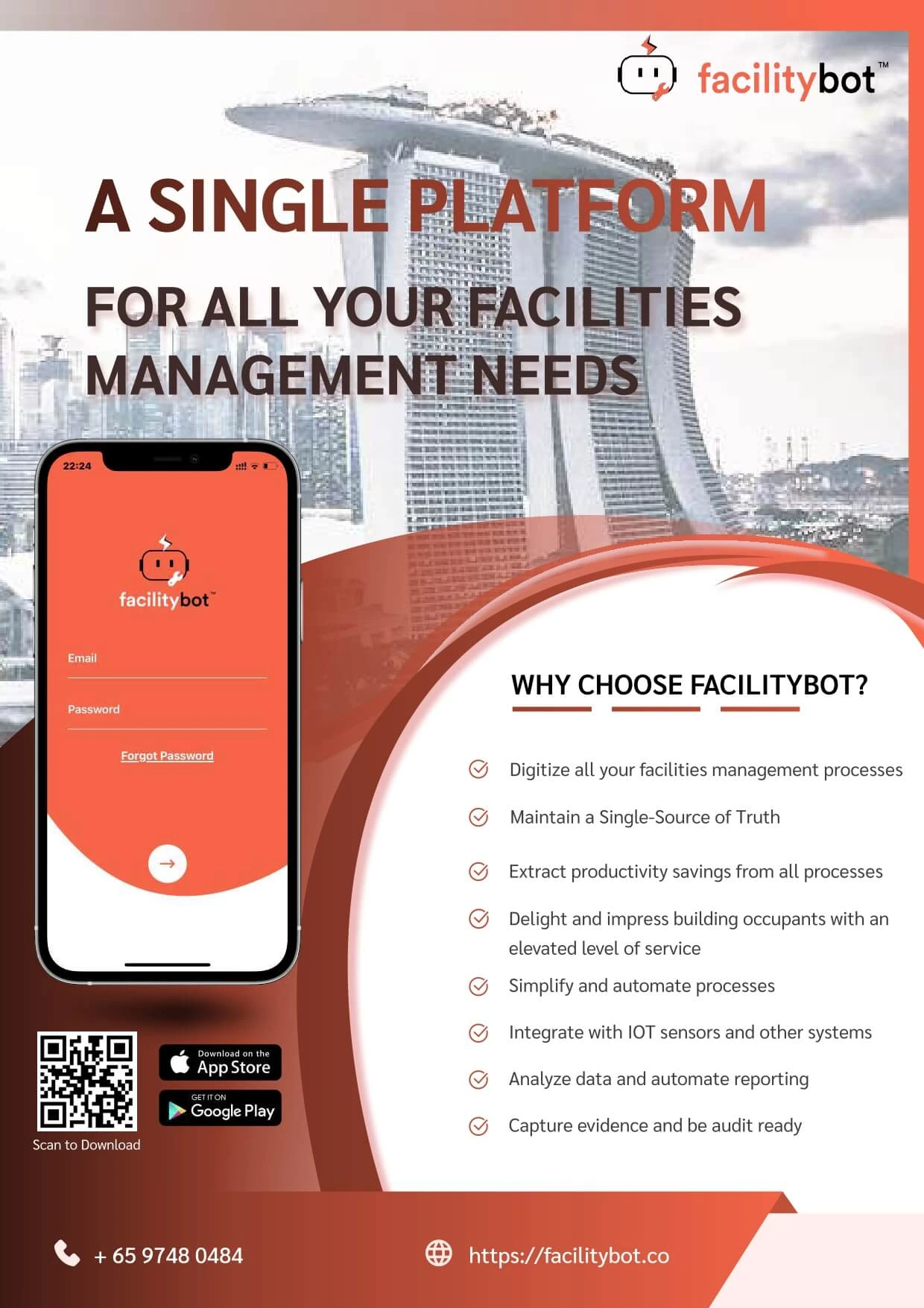
As one of the best CMMS software in Singapore, FacilityBot helps organizations modernize their safety operations with digital workflows and smart permit management capabilities.
Let’s explore how AI-driven e-permit systems are transforming workplace safety.
What Is a Permit to Work System?
A Permit to Work (PTW) system is a formal safety procedure used to control high-risk tasks such as:
- Hot work
- Confined space entry
- Electrical maintenance
- Work at heights
- Hazardous material handling
The purpose of a PTW system is to ensure:
- Risk assessments are conducted
- Safety precautions are defined
- Responsibilities are clearly assigned
- Proper authorization is obtained before work begins
Historically, these processes relied heavily on paper forms, emails, and manual signatures.
The Limitations of Traditional Permit Systems
Manual permit processes create several operational challenges:
1. Delays in Approvals
Paper-based workflows often require physical signatures, slowing down project timelines.
2. Poor Visibility
Supervisors may struggle to track which permits are active, expired, or pending.
3. Increased Compliance Risk
Missing documentation or incomplete forms can lead to regulatory penalties.
4. Human Error
Manual risk assessments are prone to oversight, especially in complex environments.
In Singapore’s highly regulated environment, these inefficiencies can expose organizations to serious safety and legal risks.
Enter AI-Powered e-Permit to Work Systems
An AI-powered e-Permit to Work system digitizes and automates the entire permit lifecycle—from request submission to final closure.
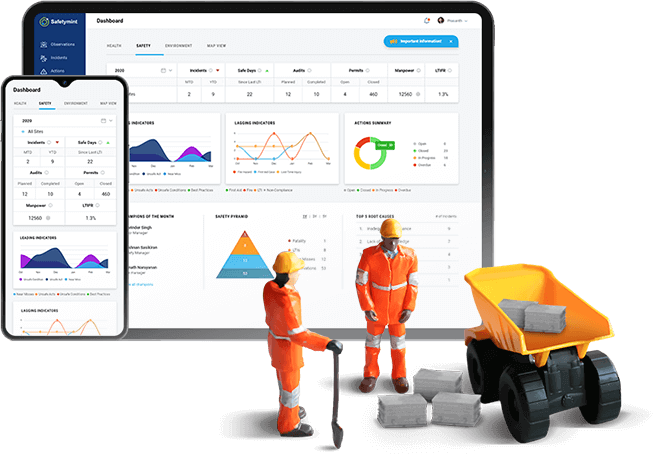
Instead of relying on static forms, the system uses intelligent algorithms to enhance decision-making and safety controls.
Key Features of AI-Driven e-Permit Systems
1. Smart Risk Identification
AI can analyze historical incident data, equipment conditions, and environmental factors to flag potential risks before approval.
For example:
- If similar tasks previously resulted in incidents, the system can recommend additional safety precautions.
- If weather conditions pose a risk for working at heights, alerts can be triggered automatically.
This proactive risk management significantly reduces workplace accidents.
2. Automated Workflow Approvals
AI-driven systems route permit requests to the appropriate approvers based on:
- Work type
- Location
- Risk level
- Department
This eliminates confusion and ensures accountability.
With FacilityBot’s digital workflows, approvals are streamlined, traceable, and auditable—reducing delays while maintaining compliance.
3. Real-Time Monitoring
Modern e-permit systems integrate with IoT devices and sensors to monitor:
- Gas levels in confined spaces
- Temperature during hot work
- Equipment operational status
If unsafe conditions are detected, the system can automatically pause or revoke permits.
This real-time responsiveness elevates safety from reactive to preventive.
4. Digital Audit Trails
Every action within an AI-powered e-permit system is recorded:
- Who submitted the request
- Who approved it
- What risk assessments were completed
- When the permit was closed
This creates a comprehensive audit trail that simplifies regulatory inspections and internal audits.
In Singapore, where workplace safety compliance is strictly monitored, this documentation is invaluable.
5. Predictive Safety Insights
AI analyzes permit data over time to identify patterns such as:
- Frequently occurring high-risk tasks
- Departments with recurring safety concerns
- Time periods with increased incident rates
These insights help safety managers implement targeted preventive strategies.
Benefits of AI-Powered e-Permit Systems
Improved Workplace Safety
AI-enhanced risk assessment reduces accidents and near-miss incidents by identifying hazards early.
Faster Project Execution
Automated approvals and digital workflows reduce waiting times and administrative bottlenecks.
Enhanced Compliance
Digital records ensure adherence to safety regulations and provide instant documentation during audits.
Centralized Visibility
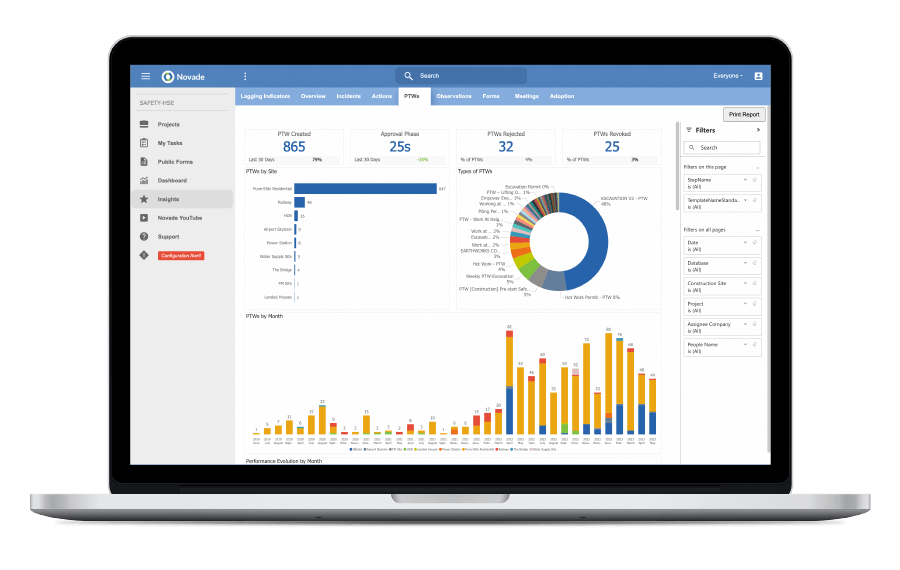
Managers gain real-time dashboards showing:
- Active permits
- High-risk work zones
- Pending approvals
- Safety performance metrics
This improves operational control across multiple sites.
Why Singapore Organizations Need Smart Permit Systems
Singapore has some of the most advanced workplace safety regulations in Asia. Companies are expected to:
- Maintain accurate safety documentation
- Conduct thorough risk assessments
- Implement preventive controls
- Ensure accountability at every level
AI-powered e-Permit to Work systems support these expectations by providing structure, automation, and intelligent oversight.
As industries continue to adopt smart building technologies and digital transformation initiatives, safety systems must evolve alongside them.
How FacilityBot Supports AI-Driven Safety Management
FacilityBot, recognized as one of the best CMMS software solutions in Singapore, integrates safety management within its maintenance ecosystem.
With FacilityBot, organizations can:
- Digitize permit-to-work processes
- Automate approval workflows
- Track safety compliance centrally
- Integrate permits with maintenance schedules
- Maintain complete digital audit records
By combining maintenance management with e-permit capabilities, FacilityBot ensures that safety is embedded into daily operations—not treated as a separate process.
This integration reduces silos and enhances cross-department collaboration.
The Role of AI in the Future of Workplace Safety
Looking ahead, AI will continue to reshape safety management through:
- Real-time hazard prediction
- Voice-enabled permit applications
- Automated compliance reporting
- Integration with wearable safety devices
- AI-driven training recommendations
The shift from reactive safety practices to predictive safety ecosystems is already underway.
Organizations that adopt intelligent systems today will build safer, more resilient workplaces tomorrow.
Best Practices for Implementing AI e-Permit Systems
To maximize benefits, companies should:
- Digitize existing safety procedures.
- Train employees on digital permit workflows.
- Integrate permit systems with maintenance and asset management platforms.
- Regularly review AI-generated safety insights.
- Continuously update risk assessment templates based on data trends.
A strategic implementation ensures smooth adoption and measurable improvements in safety performance.
Conclusion
Workplace safety is evolving rapidly. Paper-based permits and manual approvals no longer meet the demands of modern, high-risk work environments.
AI-powered e-Permit to Work systems represent the future—offering intelligent risk analysis, automated workflows, real-time monitoring, and predictive insights.
For organizations in Singapore seeking to strengthen safety compliance and operational efficiency, adopting a digital, AI-enabled platform is essential.
FacilityBot leads this transformation by combining maintenance excellence with advanced safety management capabilities.
The future of workplace safety isn’t just digital—it’s intelligent, automated, and proactive.