
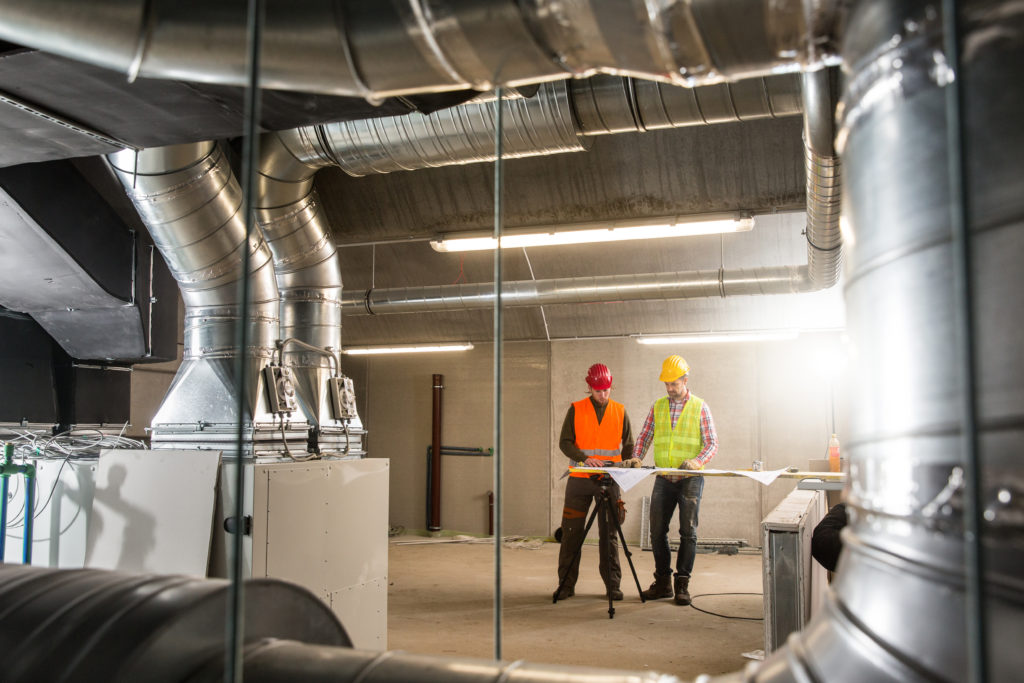
Maintaining commercial properties isn’t just about cleaning—it’s about ensuring safety, efficiency, tenant satisfaction, and long-term asset value. From janitorial services and carpet cleaning to handyman work, plumbing, and facility upkeep, Houston businesses rely on professional building maintenance companies to keep operations running smoothly. To help facility managers, property owners, and operations teams make informed decisions,
Category Archives: Facilities Management
Managing real estate portfolios has become increasingly complex for organizations across the USA. From lease administration and compliance tracking to space optimization and cost control, real estate teams are under pressure to do more with less. Disconnected spreadsheets, manual processes, and limited visibility into lease data often lead to missed deadlines, financial leakage, and poor
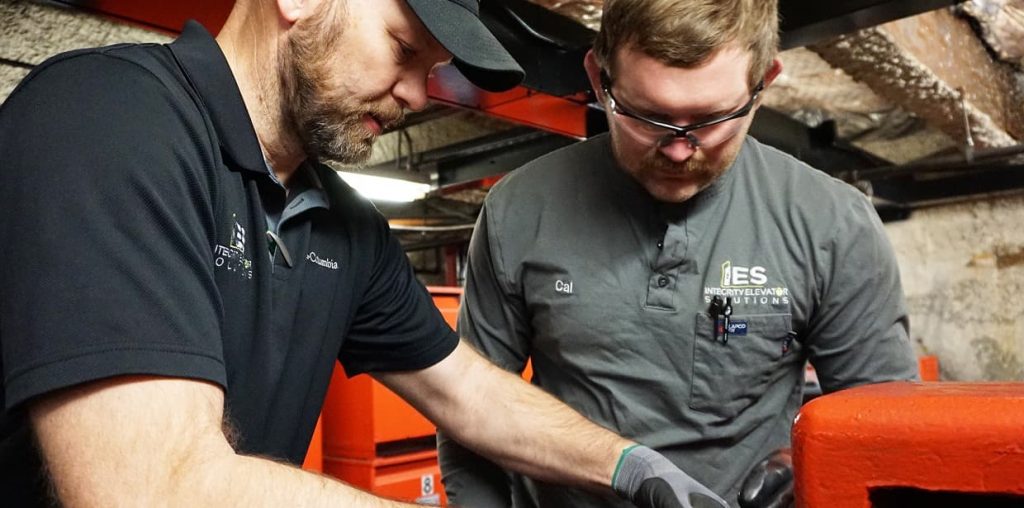
Reliable elevator systems are essential for commercial buildings, residential complexes, healthcare facilities, and high-rise properties. From routine elevator maintenance to emergency repairs and new installations, Houston property managers depend on professional elevator service companies to ensure safety, compliance, and uninterrupted operations. To help facility managers, building owners, and real estate operators make informed decisions, FacilityBot
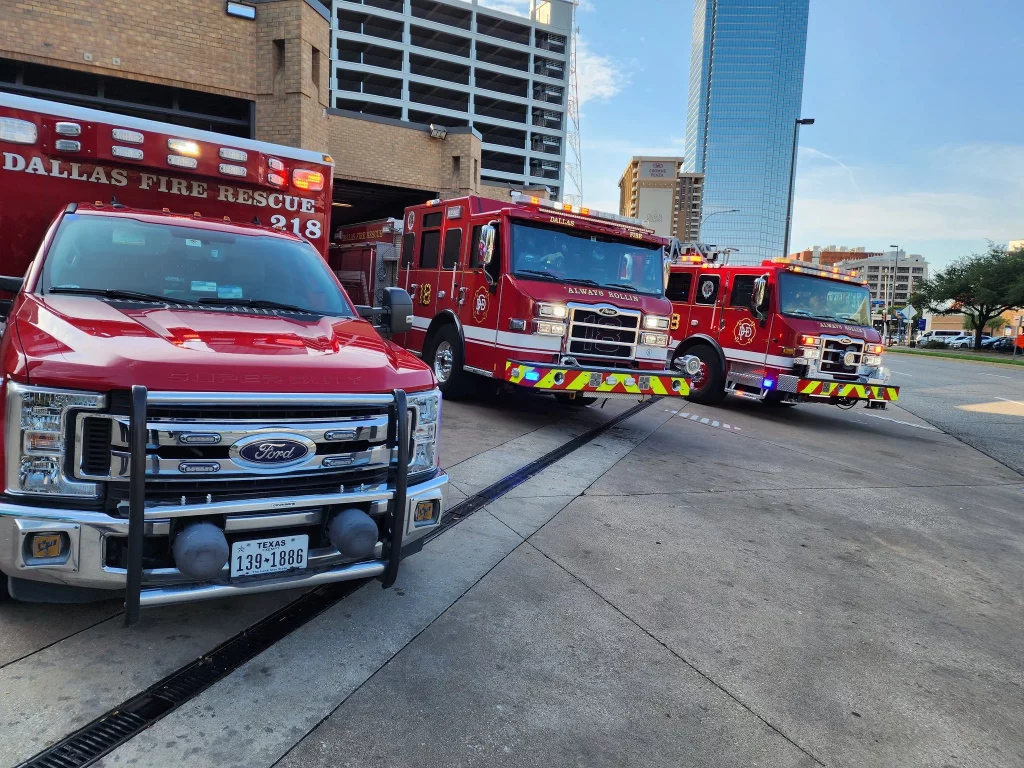
Fire safety is a critical responsibility for commercial buildings, industrial facilities, healthcare centers, and multi-tenant properties. From fire extinguisher inspections and sprinkler systems to life safety compliance, Houston businesses rely on professional fire protection companies to meet safety regulations and reduce operational risk. To help facility managers, property owners, and business operators make informed decisions,
asset management, Facilities Management
How EAM Software Supports Capital Planning and Long-Term Budgeting

Capital planning and long-term budgeting are among the most strategic responsibilities for facility and asset managers. Decisions about when to repair, replace, or upgrade assets directly impact operational reliability, financial performance, and business continuity. However, many organizations still rely on spreadsheets, historical averages, or reactive decision-making—approaches that often lead to budget overruns and unexpected capital
Reliable plumbing services are essential for maintaining safe, functional, and compliant residential and commercial properties. From office buildings and retail spaces to multi-family housing and industrial facilities, Houston property owners rely on professional plumbing companies to handle installations, repairs, water heater services, and emergency plumbing issues. To help facility managers, property owners, and business operators
Reliable heating and air conditioning systems are essential for commercial buildings in Houston’s demanding climate. From office complexes and retail spaces to warehouses and multi-tenant facilities, professional HVAC companies play a critical role in maintaining comfort, energy efficiency, and system reliability year-round. To help facility managers, property owners, and business operators make informed decisions, FacilityBot

As facility operations grow more complex, organizations across the USA are under constant pressure to reduce costs, improve efficiency, and scale operations without adding unnecessary overhead. This is where an Integrated Workplace Management System (IWMS) becomes a strategic investment rather than just another piece of software. For enterprises managing multiple buildings, assets, and service providers,
asset management, Facilities Management, Uncategorized
EAM Compliance Management: How Software Simplifies Audits and Safety
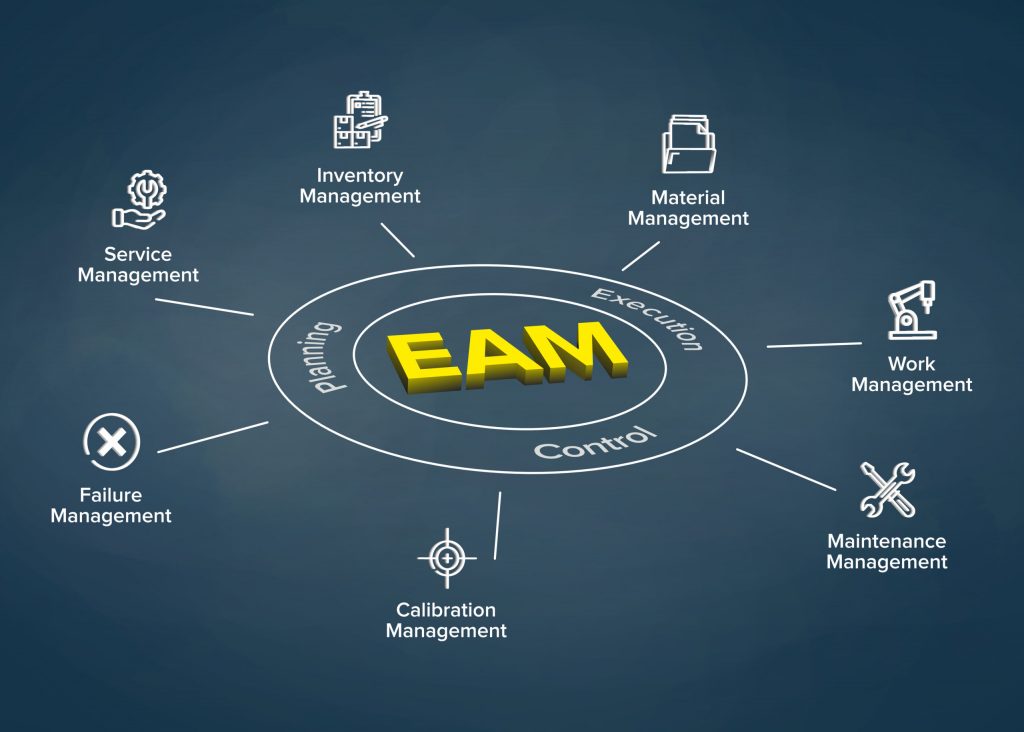
Regulatory compliance is a critical responsibility for organizations that manage physical assets, infrastructure, and facilities. From safety regulations and environmental standards to industry-specific requirements, maintaining compliance can be complex and time-consuming. Manual processes, paper records, and disconnected systems increase the risk of errors, missed inspections, and failed audits. This is where EAM compliance management powered

Landscaping plays a crucial role in how commercial properties are perceived. Well-maintained outdoor spaces improve curb appeal, enhance tenant satisfaction, and contribute to a professional brand image. From office parks and retail centers to industrial facilities and multi-tenant properties, Dallas businesses rely on professional landscaping companies to maintain functional, attractive outdoor environments year-round. To help