

Preventive maintenance is often discussed as though it exists on its own: a set of tasks, an interval, a checklist, a technician. But in any facility with more than a few dozen assets, PM doesn’t function in isolation. It sits on top of something larger — a structured record of every asset, where it lives,
Category Archives: asset management
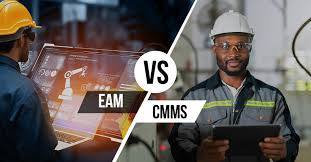
For organisations evaluating maintenance management software, one question consistently creates confusion before the selection process even begins: should we be looking at a CMMS or an EAM? The terms are often used interchangeably in vendor marketing, yet they represent genuinely different scopes of capability, different implementation complexity, and different total cost of ownership. Choosing incorrectly

Enterprise Asset Management (EAM) has undergone a dramatic transformation over the past two decades. What once relied on spreadsheets, manual logs, and reactive maintenance has now evolved into intelligent, AI-driven platforms that deliver predictive insights and strategic value. For organizations in Singapore—where operational efficiency, compliance, and smart building initiatives are top priorities—modern EAM systems are
asset management, CMMS, Facilities Management
Reducing Downtime with Connected EAM and CMMS Solutions
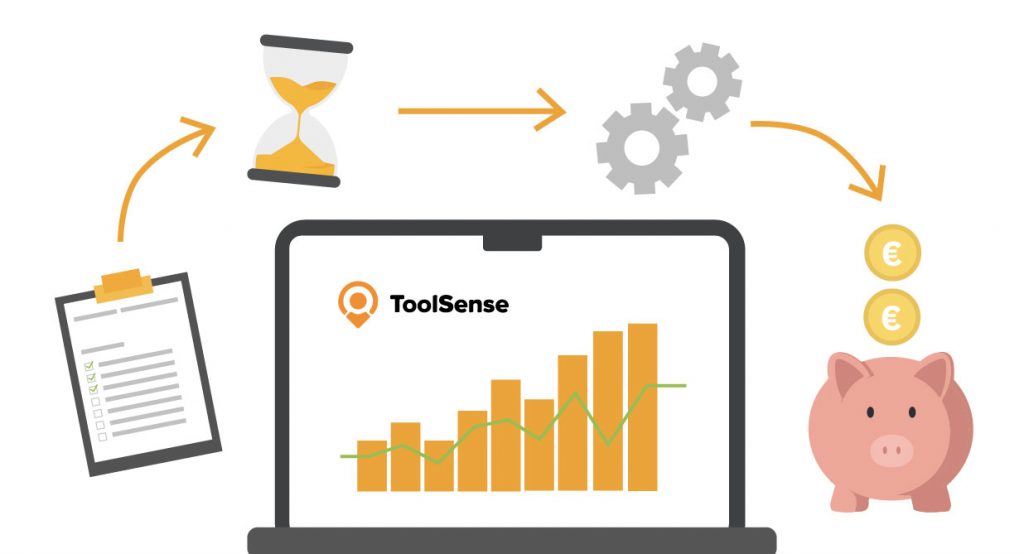
Unplanned downtime is one of the most expensive challenges organizations face. Whether in manufacturing plants, commercial buildings, healthcare facilities, or large real estate portfolios, equipment failures disrupt operations, reduce productivity, and increase costs. In the USA alone, downtime costs businesses billions of dollars annually due to lost revenue, emergency repairs, and operational inefficiencies. To stay
asset management, Facilities Management
How EAM Software Supports Capital Planning and Long-Term Budgeting

Capital planning and long-term budgeting are among the most strategic responsibilities for facility and asset managers. Decisions about when to repair, replace, or upgrade assets directly impact operational reliability, financial performance, and business continuity. However, many organizations still rely on spreadsheets, historical averages, or reactive decision-making—approaches that often lead to budget overruns and unexpected capital
asset management, Facilities Management, Uncategorized
EAM Compliance Management: How Software Simplifies Audits and Safety
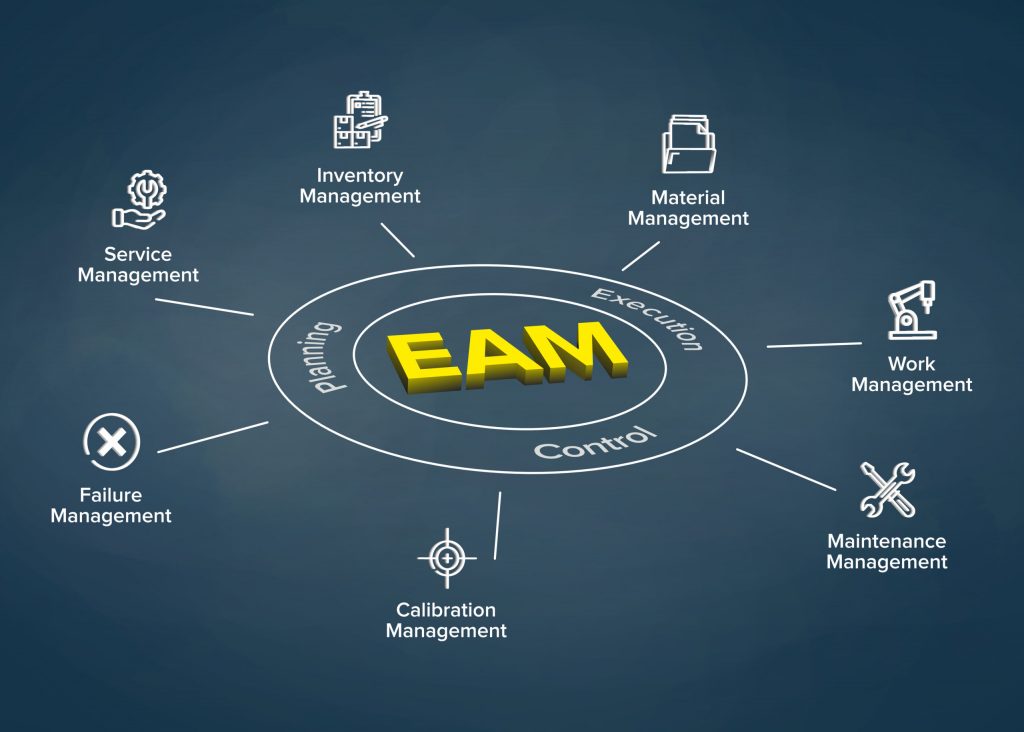
Regulatory compliance is a critical responsibility for organizations that manage physical assets, infrastructure, and facilities. From safety regulations and environmental standards to industry-specific requirements, maintaining compliance can be complex and time-consuming. Manual processes, paper records, and disconnected systems increase the risk of errors, missed inspections, and failed audits. This is where EAM compliance management powered
asset management, Facilities Management
How Integrated EAM Improves Inventory and Spare Parts Management

Effective inventory and spare parts management is a constant challenge for facility managers, maintenance teams, and asset-intensive organizations. Overstocking leads to wasted capital and storage costs, while understocking causes downtime, delayed repairs, and frustrated technicians. This is where integrated Enterprise Asset Management (EAM) systems play a critical role. By combining asset data, maintenance schedules, and
asset management, Facilities Management
Cybersecurity in EAM and IWMS Systems: Protecting Critical Facilities

Modern facilities rely heavily on digital platforms to manage assets, maintenance, space planning, vendor coordination, and workforce efficiency. Enterprise Asset Management (EAM) systems and Integrated Workplace Management Systems (IWMS) have become the backbone of operational infrastructure. However, as these systems collect sensitive operational data and integrate with IoT sensors, BMS systems, and cloud platforms, cybersecurity
asset management, Facilities Management
AI and Machine Learning in EAM for Accurate Asset Forecasting

In the modern era of enterprise asset management (EAM), organizations are no longer relying solely on reactive or time-based maintenance strategies. With increasingly complex facilities, distributed assets, and higher operational demands, predictive and proactive asset management has become critical. Technologies like AI forecasting EAM and machine learning asset management are transforming how enterprises monitor, maintain,
asset management, Facilities Management
How EAM Software Helps Reduce Maintenance Costs and Improve ROI
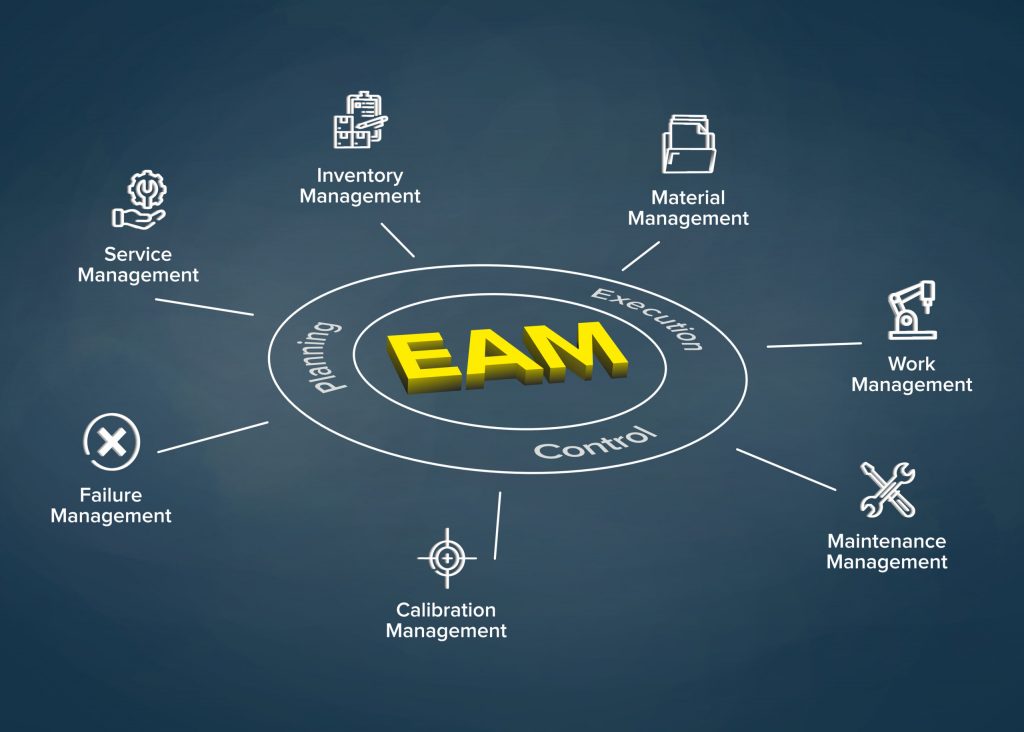
Modern facilities and asset-intensive enterprises face rising pressure to keep equipment running longer, reduce operating costs, and improve capital efficiency. With maintenance accounting for up to 40% of total operational spend in some industries, organizations are actively searching for technologies that deliver real EAM cost savings and stronger asset management ROI. Enterprise Asset Management (EAM)
- 1
- 2