
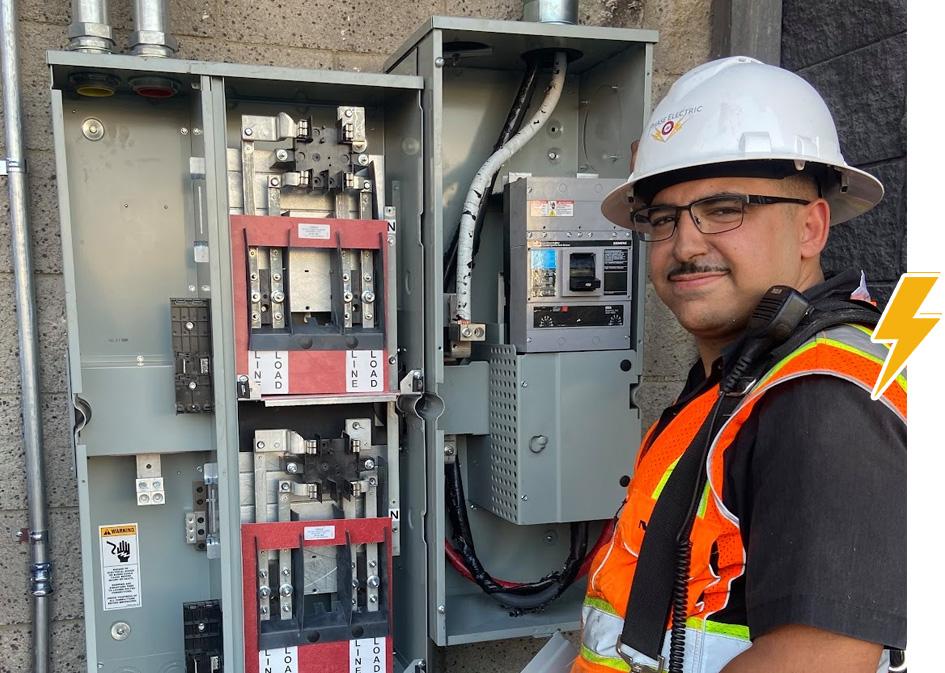
Electrical issues are more than just an inconvenience; they are a critical safety concern for homeowners in Los Angeles. Whether you are installing modern lighting, upgrading your panel for solar energy, or simply need to fix a faulty outlet, hiring a licensed and rated electrician is non-negotiable. By partnering with top-rated electrical professionals, you can
Author Archives: Anns Ahmad
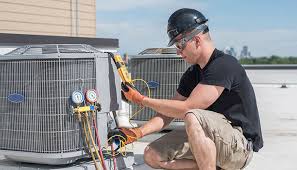
HVAC systems are the lifeline of Los Angeles homes, providing essential comfort during scorching summers and chilly desert nights. By hiring reliable heating and cooling professionals, homeowners can automate the maintenance of their climate control systems, ensuring efficiency and longevity. If you’re exhausted with noisy AC units, skyrocketing energy bills, or unreliable technicians who arrive
asset management, Facilities Management
How EAM Software Helps Reduce Maintenance Costs and Improve ROI
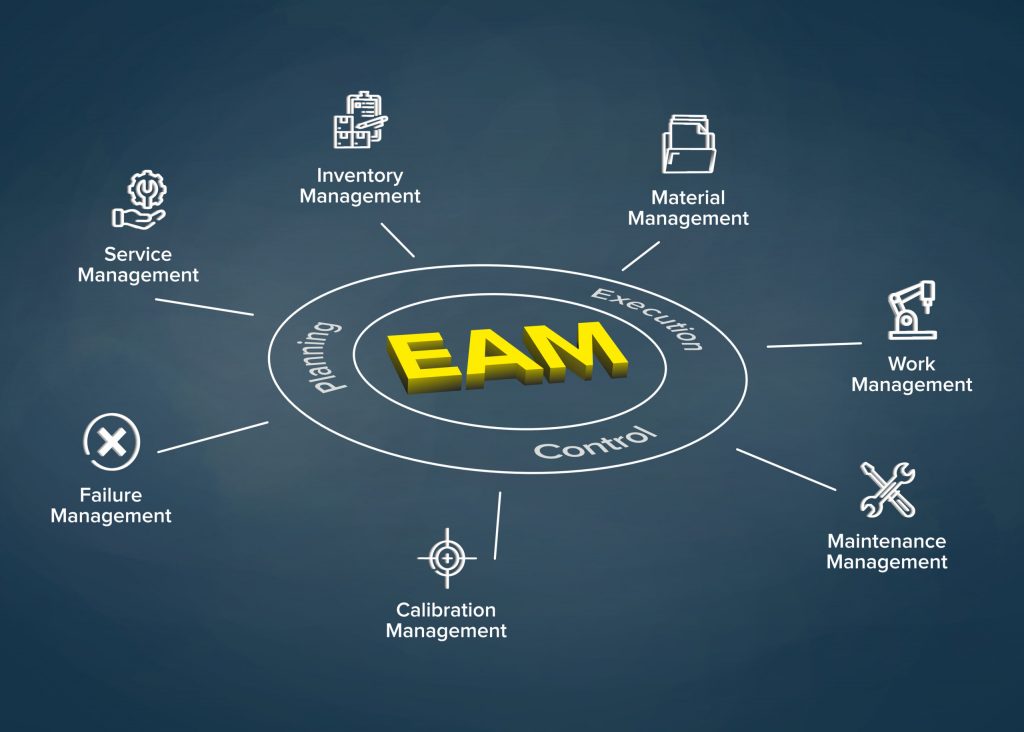
Modern facilities and asset-intensive enterprises face rising pressure to keep equipment running longer, reduce operating costs, and improve capital efficiency. With maintenance accounting for up to 40% of total operational spend in some industries, organizations are actively searching for technologies that deliver real EAM cost savings and stronger asset management ROI. Enterprise Asset Management (EAM)
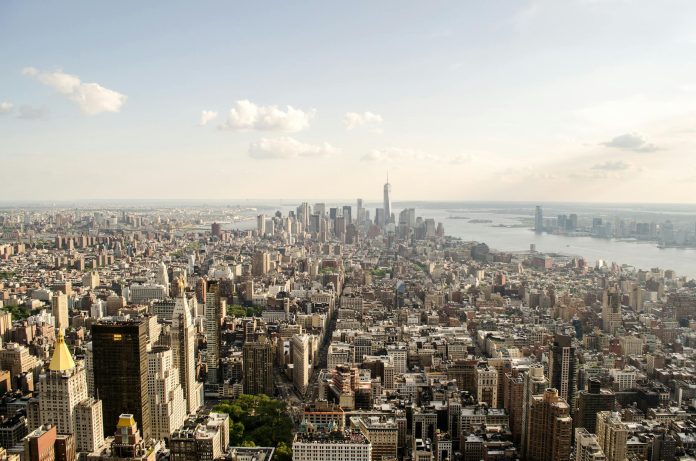
Energy management has become a critical priority for New York homeowners and businesses alike. As energy costs fluctuate and sustainability goals become more aggressive, the need for professional oversight is greater than ever. By partnering with top-rated energy suppliers, consultants, and management firms, property owners can automate utility monitoring, reduce waste, and transition to cleaner

Professional landscaping services have helped New York homeowners transform their properties into functional, beautiful outdoor retreats. By hiring expert landscape designers and contractors, property owners are able to automate the heavy lifting of maintenance and focus on enjoying their outdoor living spaces. If you’re exhausted with managing overgrown lawns, struggling with poor drainage, or trying
Uncategorized
Sustainability and ESG Reporting with IWMS Platforms: A New Era for Responsible Facilities

Sustainability has become a defining priority for modern organizations. Investors, regulators, employees, and building occupants increasingly expect companies to operate responsibly, manage resources efficiently, and transparently disclose their environmental, social, and governance (ESG) performance. However, producing accurate ESG reports and operating facilities sustainably is not simple. Buildings generate massive volumes of energy, space usage, water,
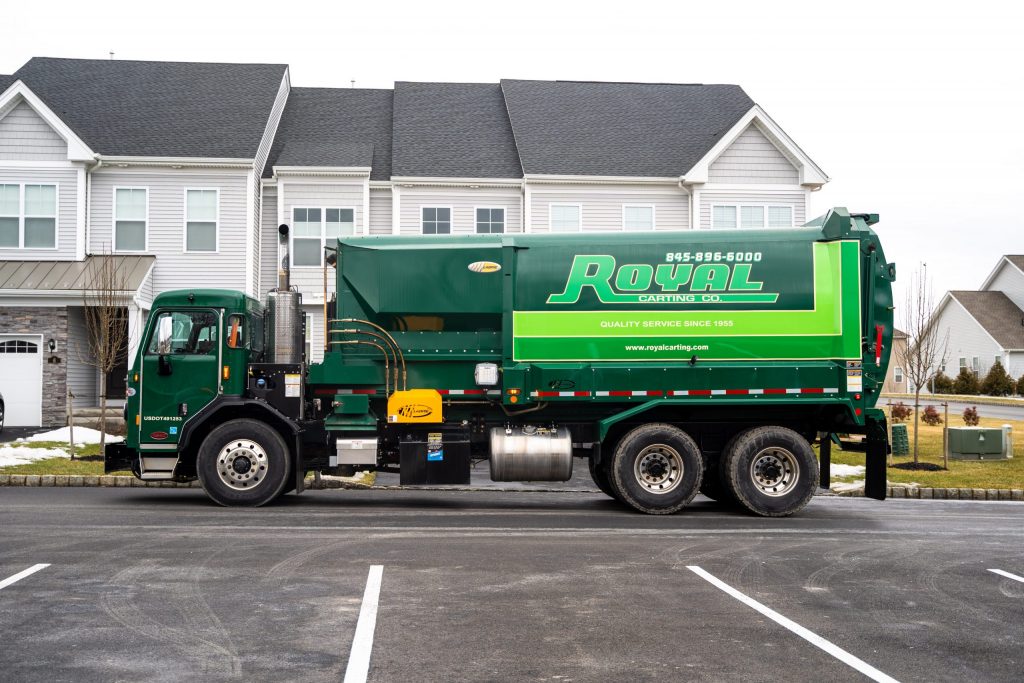
The year 2026 marks a historic turning point for waste management in New York City. With the full-scale implementation of the Commercial Waste Zones (CWZ) program under Local Law 199, the “wild west” of private carting is officially over. New York is now divided into 20 distinct zones, and businesses in areas like Brooklyn South
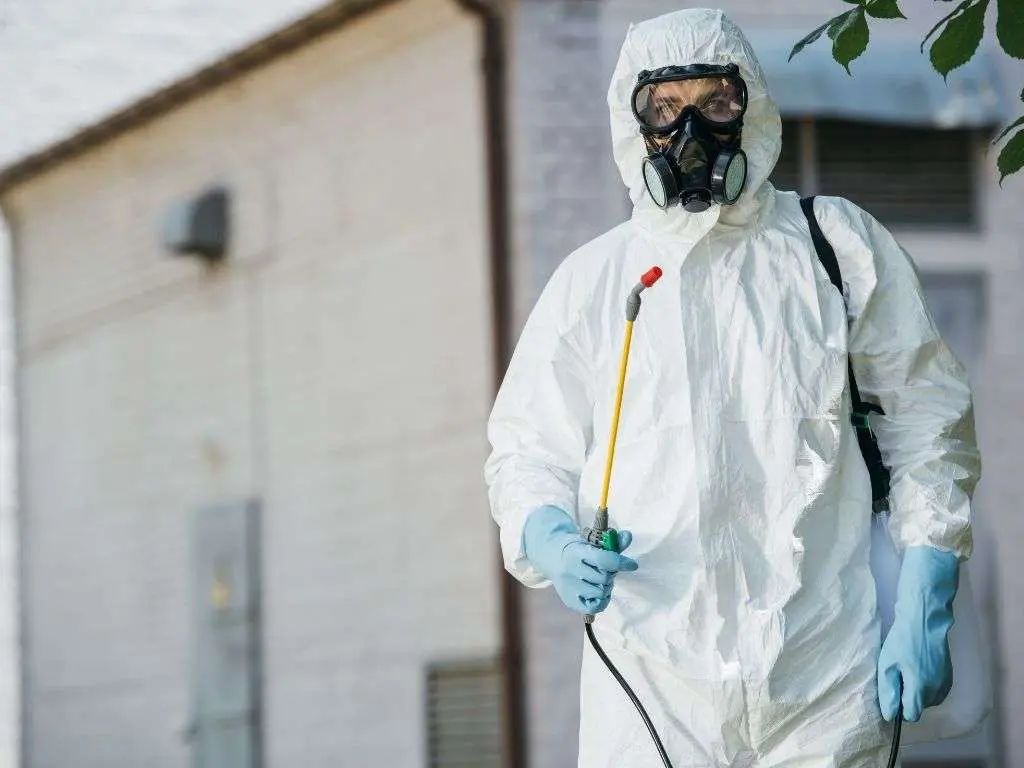
Pest management in New York City is an ever-evolving challenge. As we move through 2026, facility managers are dealing with more than just the “standard” local pests; surging rodent populations, expanded mosquito seasons, and stricter Local Law 55 indoor allergen regulations have made professional intervention a necessity. In this article for Facilitybot, we highlight the

Enterprise Asset Management (EAM) has evolved rapidly over the past decade, driven by digitalization, automation, and the increasing need for smarter operations. One of the most transformative advancements is the integration of the Internet of Things (IoT) into EAM platforms. IoT-enabled EAM gives organizations real-time visibility into asset health, performance, and utilization—allowing smarter, data-driven decision-making
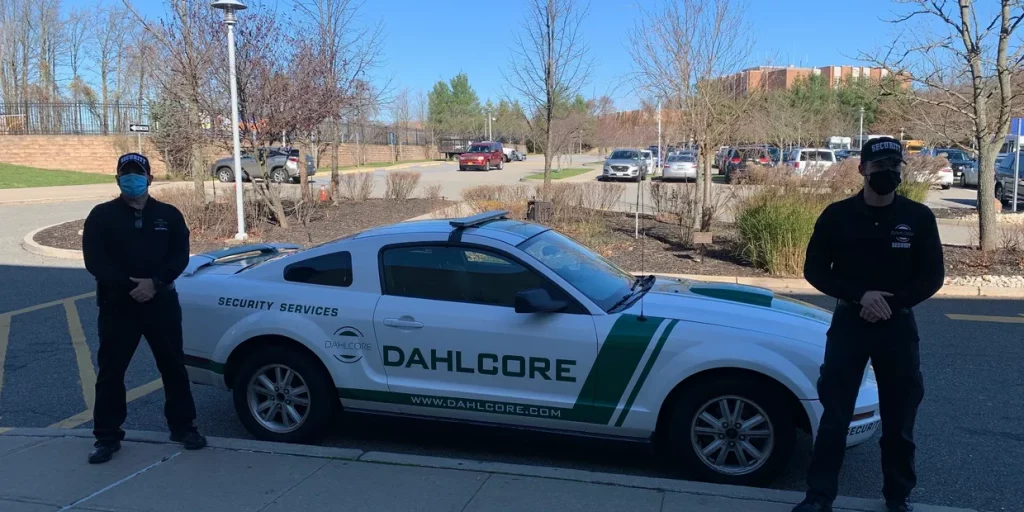
In the fast-paced environment of New York City, security is a top priority for facility managers, business owners, and event organizers. As we move through 2026, the industry has shifted toward “integrated protection”—combining highly trained physical guards with AI-driven surveillance and real-time threat detection. Whether you are managing a high-rise in Manhattan or a construction