
Choosing the best CMMS in Singapore can significantly transform how organisations manage maintenance, assets, and facility operations. With businesses increasingly demanding faster response times, predictive maintenance insights, and mobile-first workflows, CMMS solutions have evolved into essential tools for modern facilities. Whether you manage commercial buildings, schools, industrial plants, hospitals, or retail spaces, selecting the right
Author Archives: Anns Ahmad

As organizations modernize their operations, two systems often come up in discussions about maintenance and business management: CMMS (Computerized Maintenance Management Systems) and ERP (Enterprise Resource Planning). While both are essential for efficient operations, one of the most common questions facility managers ask is: “Is CMMS an ERP?” The short answer is no—a CMMS is

Choosing a Computerized Maintenance Management System (CMMS) is a major decision for any organization managing facilities, equipment, or assets. One of the first questions facility leaders ask is: “How much does CMMS software cost?” While every provider prices their software differently, the cost of a CMMS is primarily influenced by a set of clear, predictable
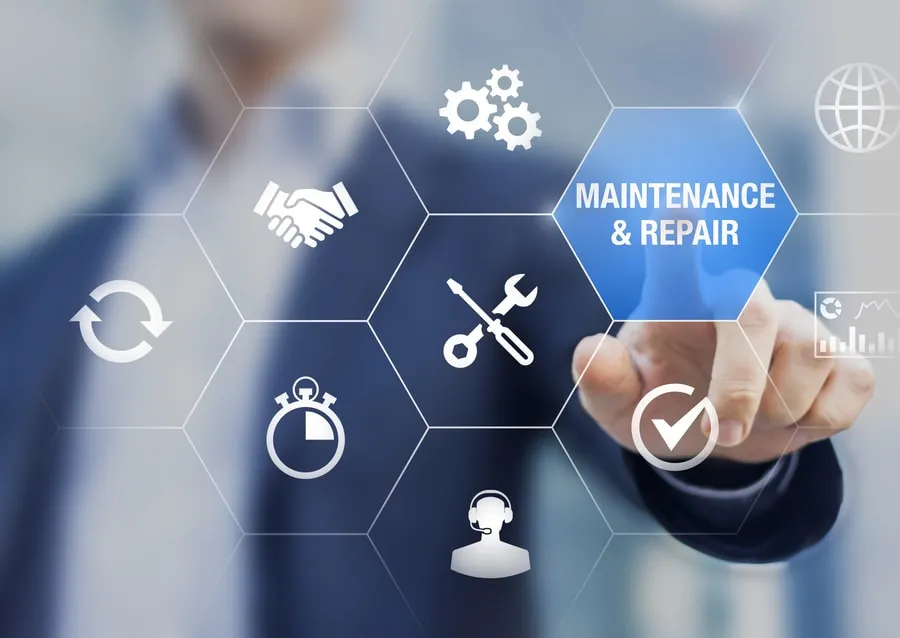
As facilities become more complex and maintenance operations become increasingly data-driven, choosing the right Computerized Maintenance Management System (CMMS) is more important than ever. Understanding the four types of CMMS helps facility managers choose the best solution for their operational needs—whether for asset tracking, work order automation, compliance, or enterprise-level performance. This guide breaks down

A Computerized Maintenance Management System (CMMS) has become one of the most essential tools in facility management. Whether you manage a commercial building, industrial plant, hospital, university, or residential complex, maintenance efficiency directly affects operational costs, asset uptime, energy consumption, and tenant satisfaction. But despite its importance, many facility managers still ask: What does a
Facilities Management, Procurement Management
AI for Vendor and Contractor Management: Smarter Procurement in Facility Management

Vendor and contractor management has always been one of the most complex responsibilities in facility management. From sourcing suppliers and evaluating bids to managing contracts, performance, compliance, and payments—traditional procurement methods often involve manual processes, inconsistent communication, and limited visibility. Today, the rise of AI vendor management and AI procurement facility management is transforming how
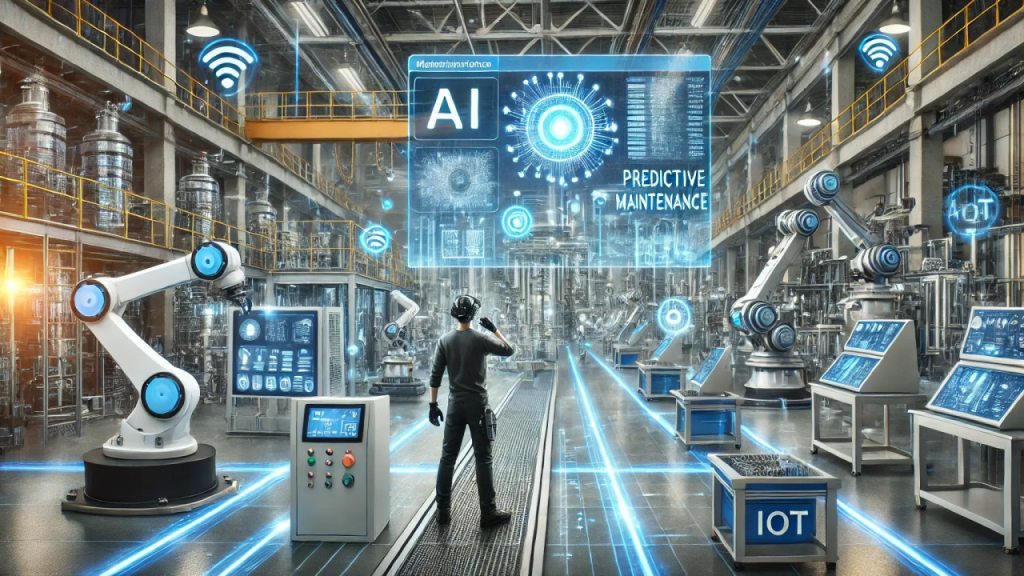
In today’s fast-evolving built environment, facility managers face unprecedented pressure to reduce equipment downtime, cut operational costs, and improve asset reliability. Traditional maintenance methods—reactive repairs, manual scheduling, and guesswork-based inspections—are no longer enough to keep modern facilities running efficiently. This is where AI maintenance planning in facility management is transforming the industry. Artificial intelligence is
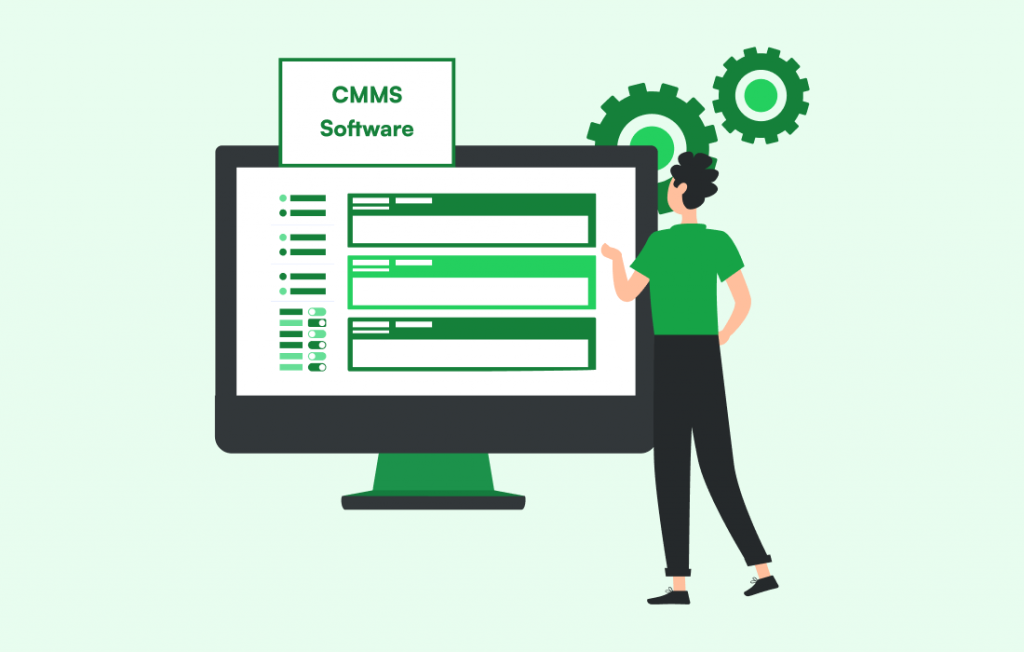
A Computerized Maintenance Management System (CMMS) is a software solution used by maintenance and facility teams to plan, track, schedule, and manage maintenance operations. Whether you operate a small facility or a global multi-site enterprise, a CMMS helps streamline work order management, improve asset reliability, and reduce downtime by providing a centralized, real-time source of
CMMS, Facilities Management, Green Mark
AI for Energy Optimization: Making Facilities More Sustainable

As energy costs rise and sustainability targets become more demanding, facility managers face increasing pressure to cut consumption, minimize waste, and operate buildings more efficiently. Traditional energy management methods—manual audits, periodic checks, and guesswork—are no longer enough. Today, the path to a greener and more cost-effective facility lies in AI energy efficiency and the power
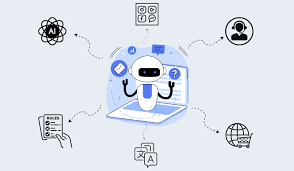
In the world of modern facility management, speed, convenience, and accuracy are everything. Whether tenants need to report an issue, track a service request, or get quick updates, they expect fast and seamless communication. Unfortunately, traditional facility request processes—phone calls, emails, manual ticket logging—are slow, inefficient, and prone to errors. This is where AI chatbots