

In today’s fast-paced world, facility operations are becoming more complex than ever. With multiple systems to manage—maintenance, energy, assets, security, and tenant services—traditional methods simply can’t keep up. That’s why many organizations are adopting AI facility management software to streamline operations, improve decision-making, and optimize performance. Artificial Intelligence (AI) is not just another buzzword; it’s
Author Archives: Anns Ahmad
CMMS, Facilities Management
The Future of Facilities Management: AI-Driven CMMS and Predictive Maintenance

The facilities management landscape is undergoing one of its most significant transformations ever—driven by artificial intelligence (AI), automation, and intelligent decision-making tools. As organizations seek higher efficiency and lower operational costs, AI in facilities management has become more than a trend; it is now a strategic priority. Modern Computerized Maintenance Management Systems (CMMS) are evolving
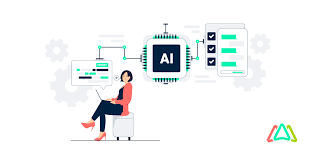
In 2025, the integration of artificial intelligence (AI) into Computerized Maintenance Management Systems (CMMS) has completely changed the way facilities operate. What was once a manual, reactive process of managing maintenance requests, scheduling tasks, and tracking assets has now evolved into a data-driven, intelligent workflow. The rise of AI CMMS software is empowering facility managers
Facilities Management, Procurement Management
AI for Vendor and Contractor Management: Smarter Procurement in FM

Managing vendors and contractors efficiently is one of the most complex aspects of facilities management (FM). From evaluating performance and ensuring compliance to tracking contracts and managing payments, the process is both time-consuming and prone to human error. Enter Artificial Intelligence (AI) — a game changer in optimizing procurement, vendor relations, and contract management. With

In 2025, facility management is no longer just about maintenance — it’s about intelligence, connectivity, and automation. The rise of AI integration in facility management is transforming how buildings operate, interact, and evolve. When integrated with IoT (Internet of Things) and BMS (Building Management Systems), AI turns traditional facilities into smart ecosystems capable of self-diagnosis,
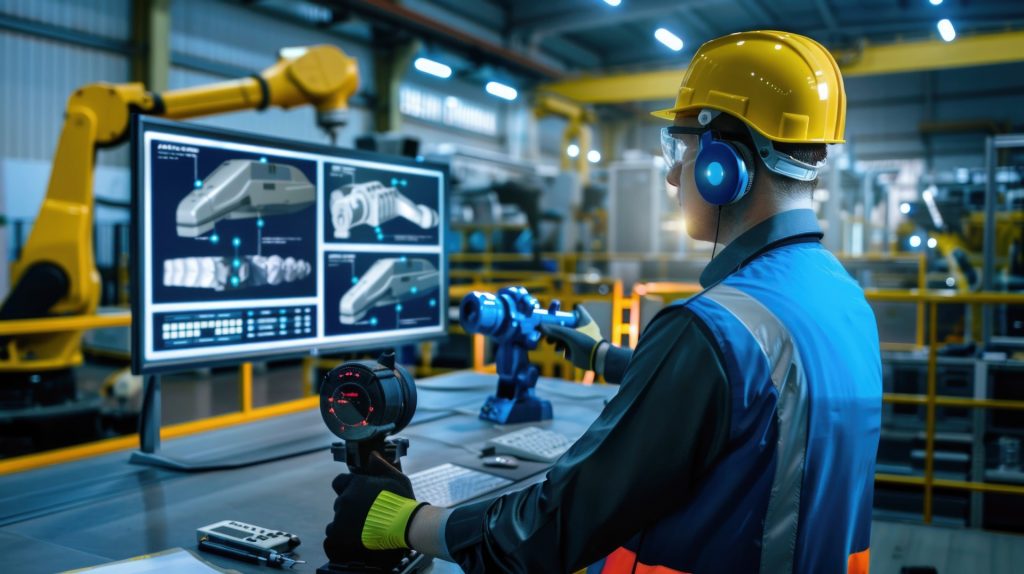
In modern facilities management, efficiency and uptime are everything. When equipment fails unexpectedly, it can disrupt operations, increase costs, and damage reputations. That’s where AI preventive maintenance comes in — helping facility managers anticipate and resolve issues before they escalate. In this guide, we’ll explore how AI transforms preventive and corrective maintenance, why it’s critical
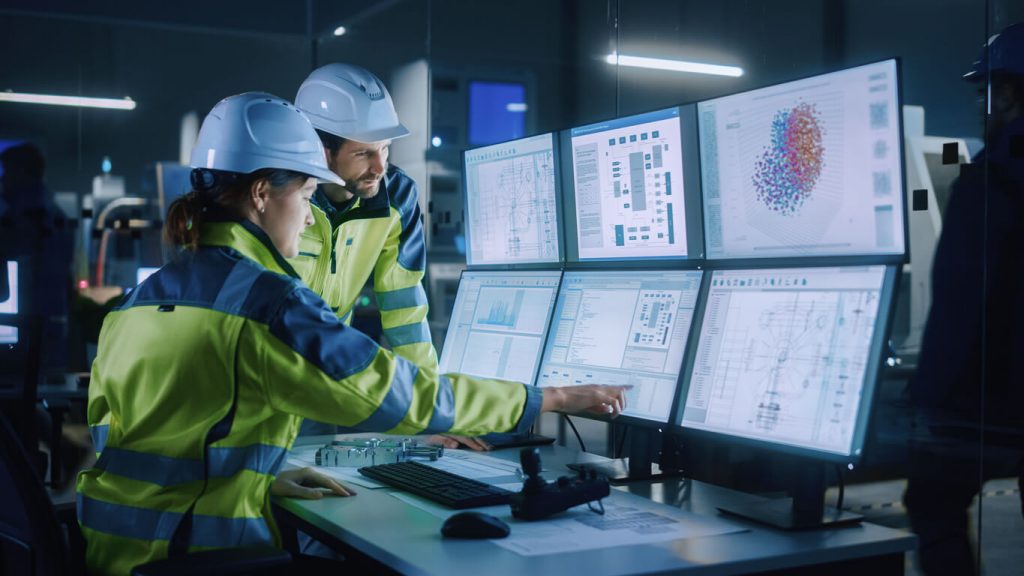
Facility management has always been about efficiency — ensuring that buildings, assets, and people operate in harmony. But in 2025, the role of facility managers has evolved dramatically. With growing expectations around sustainability, cost reduction, and real-time responsiveness, traditional methods are no longer enough. Enter Artificial Intelligence (AI) — a game changer for facility management.

Facility management in 2025 has become far more data-driven than ever before. Every building, system, and asset generates a wealth of information — from HVAC performance and energy consumption to work order completion rates and tenant satisfaction. But without the right tools, that data remains underutilized. Enter AI-driven analytics. Through artificial intelligence and machine learning,

In 2025, facility management has evolved far beyond manual fault reporting and reactive maintenance. One of the most transformative technologies driving this change is Natural Language Processing (NLP) — a branch of artificial intelligence (AI) that enables machines to understand, interpret, and respond to human language. When integrated into facility management software, NLP allows teams
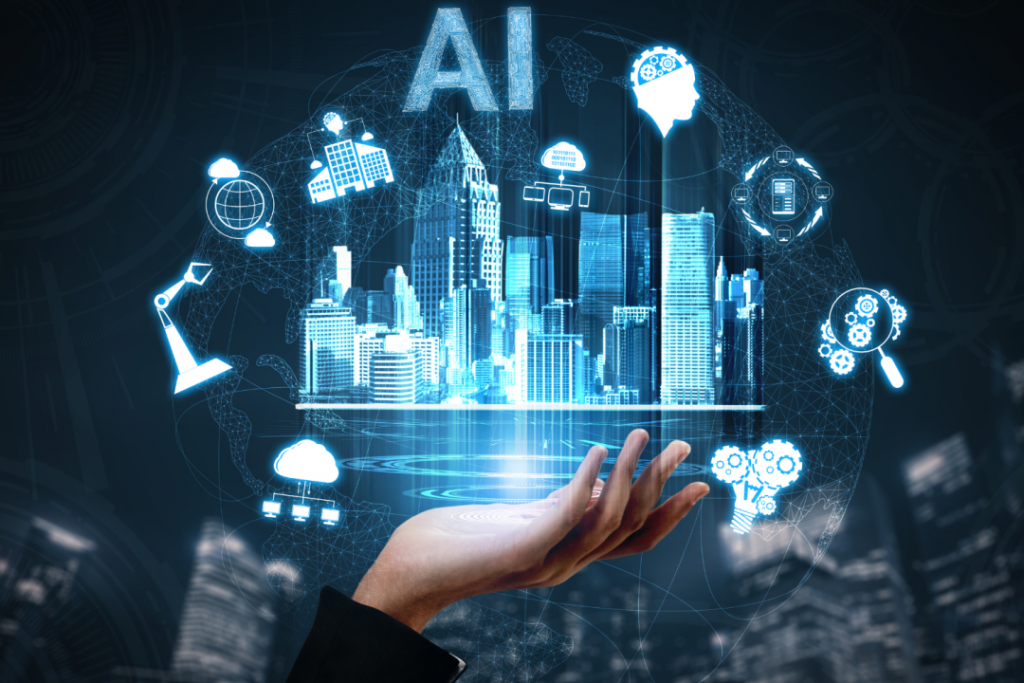
Workplace safety and regulatory compliance have always been top priorities for facility managers. However, ensuring a safe and compliant work environment is becoming increasingly complex as facilities grow larger, more automated, and more data-driven. That’s where AI safety in facility management comes into play. Artificial Intelligence (AI) is transforming how organizations monitor safety risks, manage