 BLOG
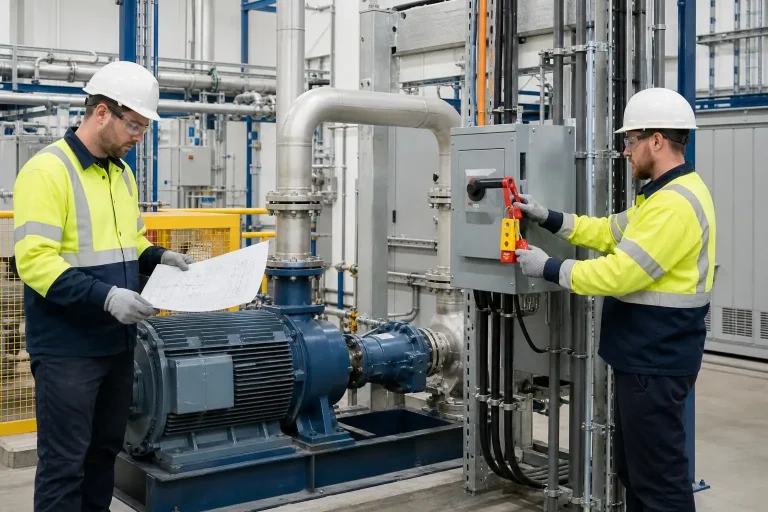
BLOG Management of Change in Facilities: A Practical Workflow for Safe Maintenance Work
Learn what management of change is and how industrial facilities can review, approve, communicate and verify safer maintenance changes.
View Article > 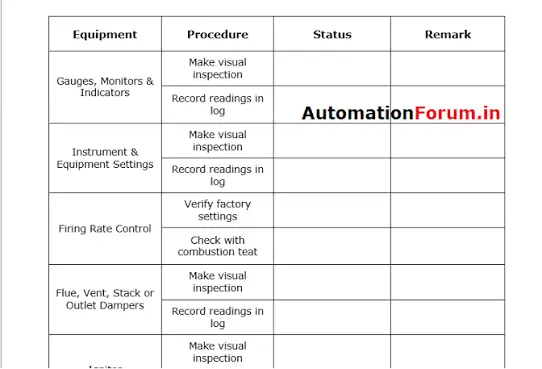 BLOG
BLOG Boiler Maintenance Checklist: What to Inspect and How Often
Most boilers run for years without drama, which is exactly why they get neglected. The checklist lives in a binder, the log book has a gap or two, and everyone assumes the safety devices are working because the boiler is. That assumption is where the risk sits. A boiler stores a large amount of energy
View Article > 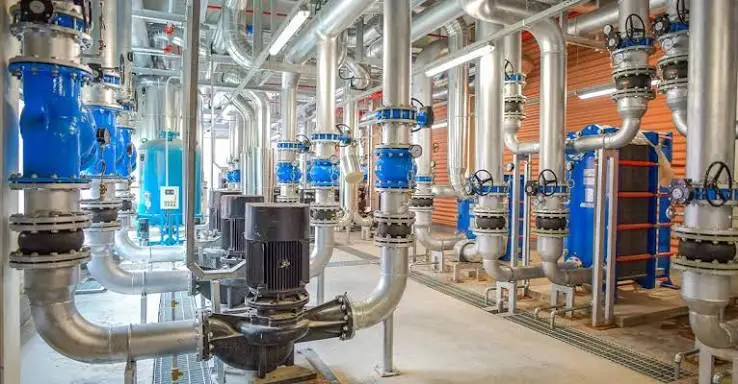 BLOG
BLOG Chiller Maintenance: A Complete Guide and Checklist
A chiller is usually the largest single energy user and one of the most expensive pieces of plant in a building. It is also one of the least forgiving. When a chiller goes down on a hot afternoon, there is no quick workaround: occupants get uncomfortable, process loads overheat, and the repair bill arrives with
View Article > 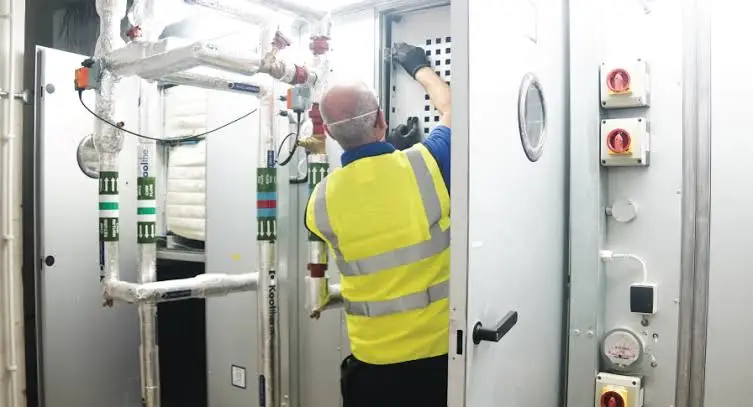 BLOG
BLOG Air Handling Unit (AHU) Maintenance: A Complete Checklist
Air handling units rarely get attention when they are working. They sit on rooftops and in plant rooms, quietly moving, filtering, heating, and cooling the air that every occupant breathes. It is only when a belt snaps, a drain pan overflows onto a ceiling, or a coil freezes that someone remembers they exist. Good air
View Article >  BLOG
BLOG Equipment Reliability Metrics for Facility Teams: MTBF, MTTR, Availability and OEE
Learn how facility teams calculate MTBF, MTTR, availability and OEE to prioritise maintenance, reduce downtime and improve equipment reliability.
View Article >  BLOG
BLOG PLC vs BMS Data: Getting Real-Time Asset Data into Your CMMS
Somewhere in your building, a controller already knows that a pump is vibrating more than it did last month, that a chiller’s approach temperature is creeping up, and that an air handler’s filter is clogged. It knows because it is measuring those things every few seconds. Meanwhile, your maintenance team finds out about the same
View Article >  BLOG
BLOG OEE for Facilities? Why Uptime Metrics Matter Beyond the Factory Floor
Ask a manufacturing engineer how a production line is doing and you will get a number: its OEE. Ask most facilities teams how the chillers, air handlers, and pumps are doing and you will get a story. “They’ve been okay.” “We had a rough August.” “The east wing is always a problem.” Stories are useful,
View Article > 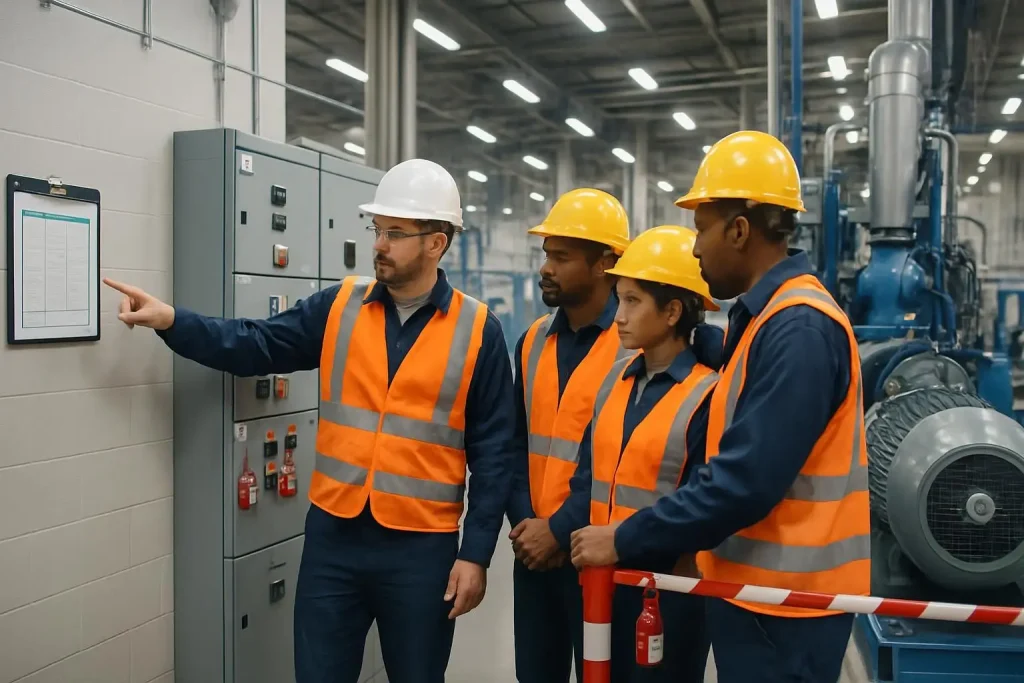 BLOG
BLOG Toolbox Meeting Topics for Maintenance and Facilities Teams: A Practical Safety Agenda
Use this practical toolbox meeting agenda to brief maintenance crews, record attendance, manage hazards, and track safety actions.
View Article > 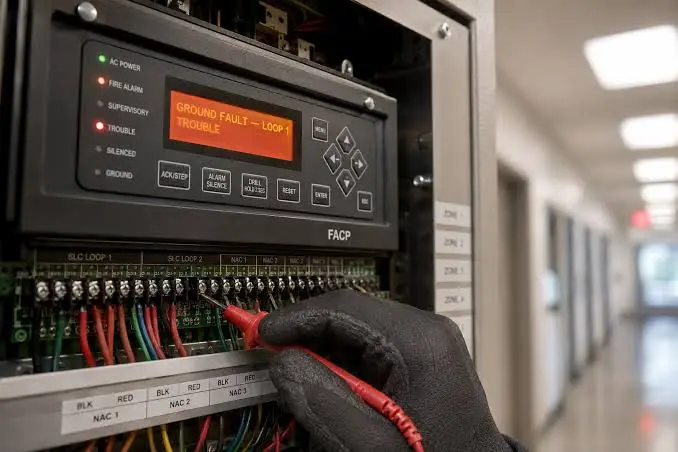 BLOG
BLOG Fire Alarm Panel Trouble Codes: What Facilities Teams Need to Know
It is 7 AM. A yellow light is glowing on the fire alarm panel and a small buzzer is chirping every few seconds. Nobody is evacuating, nothing is on fire, but everyone who walks past asks the same question: “Is that something we should worry about?” The answer is yes, though not in the way
View Article > 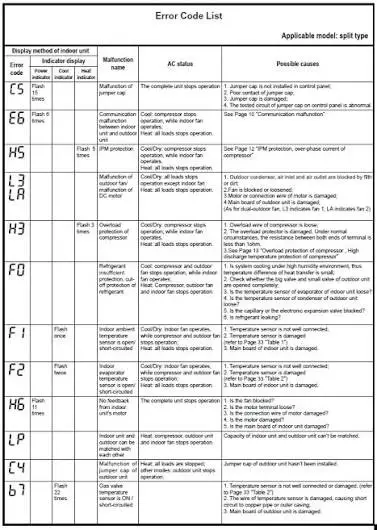 BLOG
BLOG Chiller Fault Codes: A Facilities Manager’s Troubleshooting Guide
The call usually comes at the worst moment: a hot afternoon, a full building, and a chiller display showing a code nobody on shift recognises. Someone presses reset. It runs for ten minutes and trips again. By the time a contractor arrives, the original fault has been cleared and re-triggered so many times that the
View Article > 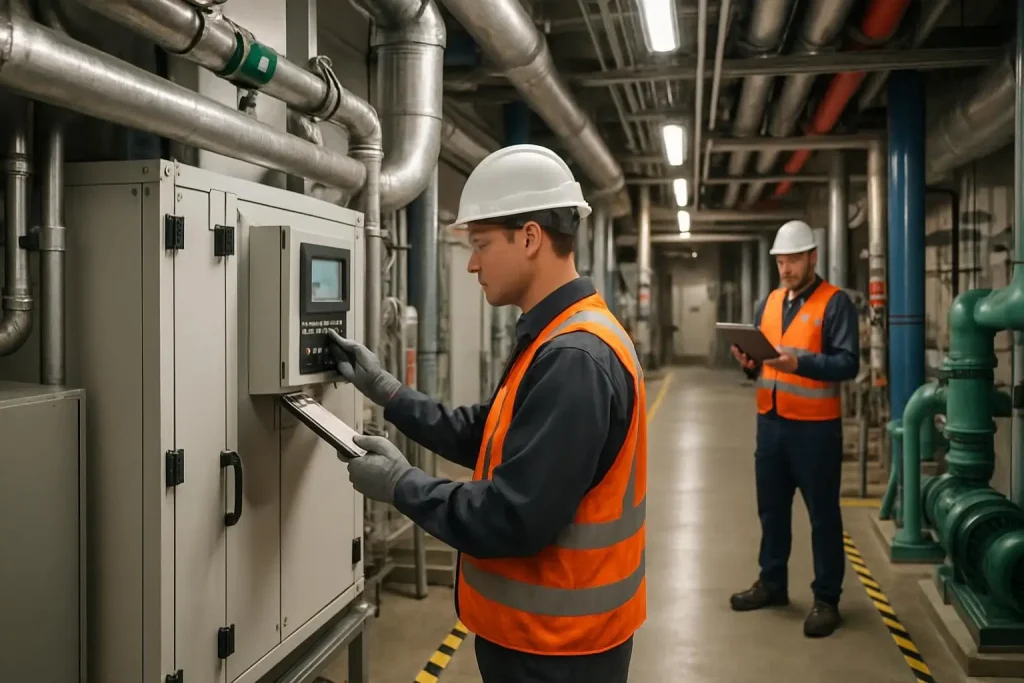 BLOG
BLOG Standard Operating Procedure Template for Facilities: Format, Examples and Digital Approval Workflow
Use this facilities SOP template to standardise inspections, maintenance and approvals, then turn procedures into auditable digital checklists.
View Article > 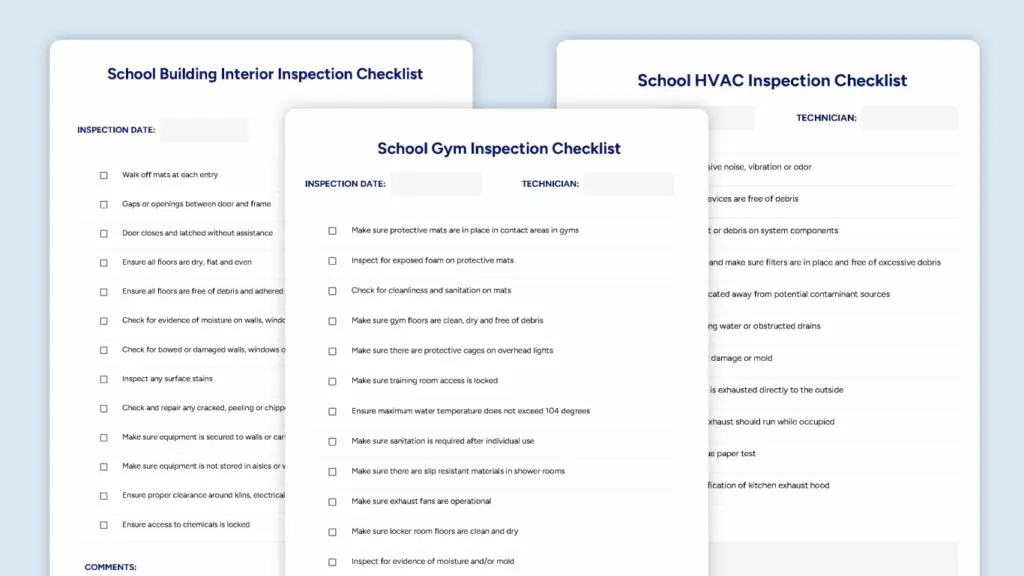 BLOG
BLOG School Building Maintenance Checklist: What to Include
Most school facilities teams have a checklist somewhere. It might be a laminated sheet on a clipboard, a spreadsheet inherited from a former colleague, or a PDF downloaded years ago. The problem is rarely that no checklist exists. The problem is that nobody is sure it covers the right things, at the right frequency, with
View Article > 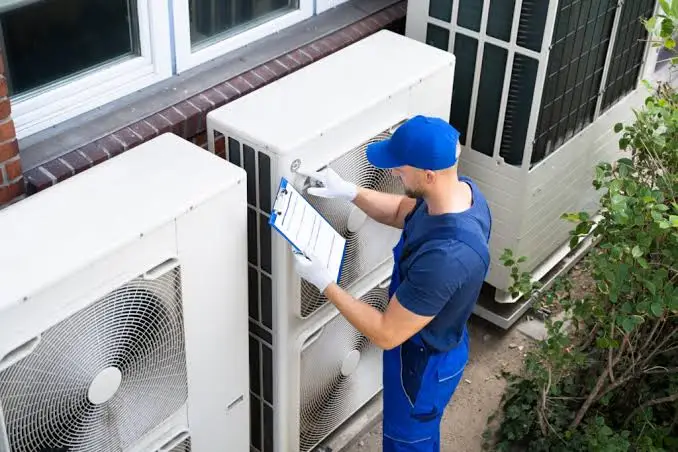 BLOG
BLOG Creating a Preventive Maintenance Plan for K-12 Schools
Ask a district facilities director what keeps them up at night and the answer is rarely one dramatic failure. It is the slow pile-up of small things: a filter change pushed back a month, a fire alarm test logged on paper and then lost, a roof drain nobody checked before the autumn rain. Each one
View Article > 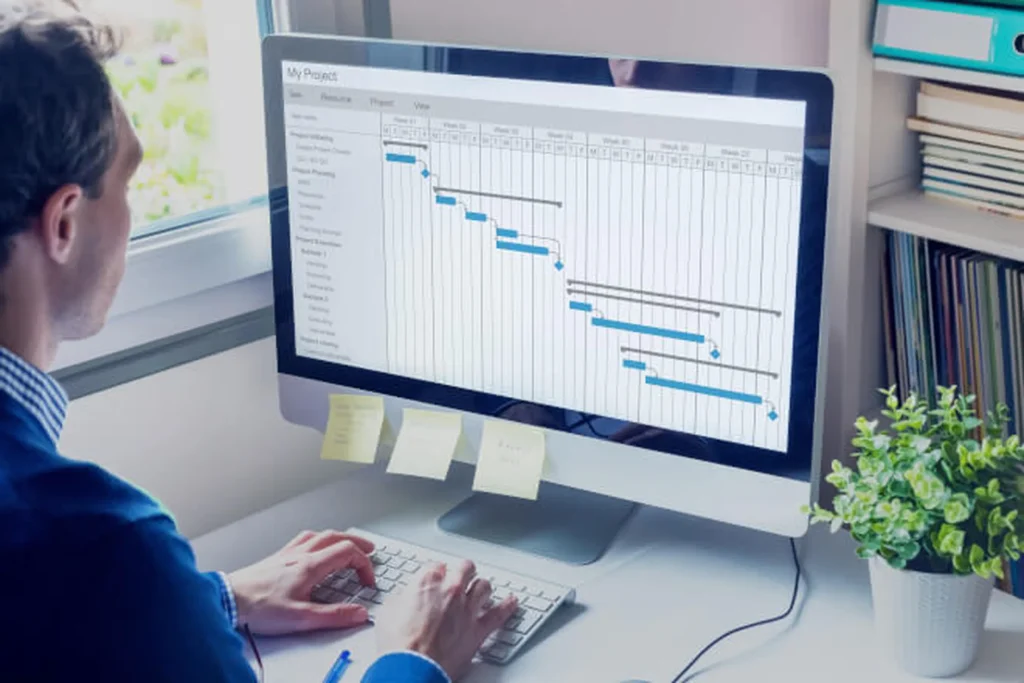 BLOG
BLOG How to Build a Preventive Maintenance Schedule for Schools
A school building has to work on the first day of term, whatever happened over the summer. The cooling system that was “mostly fine” in June has to run through September heat. The fire alarm has to pass its inspection with paperwork to show for it. The hot water has to reach 120°F, and the
View Article >  BLOG
BLOG FMEA for Facility Assets: Using Failure Mode and Effects Analysis to Improve Preventive Maintenance
Learn how facility teams use FMEA to identify asset risks, create inspection tasks, and prioritise preventive maintenance work orders.
View Article > 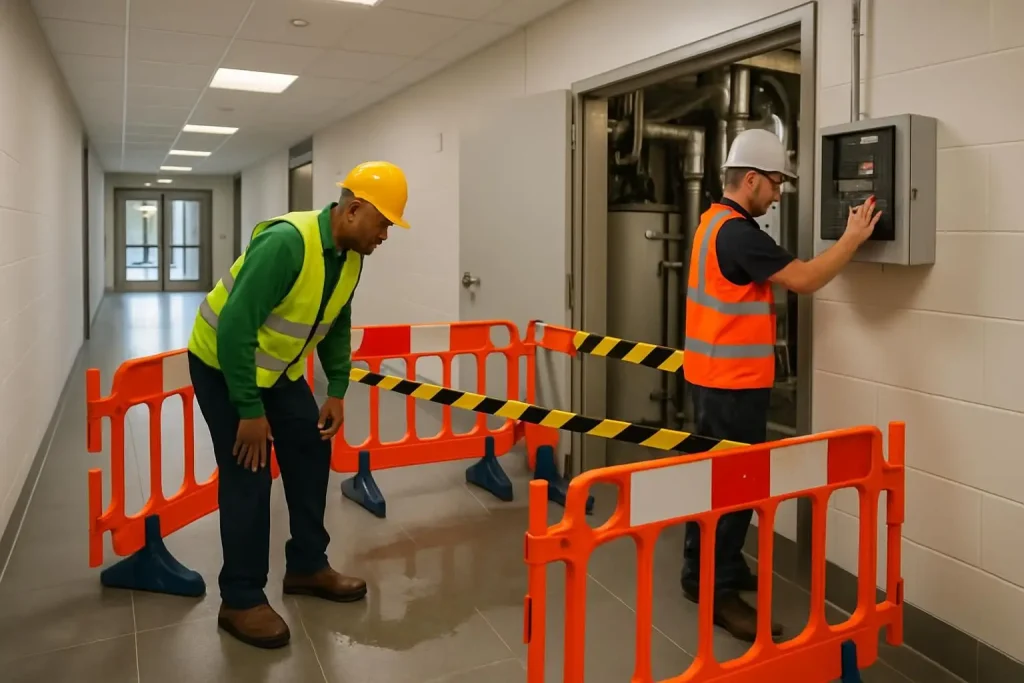 BLOG
BLOG Workplace Safety and Health (WSH): Identifying Unsafe Acts and Unsafe Conditions in Facility Operations
Learn the WSH meaning, how to identify unsafe acts and unsafe conditions, and how facility teams can report, correct, and track hazards.
View Article >  BLOG
BLOG Good Manufacturing Practice (GMP) Facility Inspections: Digital Checklists for Audit-Ready Operations
Learn how digital GMP inspection checklists, CAPA workflows, and audit trails help manufacturing facilities create audit-ready operations.
View Article > 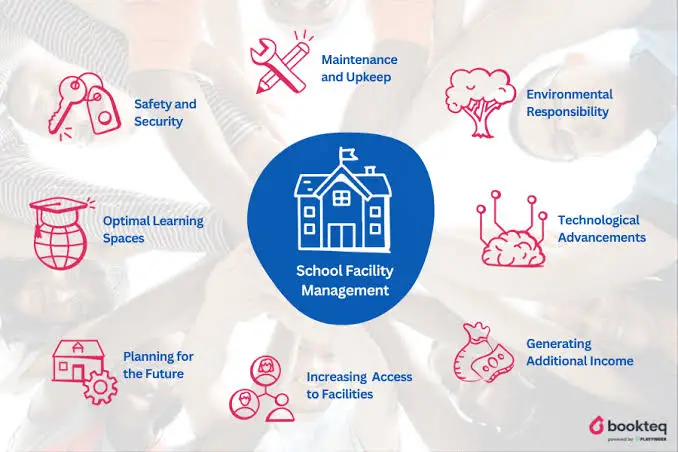 BLOG
BLOG Educational Facility Maintenance: Common Challenges and Solutions
Walk through almost any school, college, or university campus and you’ll find the same quiet tension: buildings that need constant attention, and teams that never have quite enough budget, staff, or hours to give it to them. Educational facility maintenance sits at the center of that tension, because a campus is not just real estate.
View Article > 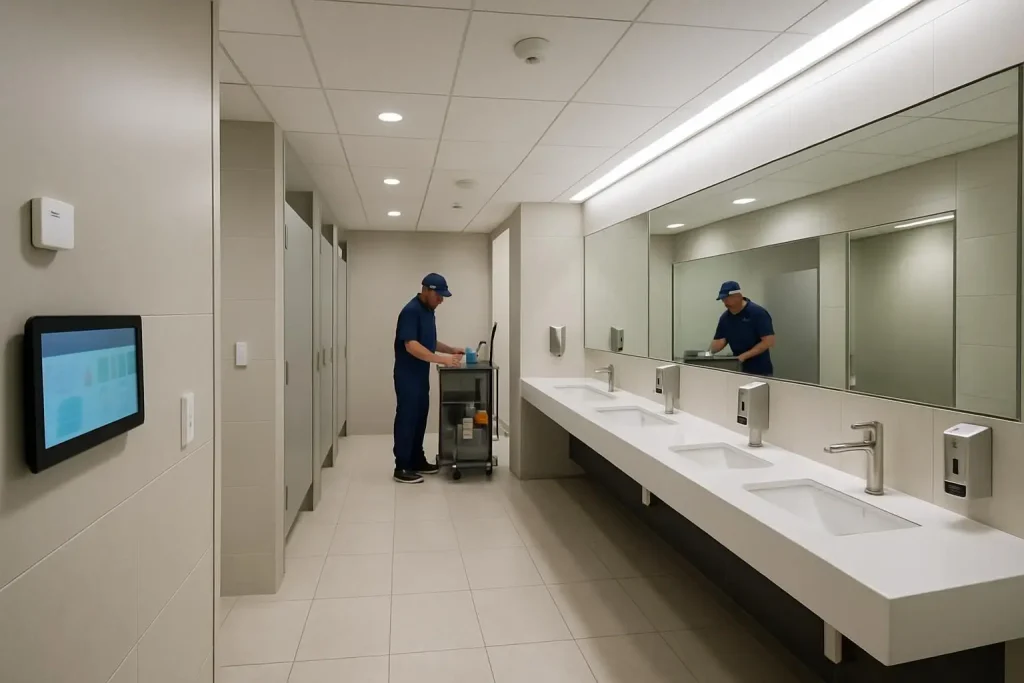 BLOG
BLOG Smart Toilet Management System: From IoT Sensor Alerts to Cleaning Work Orders
Learn how smart toilet sensors trigger, route, evidence and report washroom cleaning work orders with an IoT smart toilet management system.
View Article >  BLOG
BLOG e-PTW and e-Permit: A Digital Permit-to-Work Guide for Safer Operations
Learn how e-PTW and e-Permit workflows improve risk controls, approvals, audit trails, and contractor safety in industrial facilities.
View Article >  BLOG
BLOG Facility Maintenance for Private Schools: A Complete Guide
Parents at a private school are paying for more than instruction. They are paying for an environment: a warm classroom in January, a gym floor without soft spots, a science lab that passes inspection, and a campus that looks cared for on tour day. Because of that, private school facility maintenance is closely tied to
View Article >