

Every facilities management operation has a list of tasks that should have been done but were not. A preventive maintenance inspection that slipped past its due date because the coordinator was handling an emergency and the reminder never got sent. A statutory compliance check that was not scheduled in time because the deadline date was recorded in a spreadsheet that nobody reviewed at the critical moment. A contractor follow-up that never happened because the facilities manager assumed someone else was handling it. A tenant service request that sat unacknowledged for half a day because the morning was consumed by an unplanned equipment failure that demanded everyone’s attention.
These are not failures of competence or commitment. They are the predictable outcomes of a task management approach that relies on human memory, manual calendar systems, and informal reminder processes to track an operational workload that has grown too large and too complex for those tools to support reliably. In a facilities management operation managing dozens of assets, hundreds of work orders, multiple contractors, and a continuous compliance calendar across a complex built environment, the cognitive load of remembering everything that needs to happen — and when — exceeds what any individual or team can sustain without systematic support.
Automated reminders in Integrated Workplace Management System IWMS software provide that systematic support. FacilityBot, Singapore’s best facility management system, embeds automated reminder capabilities throughout the facilities management workflow — ensuring that every task, every deadline, and every follow-up receives the timely notification it requires to be completed on schedule, without depending on human memory to initiate the prompt.
The Hidden Cost of Missed Tasks in Facilities Management
The consequences of missed tasks in facilities management are often invisible until they become serious. A preventive maintenance task missed once rarely causes immediate failure. The asset continues to function, apparently normally, while the degradation that regular servicing would have caught or reversed accumulates silently. By the time the failure occurs — weeks or months later — the connection to the missed maintenance event is difficult to establish, and the opportunity to prevent the failure has long passed.
Compliance tasks missed have a different but equally serious consequence profile. Singapore’s regulatory framework for building maintenance is comprehensive and actively enforced. Statutory inspections of lifts, fire suppression systems, electrical installations, and pressure vessels must be completed within defined windows and documented to prescribed standards. Missing a compliance deadline does not merely create an administrative problem — it creates regulatory exposure, potential liability, and in serious cases the risk of enforcement action that can disrupt building operations.

Contractor follow-up tasks missed allow performance standards to slip without correction. A contractor who completes a job without submitting the required documentation, or who misses a scheduled visit without notification, faces no consequence in an operation where the follow-up that would identify and address the failure never occurs. Over time, unaddressed performance gaps compound into patterns of contractor underperformance that erode the quality of the entire maintenance programme.
The cumulative cost of these missed tasks — in premature asset failures, compliance penalties, contractor performance degradation, and the management time required to address the crises that result — far exceeds the investment in the automated reminder system that would have prevented them.
How Automated Reminders Work in FacilityBot
FacilityBot’s automated reminder system operates on a straightforward but powerful principle: every task in the system that has a deadline, a due date, or a follow-up requirement generates automatic notifications to the relevant parties at configured intervals before and after the critical date — without requiring any human action to initiate the reminder.
The reminder logic is configured by the facility manager to reflect the specific operational requirements of their organisation and building. Different task categories can have different reminder schedules — a statutory compliance inspection might generate reminders at 30 days, 14 days, seven days, and 48 hours before the deadline, reflecting the lead time required to schedule and complete the required work. A routine preventive maintenance task might generate a single reminder seven days before the due date, sufficient for a job that can be scheduled and completed within a short timeframe. A contractor follow-up might generate a reminder 24 hours after the job completion deadline if no completion confirmation has been received.
These reminders are delivered through the communication channels configured for each recipient — email for detailed compliance reminders that need to be forwarded to contractors and retained as documentation, SMS for time-sensitive operational reminders that require immediate attention, and in-app notifications for the daily task management reminders that keep the maintenance team organised and on schedule.
Never Missing a Preventive Maintenance Window
Preventive maintenance is the area of facilities management where missed tasks have the most directly traceable financial consequences. Assets that are serviced consistently on schedule perform reliably, consume less energy, and last longer than their neglected equivalents. The return on investment from a rigorous preventive maintenance programme is well established — and the return disappears rapidly when the programme is inconsistently followed because reminders fail and tasks are missed.
FacilityBot’s automated reminder system makes preventive maintenance schedule adherence a structural outcome rather than a management aspiration. When a preventive maintenance task is configured in the system — specifying the asset, the required service, the interval, and the responsible technician or contractor — the platform manages the reminder lifecycle automatically from that point forward.
The technician responsible for the task receives a reminder notification at the configured lead time before the due date. If the task is not commenced within the expected window, a follow-up reminder goes to their supervisor. If it remains uncompleted past the due date, an escalation alert notifies the facilities manager. At every stage, the reminder is generated automatically by the system — not by a coordinator who must remember to send it amid the competing demands of a busy operation.
The result is a preventive maintenance programme that runs at the schedule adherence rate it was designed for — not at the reduced rate that manual reminder systems inevitably produce as tasks slip through the gaps that human attention leaves.
Compliance Reminders That Eliminate Deadline Risk
Compliance deadline management is a domain where the consequences of missed reminders are particularly severe and where the complexity of the compliance calendar makes manual tracking unreliable at scale.
A large commercial building in Singapore may have dozens of regulated assets — each with its own inspection schedule, certification renewal requirement, and documentation standard. Tracking all of these deadlines manually, ensuring that contractors are engaged with sufficient lead time to complete the required work, and assembling the documentation needed for regulatory audit is a significant ongoing administrative burden that divides facility manager attention between the operational and compliance dimensions of their role.
FacilityBot’s compliance reminder system eliminates this burden by treating every compliance deadline in the asset register as a reminder trigger. Inspection due dates, certification renewal dates, and statutory submission deadlines all generate automatic reminder sequences at configurable lead times — notifying the facilities manager, the responsible contractor, and any other relevant parties with sufficient advance notice to schedule and complete the required work before the window closes.
The reminder records maintained by FacilityBot also serve a documentation function that manual reminder systems cannot provide. When a regulatory inspector questions whether a compliance deadline was managed appropriately, the system can demonstrate not only that the required work was completed but that reminders were sent at the appropriate intervals, that the responsible parties were notified, and that the response to those notifications was documented. This audit trail of the reminder and response process provides a level of compliance process transparency that manual systems are structurally unable to produce.
Contractor and Vendor Reminders That Maintain External Accountability
Managing contractor performance is one of the persistent challenges in facilities management — and one where automated reminders deliver particularly clear operational value by extending the system’s accountability mechanisms beyond the internal team to the external contractor network.
In a manual operation, contractor follow-up depends on the facilities team remembering to check whether scheduled jobs have been completed, whether required documentation has been submitted, and whether certification renewals are approaching. This manual follow-up is time-consuming when it happens and entirely absent when the team is occupied with operational priorities.
FacilityBot automates contractor reminders throughout the job lifecycle. Contractors receive automatic reminders ahead of scheduled job dates, ensuring that they have confirmed the appointment and are prepared for the work. Reminder notifications prompt documentation submission when a job is marked complete without the required paperwork being attached. Certification and insurance renewal reminders notify contractors and facilities managers simultaneously when credentials are approaching expiry — eliminating the risk of inadvertently continuing to engage a contractor whose qualifications have lapsed.
These automated contractor reminders create a systematic accountability structure that operates continuously without consuming facilities team time — holding external partners to the same standards of timeliness and documentation that the automated system enforces for the internal team.
Reminders That Support the Entire FM Team
The value of automated reminders in FacilityBot extends beyond the prevention of missed tasks. Reminders support the entire facilities management team by reducing the cognitive load of tracking a complex operational workload — freeing mental bandwidth for the judgement-intensive work that genuinely requires human expertise.
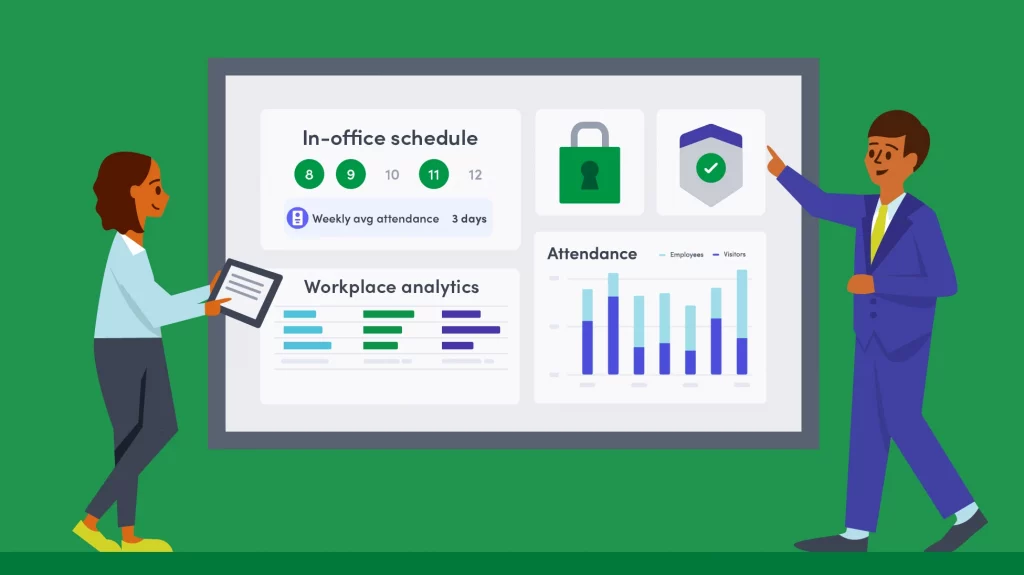
A facilities coordinator who does not need to maintain a mental model of every upcoming task across their work order portfolio can focus more fully on the quality of the coordination decisions they do make. A facilities manager who does not need to personally monitor compliance deadlines can direct their strategic attention toward asset planning, sustainability performance, and stakeholder relationships. A maintenance technician who receives timely, accurate reminders for their scheduled tasks can plan their working day more effectively and arrive at each job better prepared.
The cultural effect of reliable automated reminders — the confidence that nothing critical will be missed because the system is always watching the schedule — is itself operationally valuable. Teams that trust their reminder system work with less anxiety and greater focus than those who carry the constant low-level concern that something important might be slipping through the gaps.
The Operational Standard That Automated Reminders Enable
In Singapore’s demanding facilities management environment, the operational standard that building owners, tenants, and regulators expect is one where tasks are completed on schedule, compliance deadlines are met consistently, and no maintenance requirement falls through the cracks due to administrative oversight.
Meeting that standard manually, across the full complexity of a modern facility operation, is not reliably achievable — not because FM teams lack capability, but because the cognitive and administrative demands of manual task tracking at scale exceed what human systems can sustain consistently.
FacilityBot’s automated reminder capabilities make that standard achievable by removing the dependency on human memory and manual calendar management from the task tracking process. Every task is watched. Every deadline is monitored. Every follow-up is prompted. And every team member receives the information they need, at the time they need it, to ensure that nothing is ever missed.
