
Every missed inspection, delayed repair, and manual paper trail has a price tag. For facilities and maintenance teams still relying on spreadsheets, whiteboards, or sticky notes, that price tag adds up fast — in wasted labor hours, emergency repair bills, and equipment that fails long before its time.
That’s the gap work order management software is built to close. Heading into 2026, more organizations are treating it less as a “nice to have” and more as a core piece of financial infrastructure — one with a measurable, trackable return.
This article breaks down exactly what kind of ROI to expect from work order management software in 2026, how to calculate it for your own operation, and what separates the best work order management software from tools that just digitize the same old chaos.
Why Work Order Management Software ROI Matters More in 2026
Facilities budgets are under more scrutiny than ever. Finance teams want proof that a new software line item pays for itself, not just a promise that “things will run smoother.” At the same time, labor shortages and rising vendor costs mean every hour a technician spends chasing paperwork instead of doing repairs is an hour of margin lost.

Work order management software addresses both pressures directly. It replaces manual dispatching, tracking, and reporting with automated workflows — and because those workflows generate data, the resulting savings are measurable, not anecdotal. That’s what makes the ROI conversation different in 2026: teams aren’t just adopting software, they’re expected to prove its value in dollars.
The Core Financial Benefits of Work Order Management Software
Most organizations that implement work order management software see returns show up in four main areas.
1. Labor Efficiency
Manual work order processes eat up hours that could otherwise go toward actual repairs. Automating job preparation, technician assignment, and status updates typically saves 20% to 30% of work preparation time, freeing technicians to complete more tasks per day without adding headcount.
2. Downtime Reduction
Unplanned equipment failures are one of the most expensive line items in any facilities budget. By shifting maintenance from reactive to preventive, organizations using work order management software commonly see unplanned failures drop by 10% to 42% — which also means fewer emergency repair invoices and after-hours labor charges.
3. Inventory Control
Without visibility into usage patterns, most facilities teams overstock spare parts “just in case.” Centralized work order data gives teams the insight to right-size inventory, typically cutting excess parts and materials spend by 10% to 20%.
4. Extended Asset Lifespan
Consistent, scheduled preventive maintenance — triggered automatically by the software rather than left to memory — can extend the useful life of machinery and facility components by up to 50%. That delays capital expenditure on replacement equipment, which is often the single largest line item in a facilities budget.
Payback Timeline: How Fast Is ROI Realized?
One of the most common questions facilities leaders ask before buying is: how long until this pays for itself?
For most organizations, the answer is 6 to 12 months. That timeline depends on a few variables:
| Factor | Impact on Payback Speed |
|---|---|
| Number of technicians/locations | More users = faster aggregate labor savings |
| Frequency of emergency repairs today | Higher current downtime = faster visible ROI |
| Quality of implementation and training | Poor adoption slows every other benefit |
| Complexity of existing processes | More manual steps eliminated = bigger early wins |
Organizations replacing especially chaotic manual processes (paper work orders, spreadsheets, group texts) tend to see returns fastest, simply because the “before” baseline is so inefficient.
How to Calculate Your Own Work Order Management Software ROI
You don’t need a finance degree to build a credible ROI estimate. The formula is straightforward:
ROI (%) = [(Total Savings − Total Software Cost) ÷ Total Software Cost] × 100
Step 1: Add Up Your Total Investment (Costs)
- Subscription or licensing fees
- Setup and integration costs
- Staff training time
- Mobile devices or hardware, if needed
Step 2: Add Up Your Total Return (Savings)
- Labor hours saved through automation
- Emergency repair and overtime costs avoided
- Reduced spend on wasted or excess inventory
- Downtime and production-loss penalties avoided
Step 3: Plug in the Numbers
Once you have both totals, the formula above gives you a percentage you can bring straight to leadership — with real numbers behind it instead of a general pitch.
What to Look for in the Best Work Order Management Software
Not all platforms deliver these returns equally. When evaluating the best work order management software for your organization, prioritize:
- Automated scheduling and dispatch — so preventive maintenance happens without someone remembering to trigger it
- Mobile access for technicians — to cut down on paperwork and double data entry
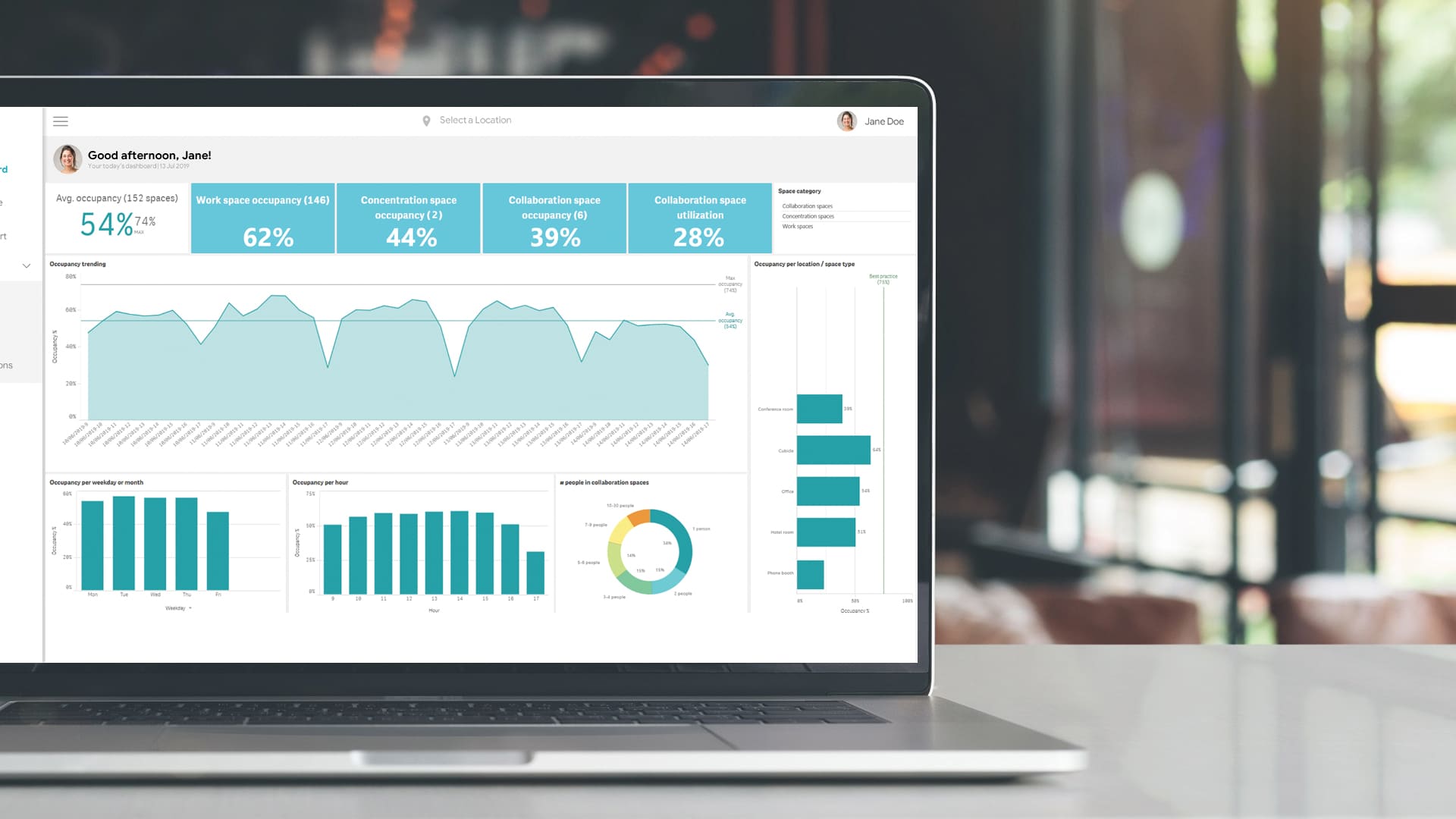
- Real-time reporting and dashboards — so ROI is visible, not just assumed
- Preventive maintenance workflows — the foundation of extended asset lifespan
- Scalability — the system should work whether you manage one site or hundreds
- Straightforward integration — with your existing CMMS, accounting, or building systems
A platform that checks these boxes tends to deliver ROI faster and more predictably than one that simply digitizes an existing paper process without rethinking the workflow behind it.
Estimate Your Own Numbers
If you want a rough sense of what this could mean for your team, three inputs get you most of the way there:
- How many technicians or workers you have
- How often emergency breakdowns happen
- Your estimated monthly software budget
Plugging those into the labor, downtime, and inventory benchmarks above will give you a realistic starting estimate before you even request a demo.
How FacilityBot Helps You Capture This ROI
FacilityBot is a cloud-based work order management and CMMS software platform built to deliver these returns in practice, not just in theory. With automated work order creation, technician dispatch, and preventive maintenance scheduling, FacilityBot helps facilities teams cut manual admin work, reduce emergency repairs, and extend asset lifespans — all backed by real-time reporting so you can track ROI as it happens, not just estimate it after the fact. Whether you’re managing a single site or a multi-location portfolio, FacilityBot’s CMMS software is built to scale with you, turning work order management from a cost center into a measurable source of savings.